
It was finally time to turn around and drive back to Europe. We were very glad that we managed to reach The Gambia with our two electric cars without any serious problems. But a lot of things could still go wrong on our way back.
After leaving the Bridge Hotel, we had another border crossing ahead of us. Luckily, getting out of The Gambia and into Senegal was rather easy. It took us alltogether about 2 hours. The only problem was that at the border, we and our cars were always surrounded by dozens of kids. They were asking for gifts all the time and kept zero distance. It was again a bit stressful. As you probably remember from my previous posts, I have stickers on my car with flags from every country where I have been so far. When we were at immigration with our papers, the kids even removed all my flag stickers from my car.
After the border crossing, we drove to Lac Rose, where we spent the night and also charged our cars. The next day, we continued to the Zebrabar near Saint-Louis.
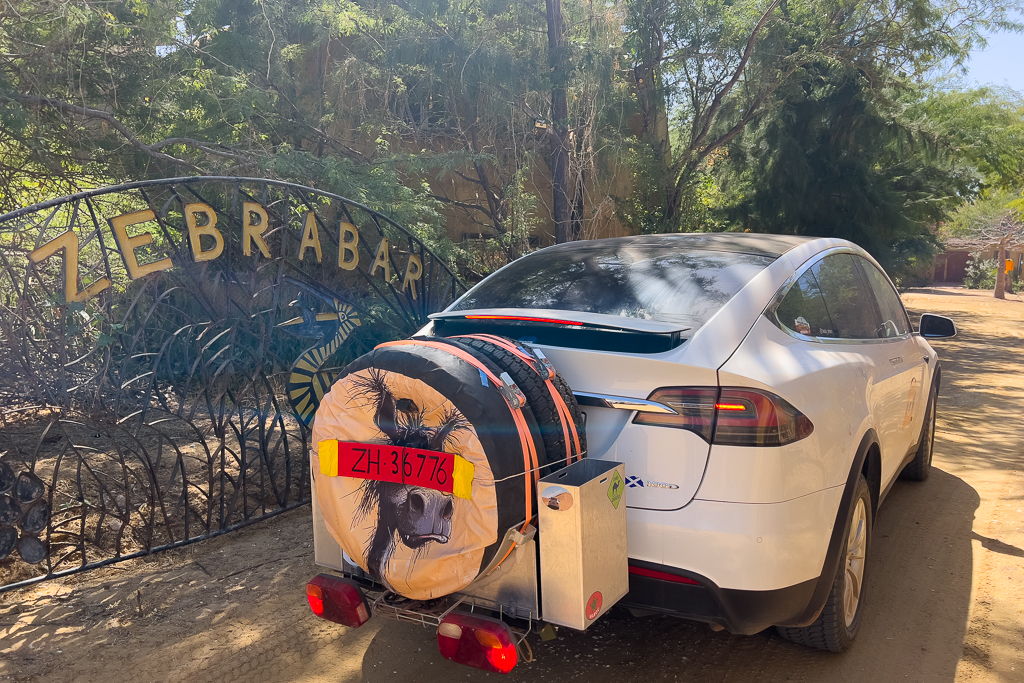
Since we had planned to stay only one night at the Zebrabar, we had to use the 32A CEE plug that Ayoub installed next to the entrance gate to charge our cars.
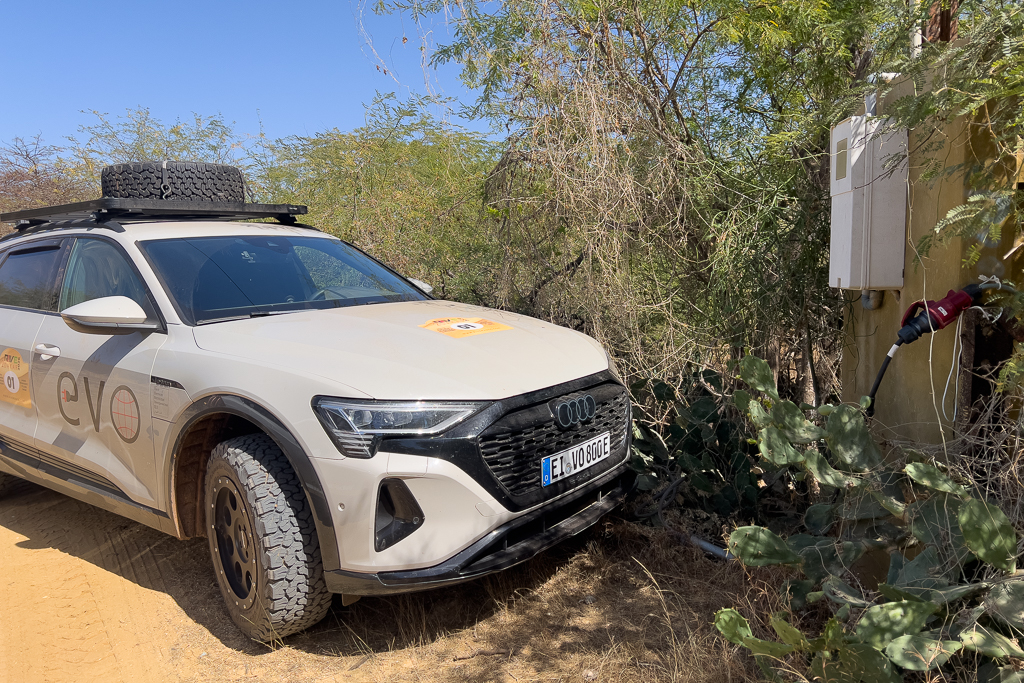
There was just enough space for one car without completely blocking the entrance to the Zebrabar. We therefore needed to take turns charging our cars.
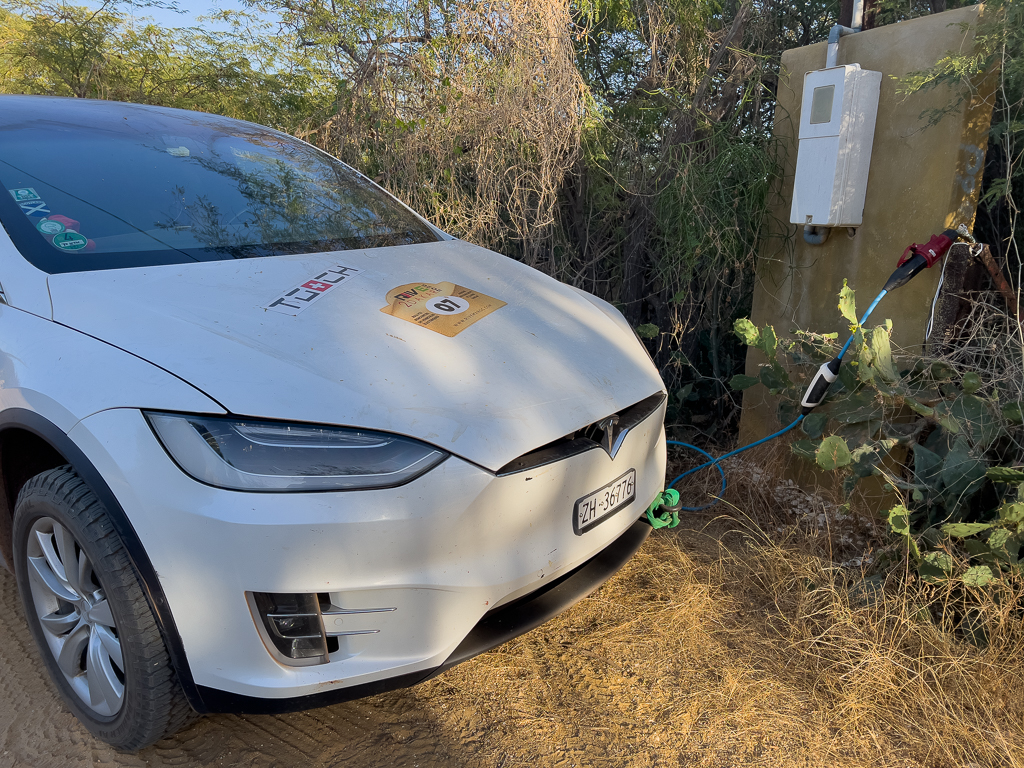
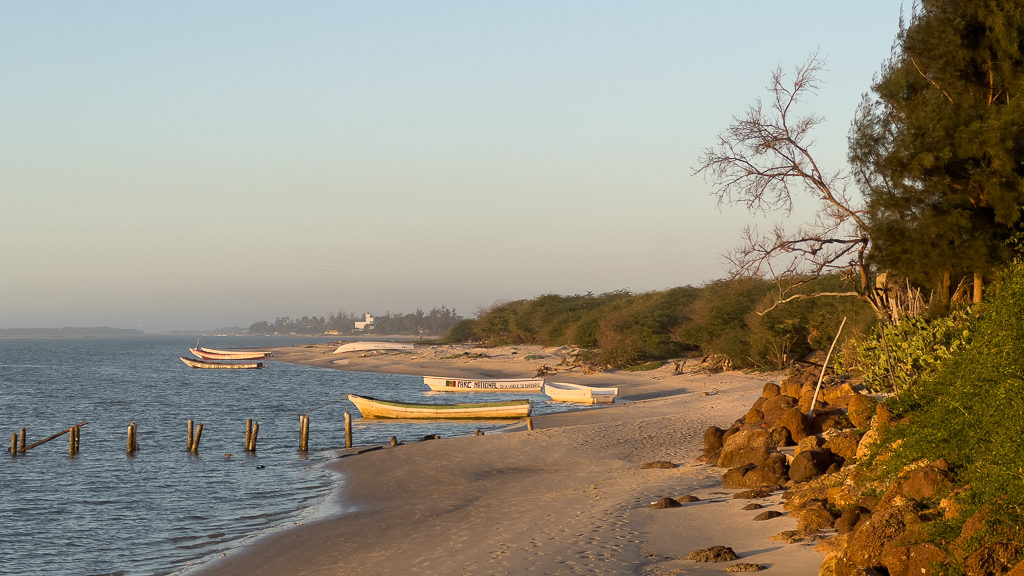
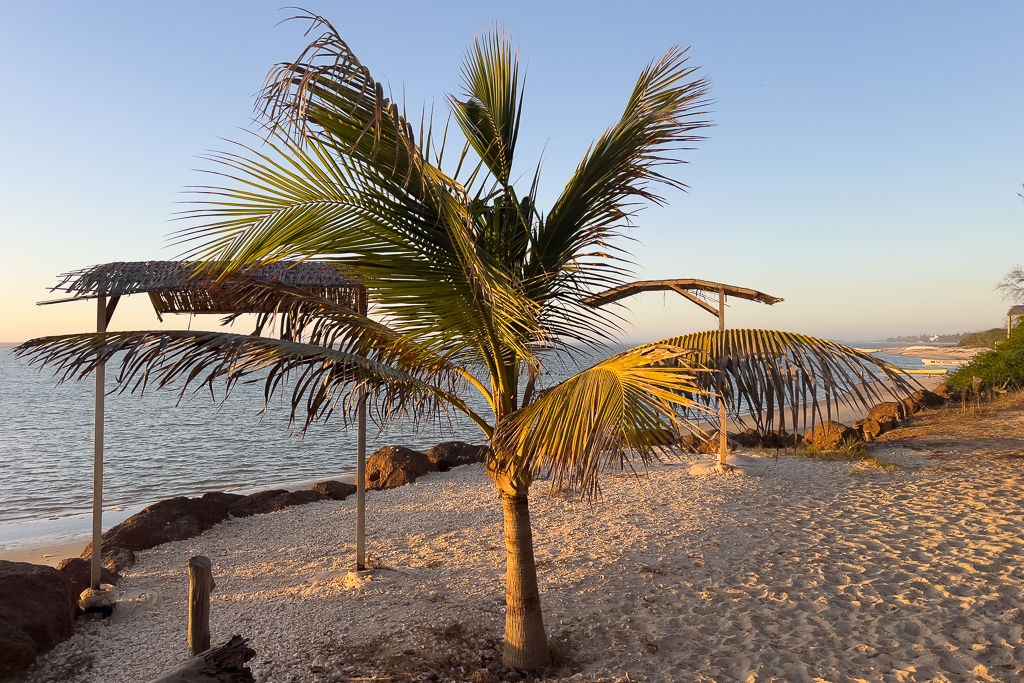
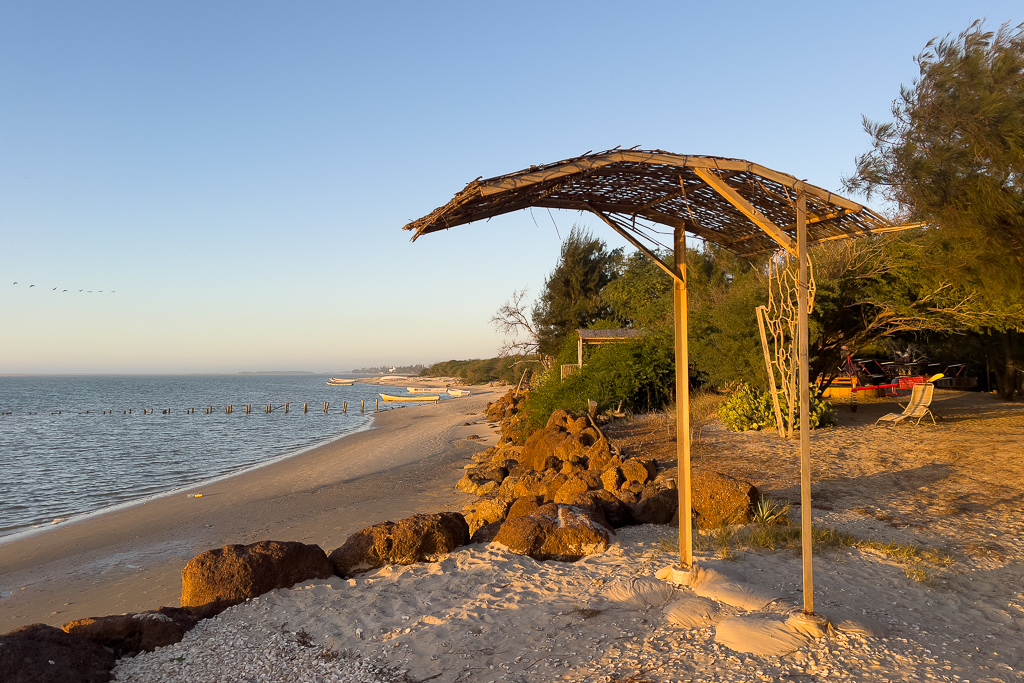
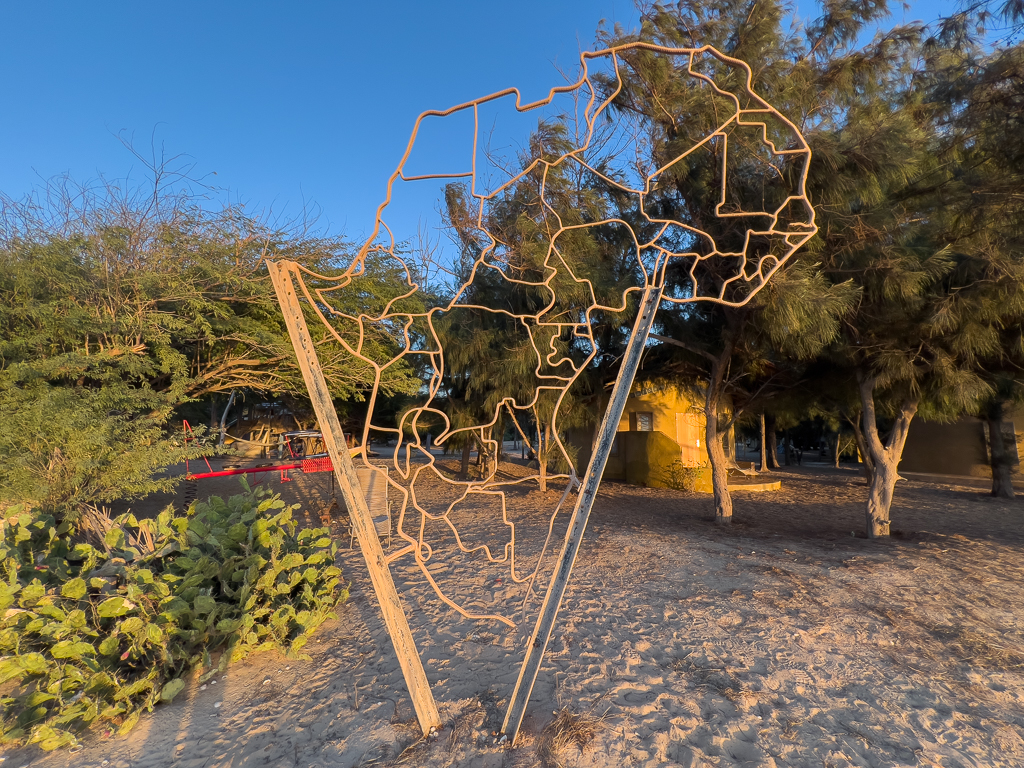
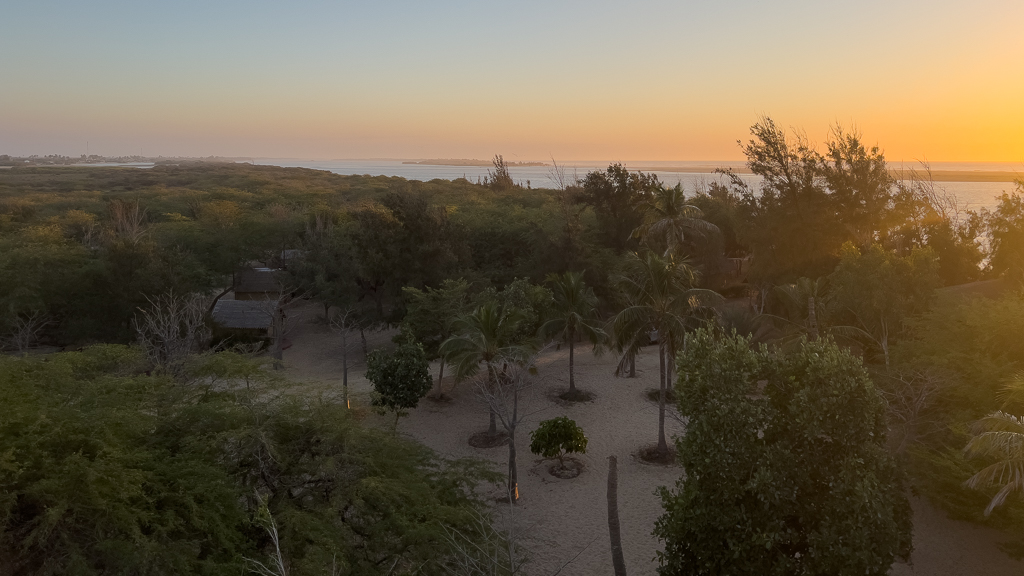
In the meantime, we used the afternoon for relaxing and mentally preparing for another potentially stressful border crossing. The Zebrabar is a perfect place for this.
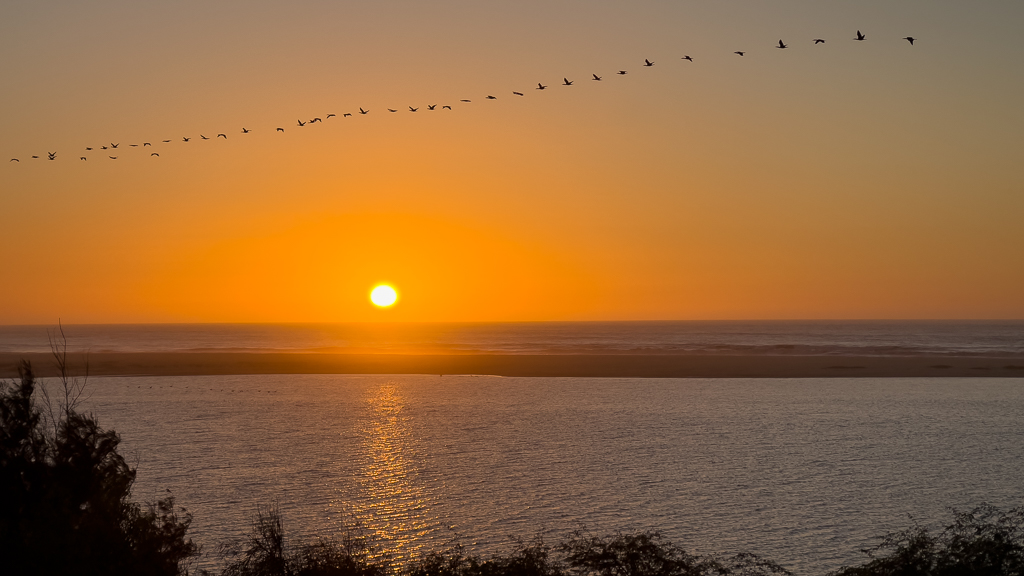
The next day, we wanted to use the Diama border again to get from Senegal to Mauritania. We heard that the Budapest-Bamako Rallye, with more than 350 vehicles and over 800 people, would also use this same border on the same day. If we were to arrive there at the same time as the 800 people of the rallye, we would probably have to wait there forever. Since they were coming from Nouakchott, we estimated that they would not be there before noon, even if they started early. Nevertheless, we decided to be early at the border to reduce the risk of getting stuck there. We arrived there around 9:15. Soon after, the first Rallye cars were also arriving from the other side, but luckily, the main pack was still a couple of hours away from the border.
In total, the border crossing took us about 3 hours. We didn’t encounter any big problems at the border, just the Mauritanian immigration counter was extremely chaotic. It was a very small room, and people and fixers were always trying to push in front.
Just as we left the border, large groups of the Budapest-Bamaka Rallye teams approached.
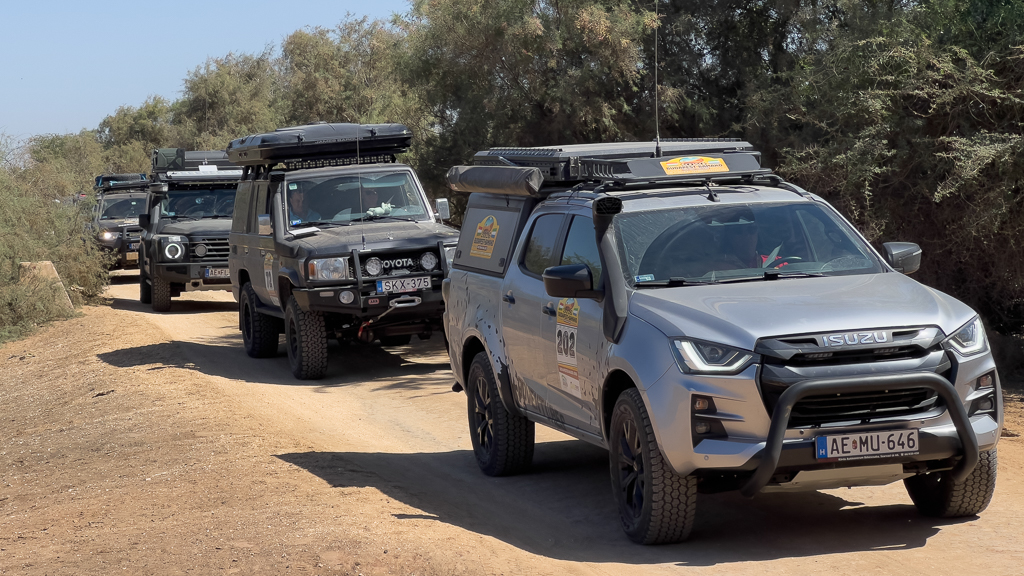
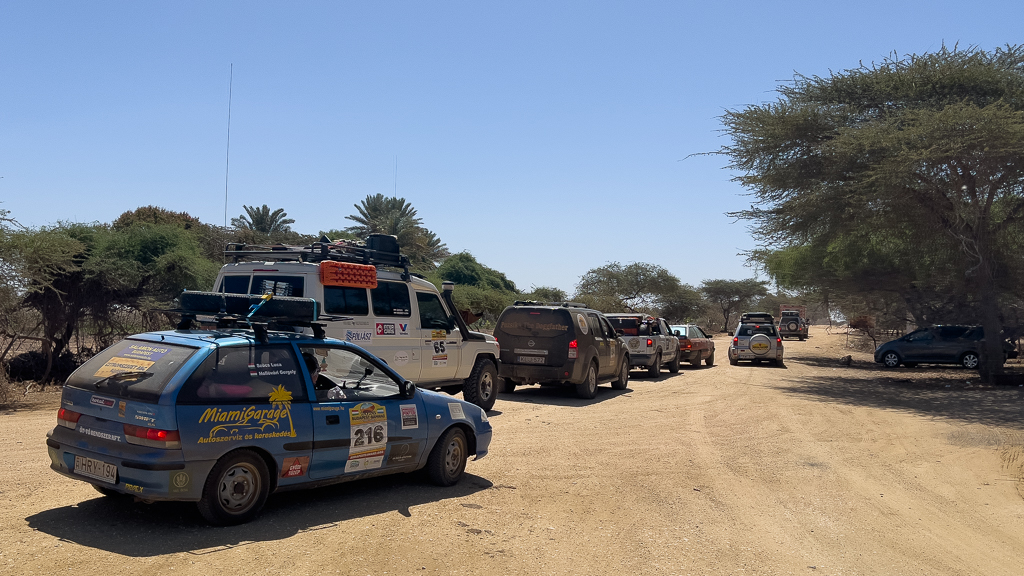
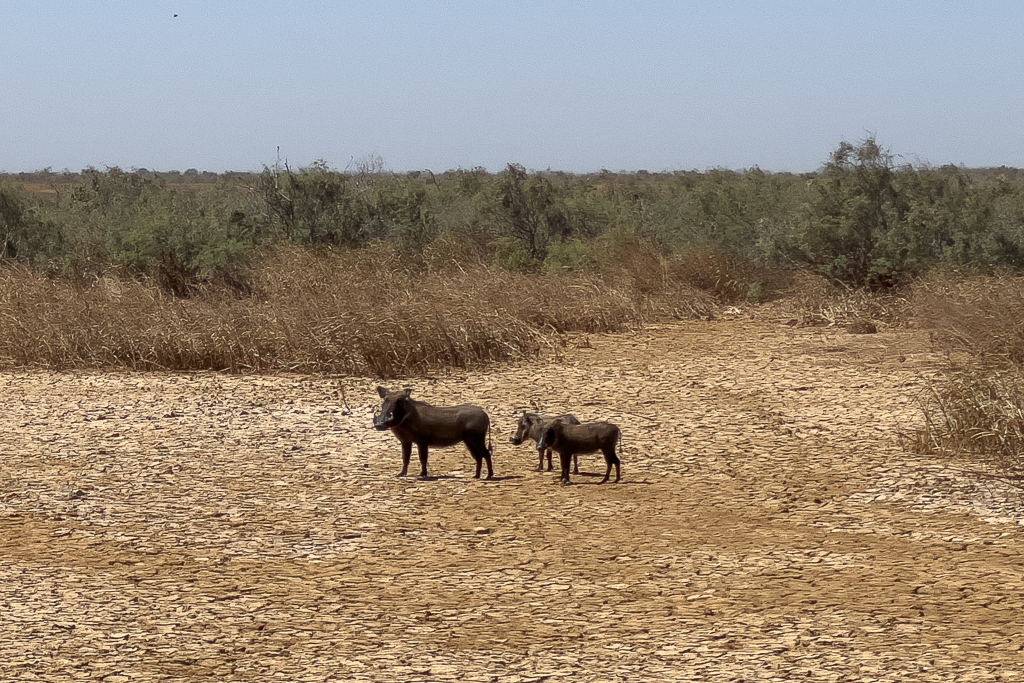
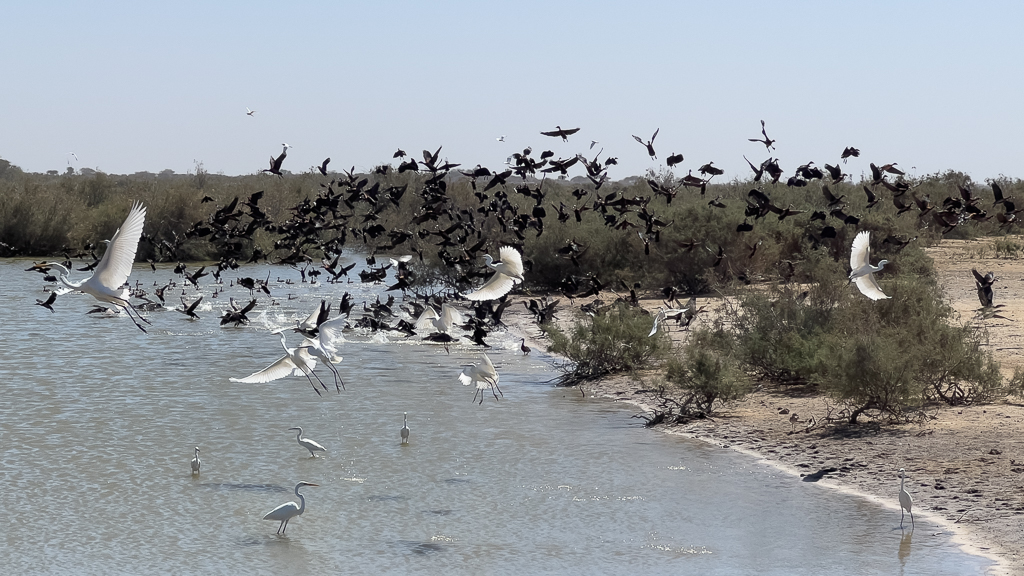
This time, we wanted to try out the detour via Port de N’Diago that Silvia and Doris took on their way to Dakar. The road was indeed much better compared to the direct way through the Diawling NP. The wildlife was a bit less diverse. But warthogs and all kinds of birds could still be found.
Later that day, we arrived at the Aloe Emira Hotel in Nouakchott.
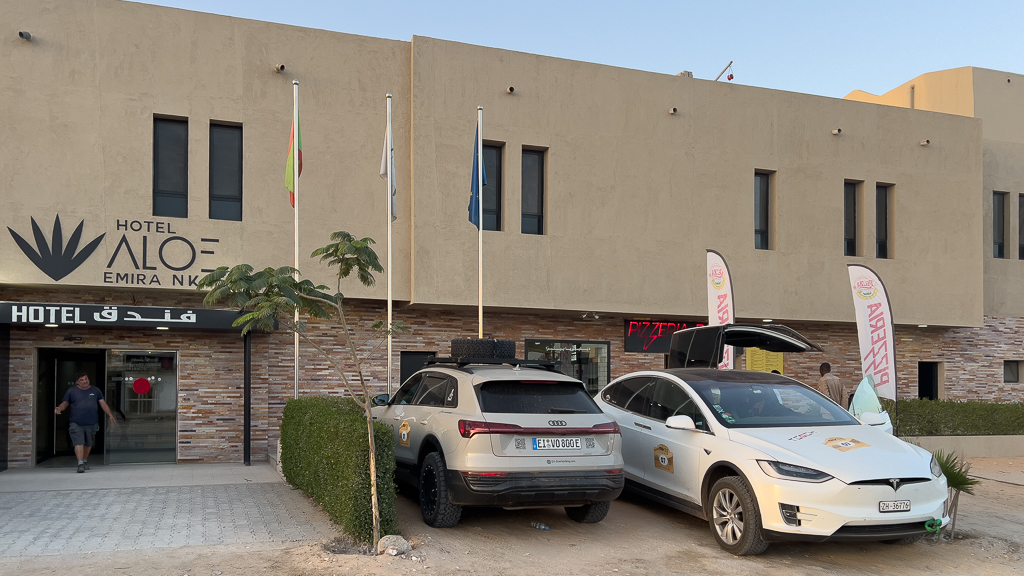
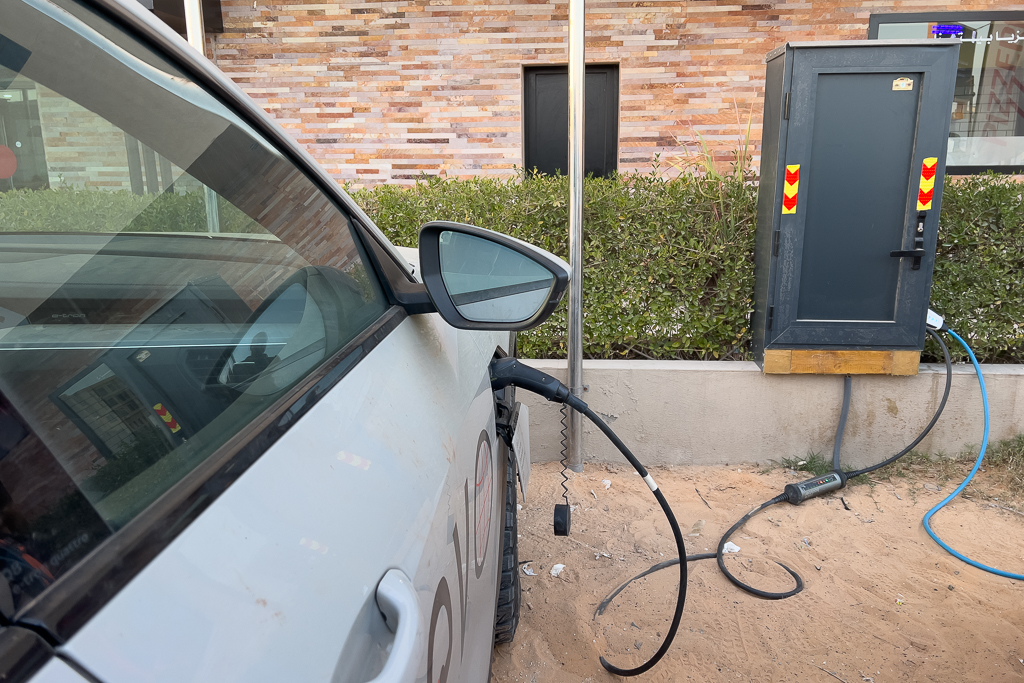
Charging our two cars there with 32A three-phase was no problem.
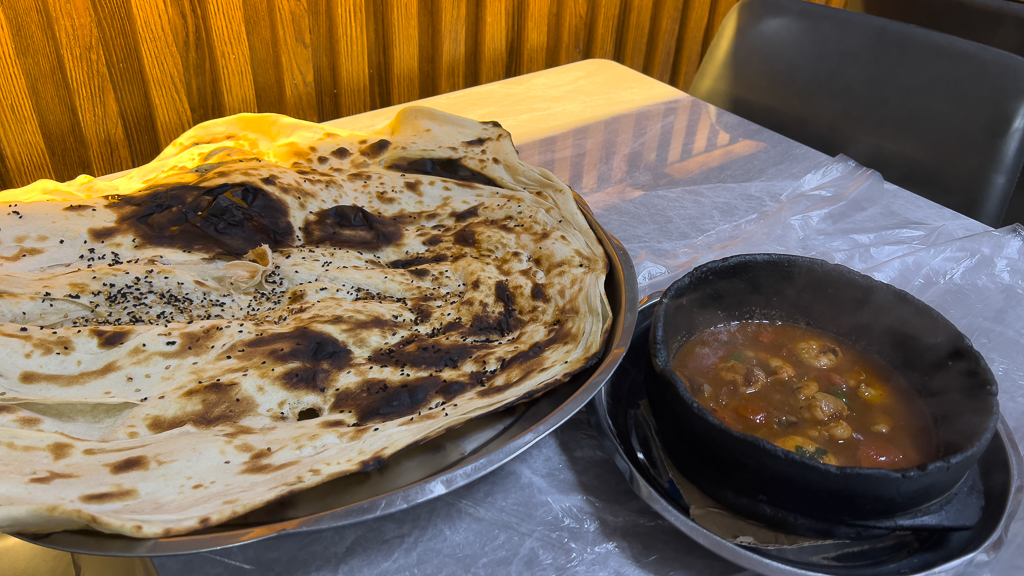
We also went again to my favorite restaurant in Nouakchott: the Yemeni. The shrimps with freshly baked flatbread were just awesome.
This time, we had planned to spend two nights and one full day in Nouakchott to explore the capital of Mauritania.
The next morning, we took a taxi (organized by the hotel) to bring us to the camel market, located about 20km east of the city center. The traffic in Nouakchott was quite chaotic, and I was happy that we took a taxi instead of our cars.
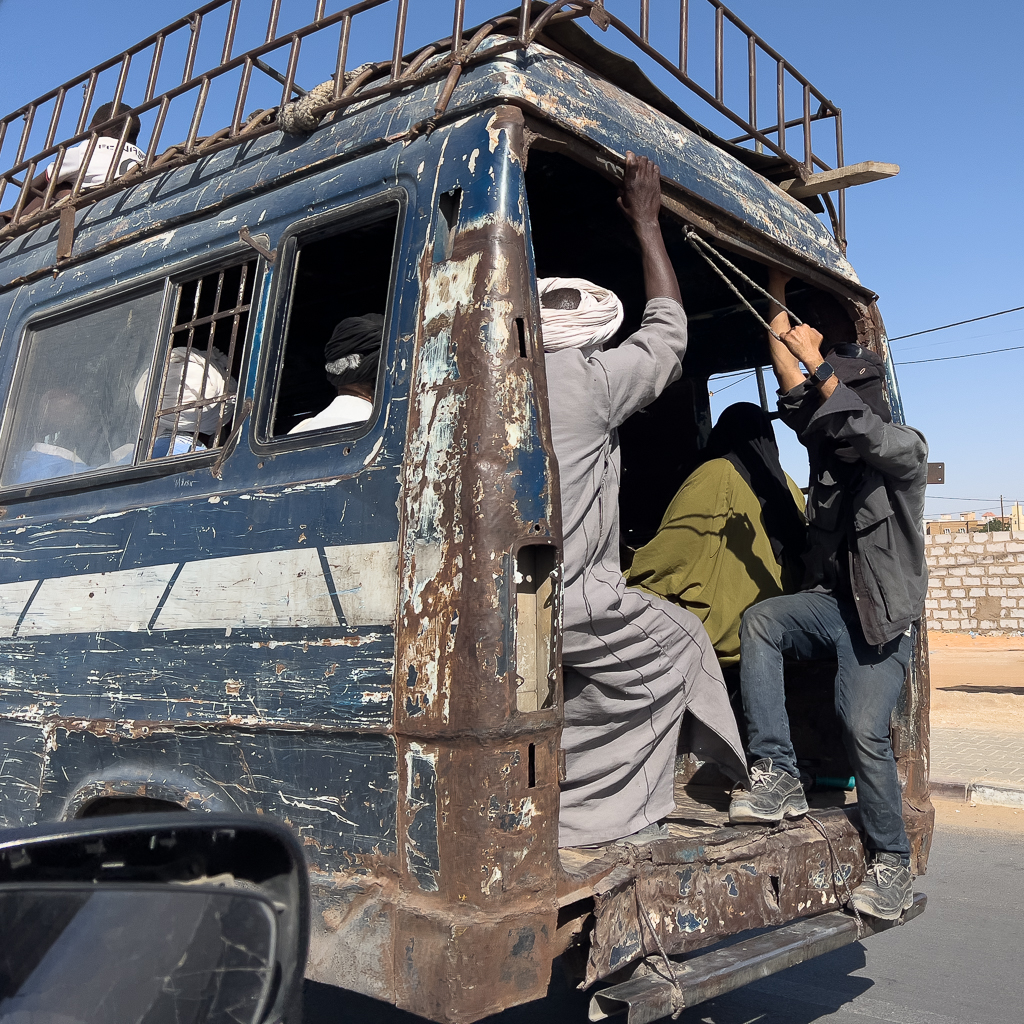
The only drawback was that the taxi driver was a huge fan of Hitler and Putin. Trying to politely convince him that he might be wrong was fruitless. We therefore decided that it’s probably best to stop the conversation completely.
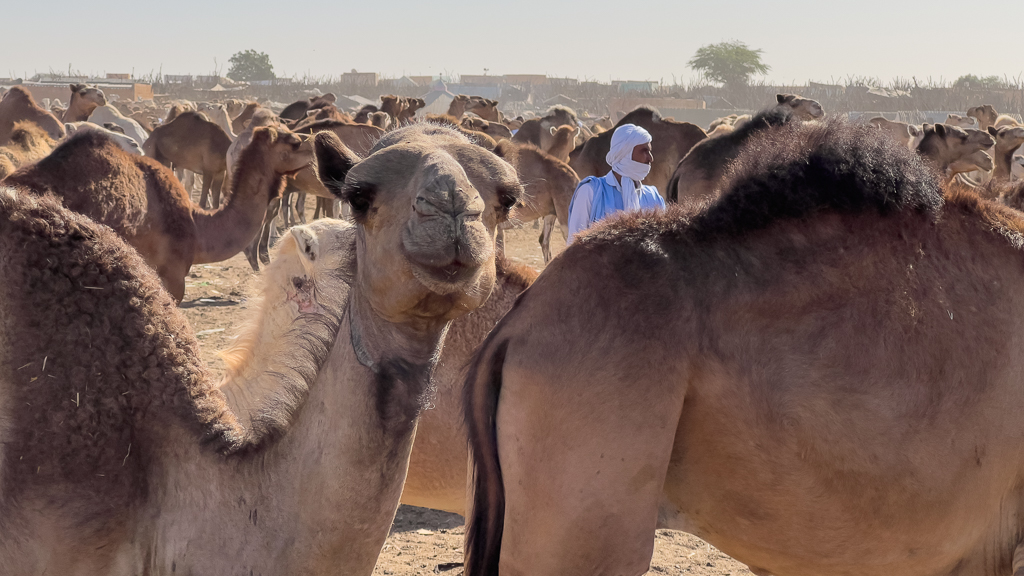
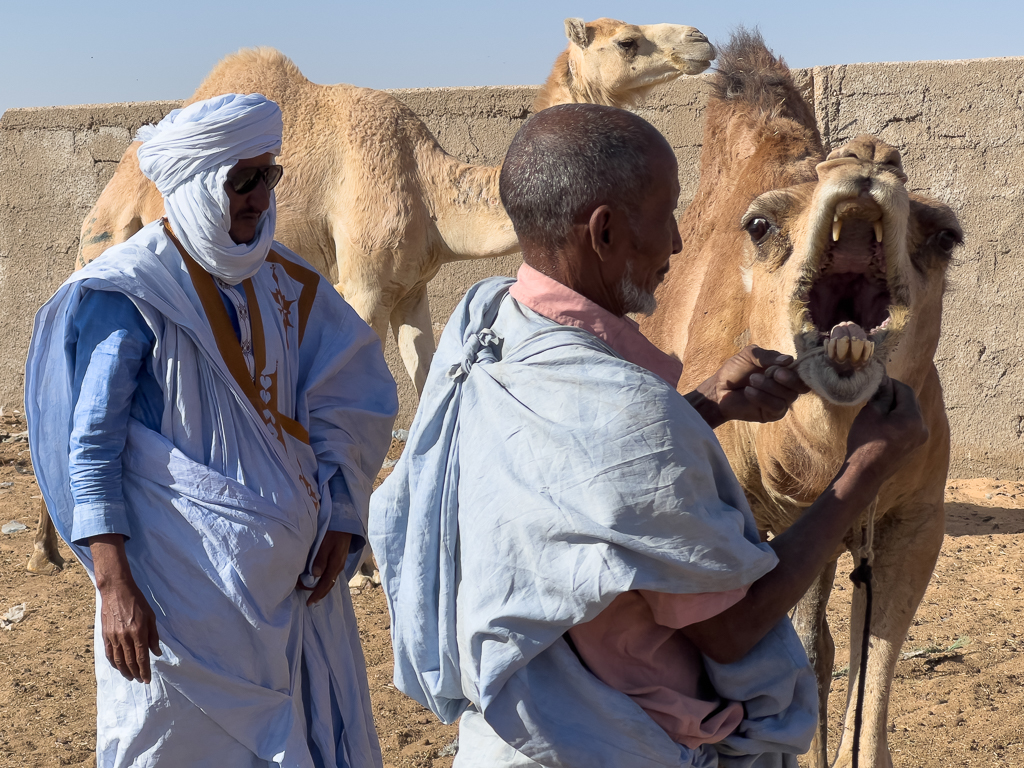
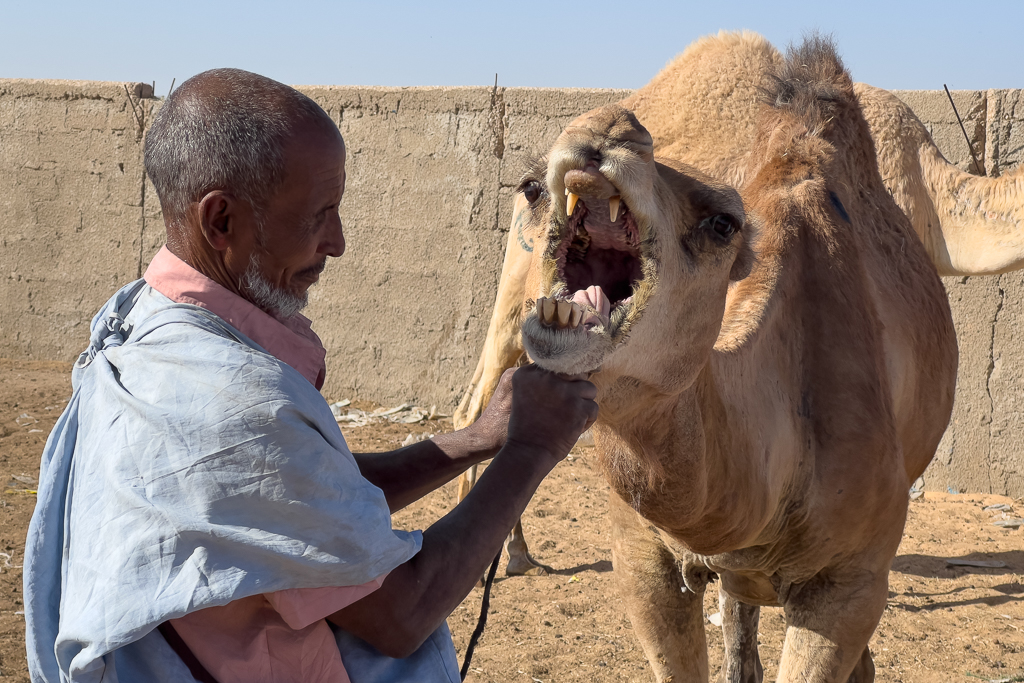
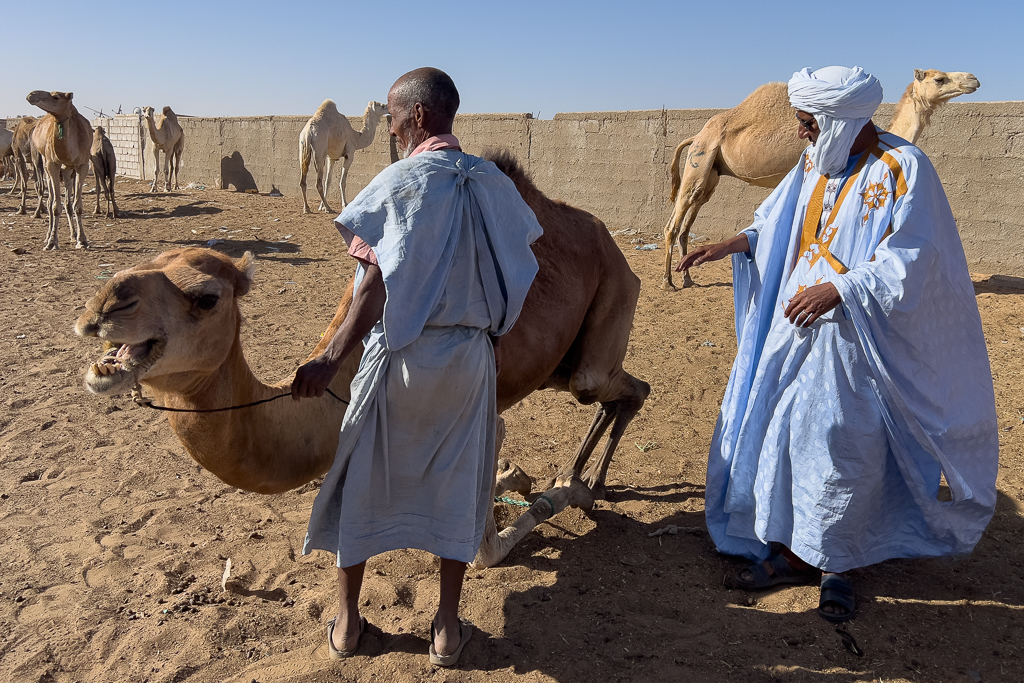
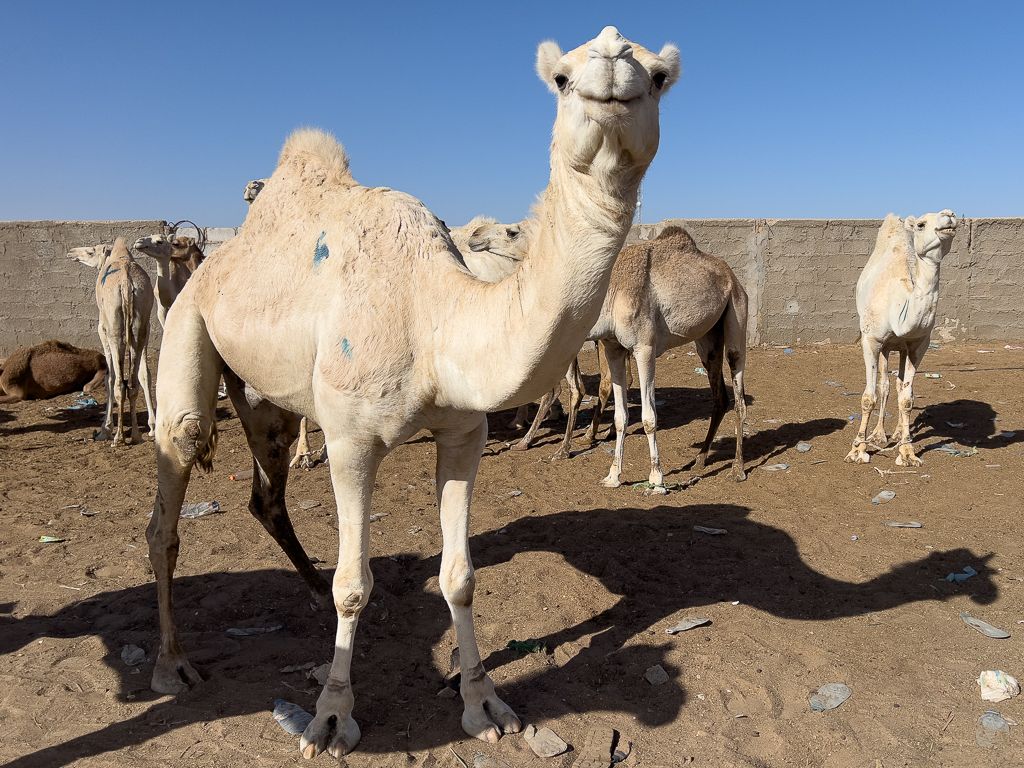
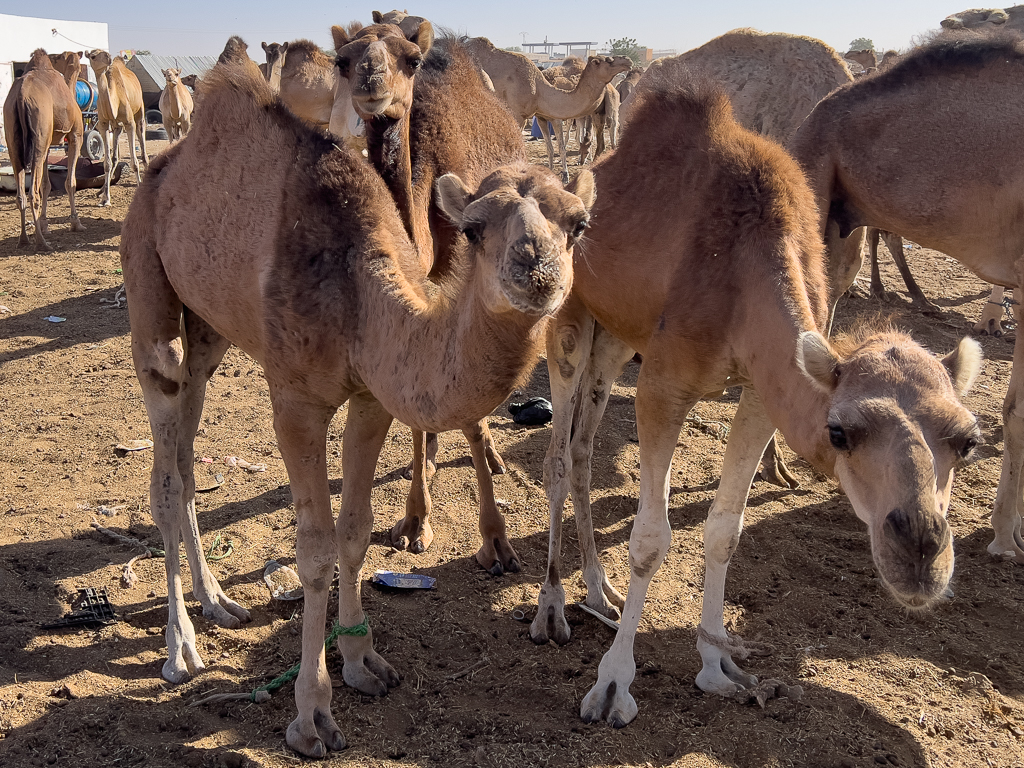
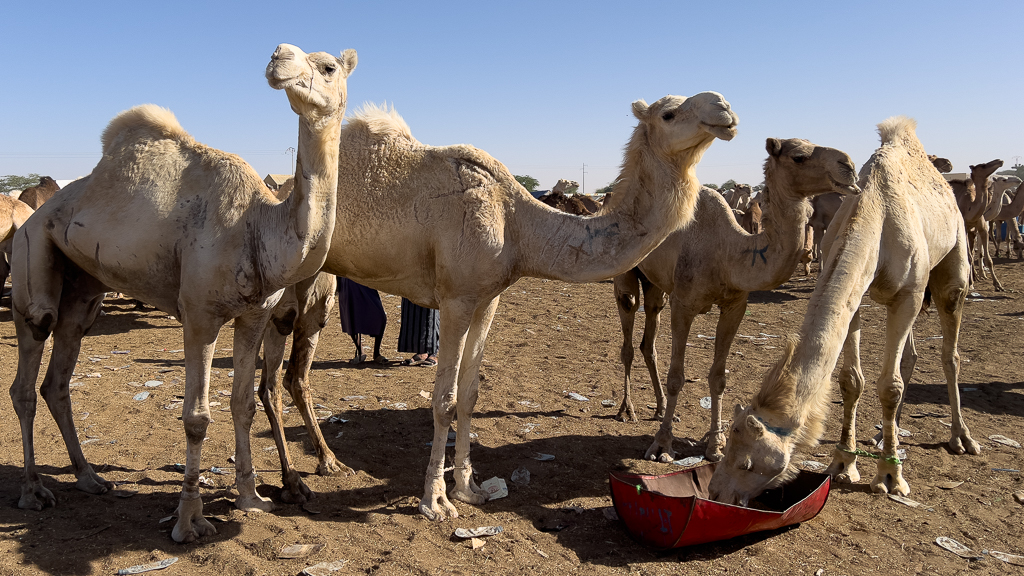
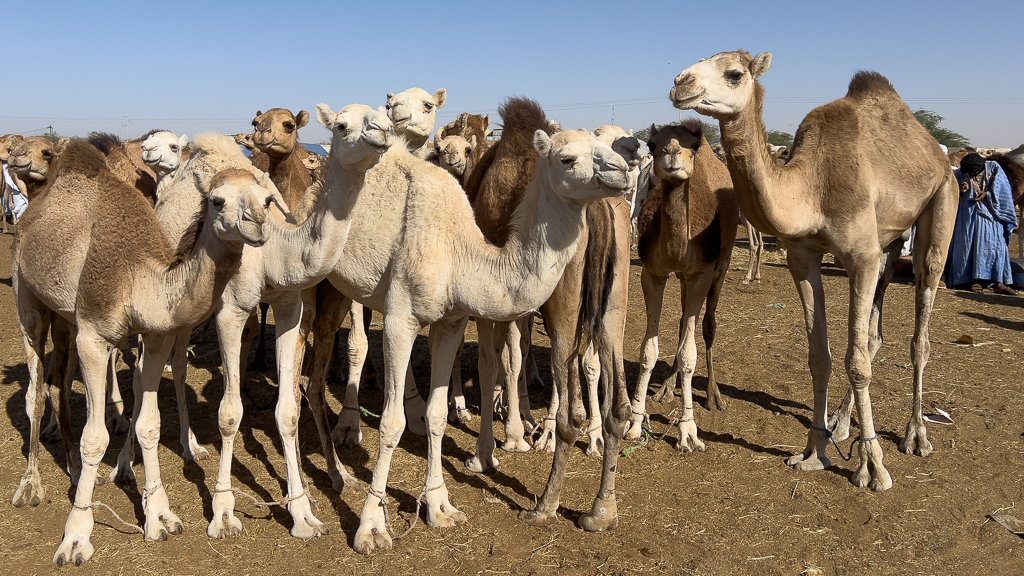
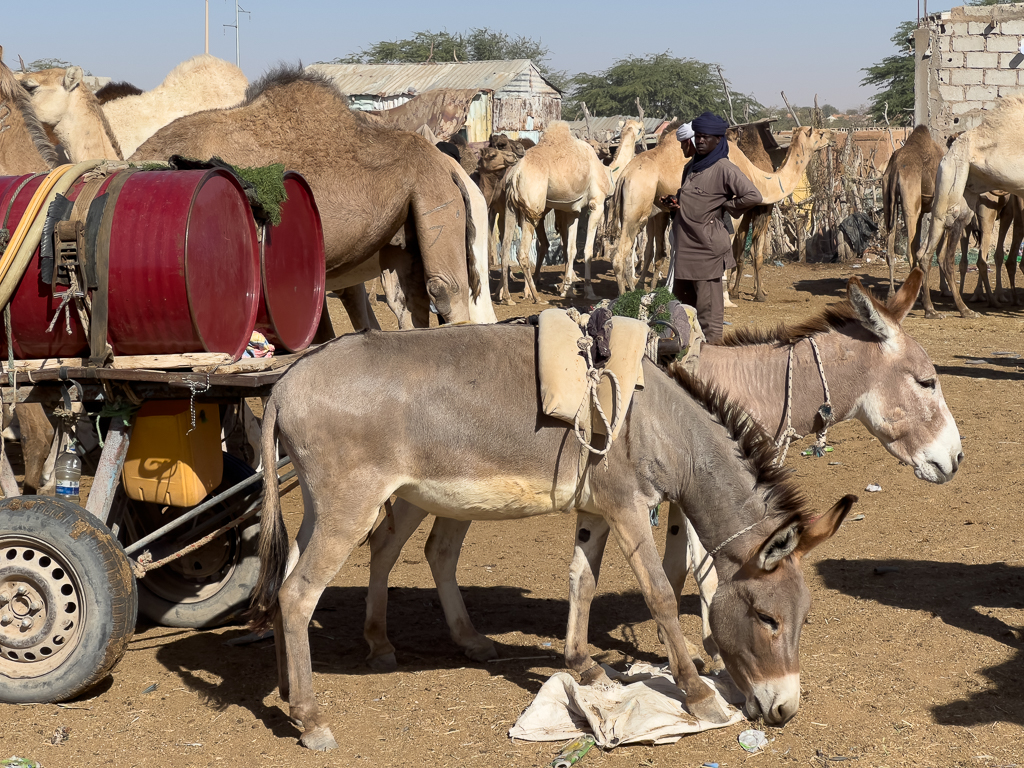
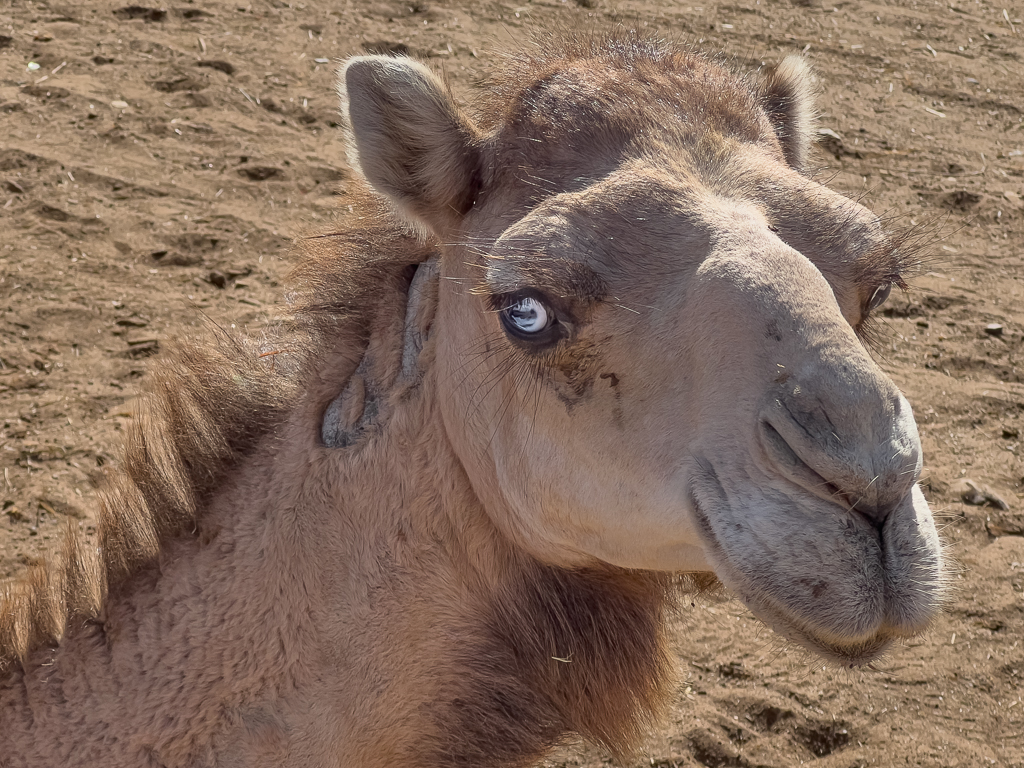
About 45 minutes later, we arrived at the camel market. It’s one of the largest in Africa with about one thousand camels. It’s a real trade market and not a tourist attraction. During the whole time at the market, we were the only tourists there. As an outsider, it’s difficult to assess how close you can get to the action without disturbing the people, and if it’s ok to take a picture or not. It was therefore helpful that our taxi driver was also our guide on the market. He talked to the local people and also told us what we can do and when to better step back.
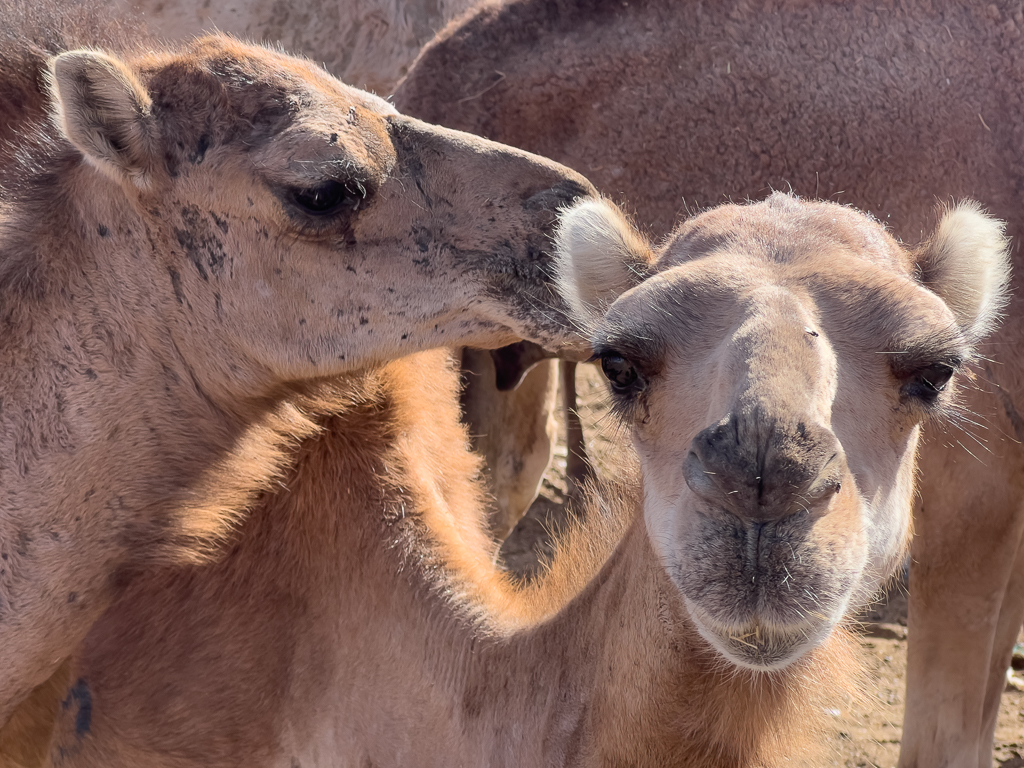
The following images will give you an impression of the camel market:
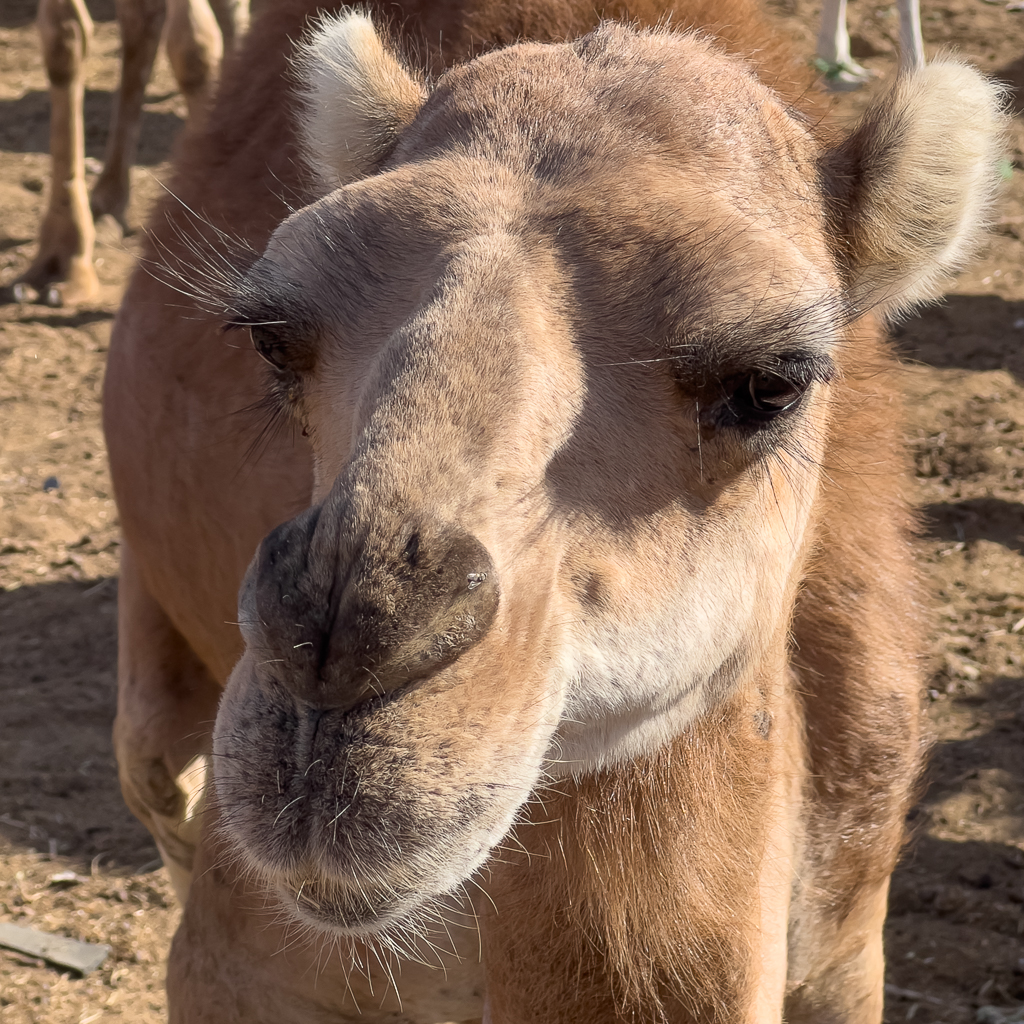
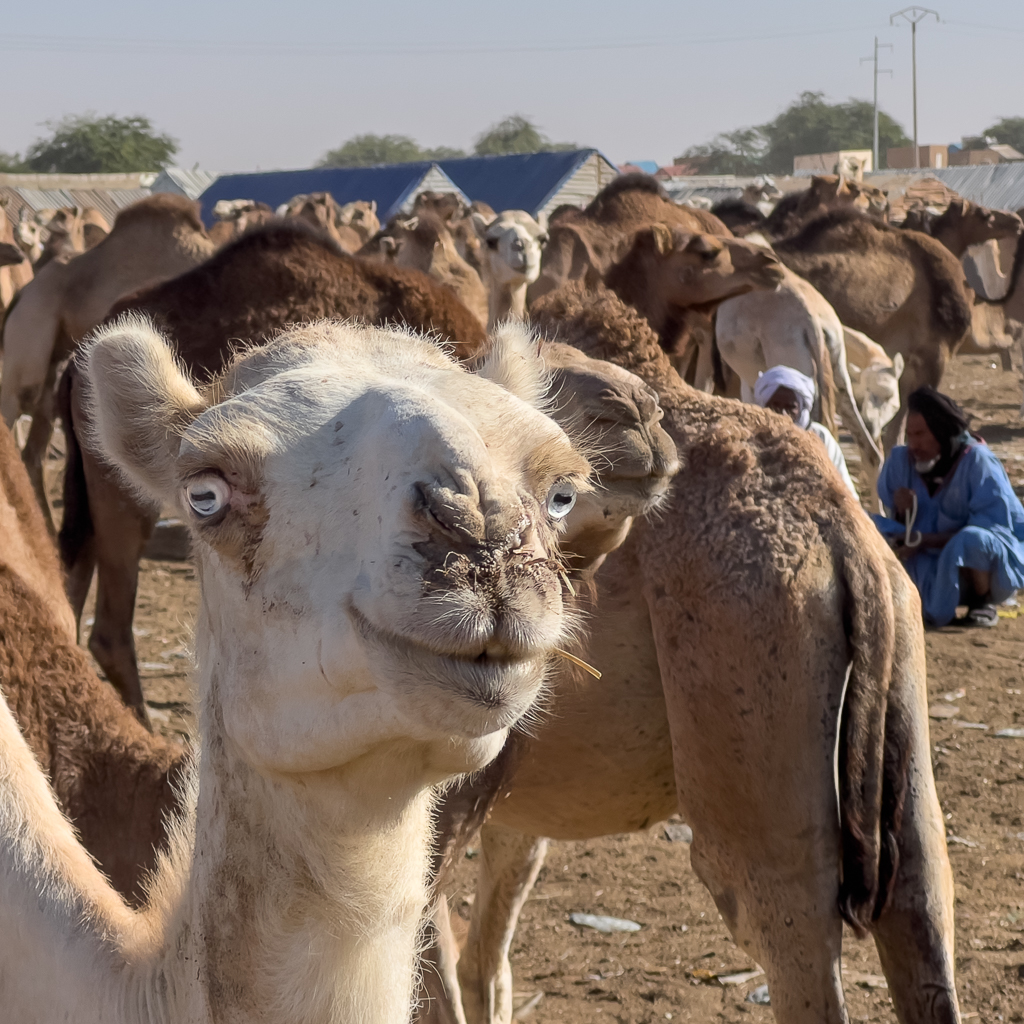
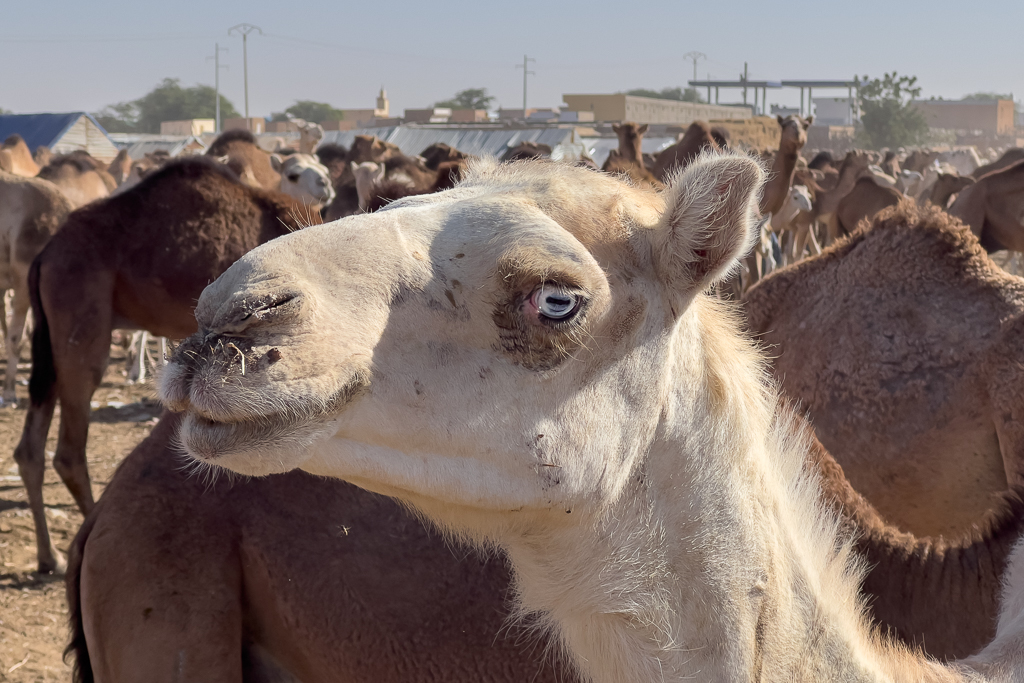
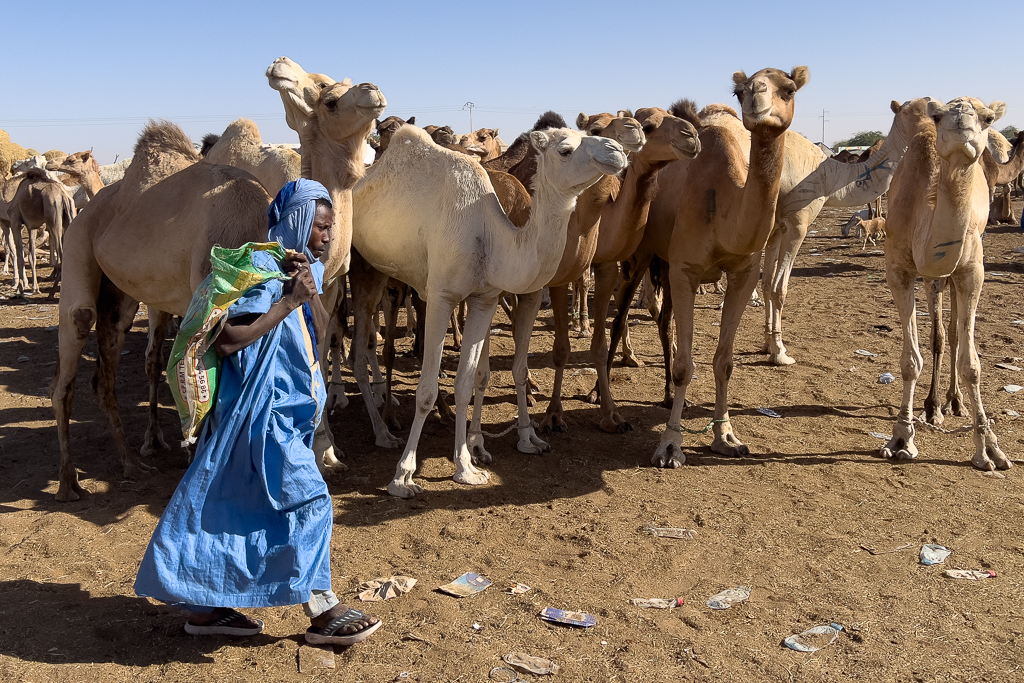
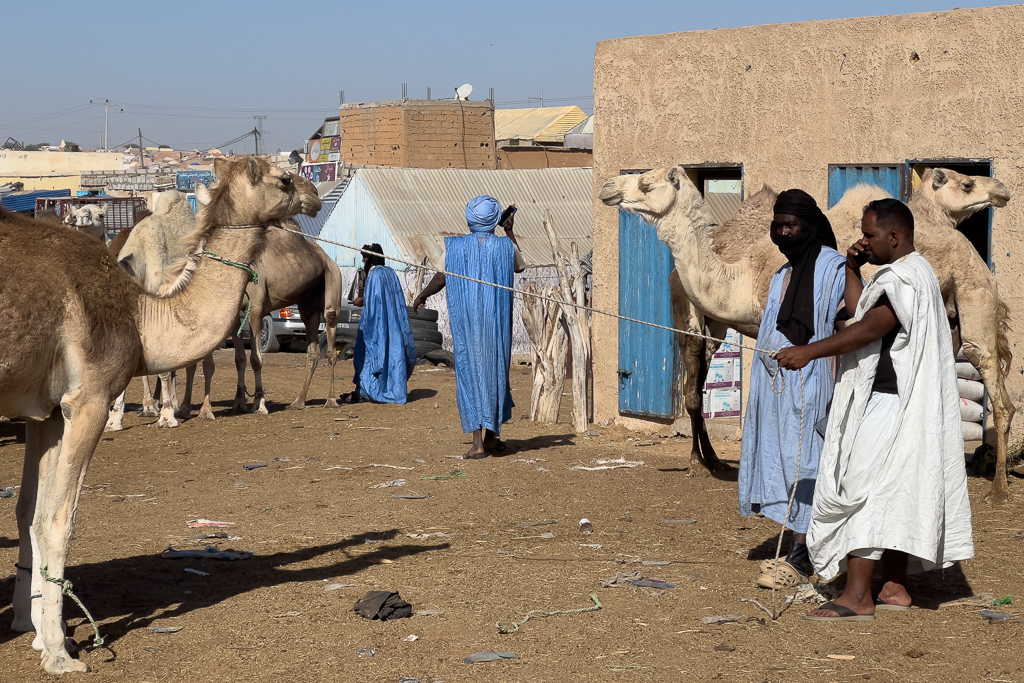
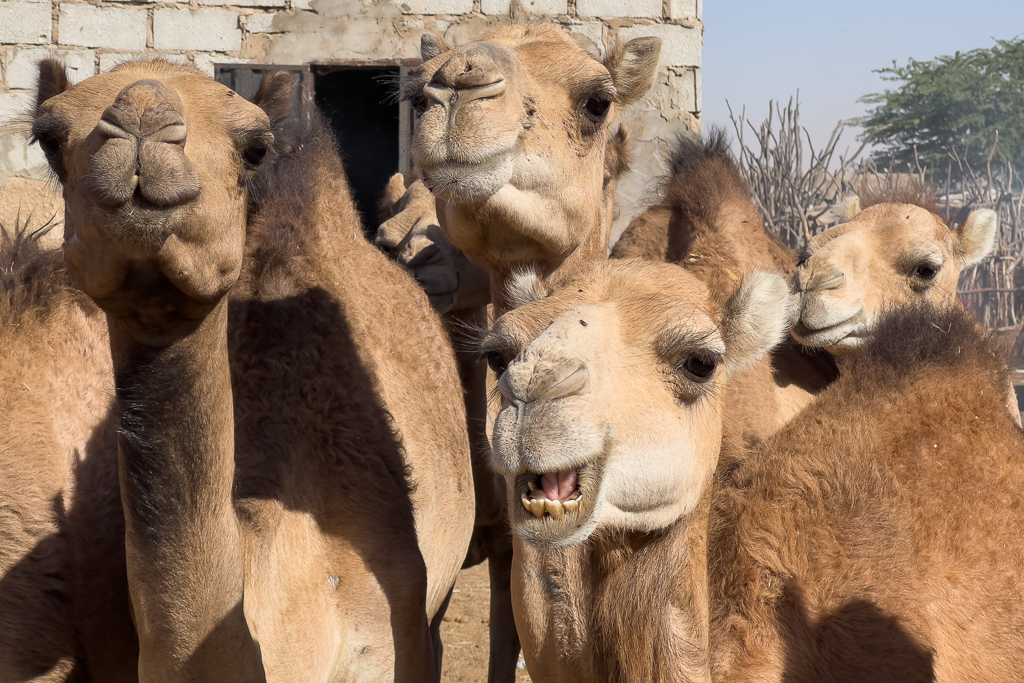
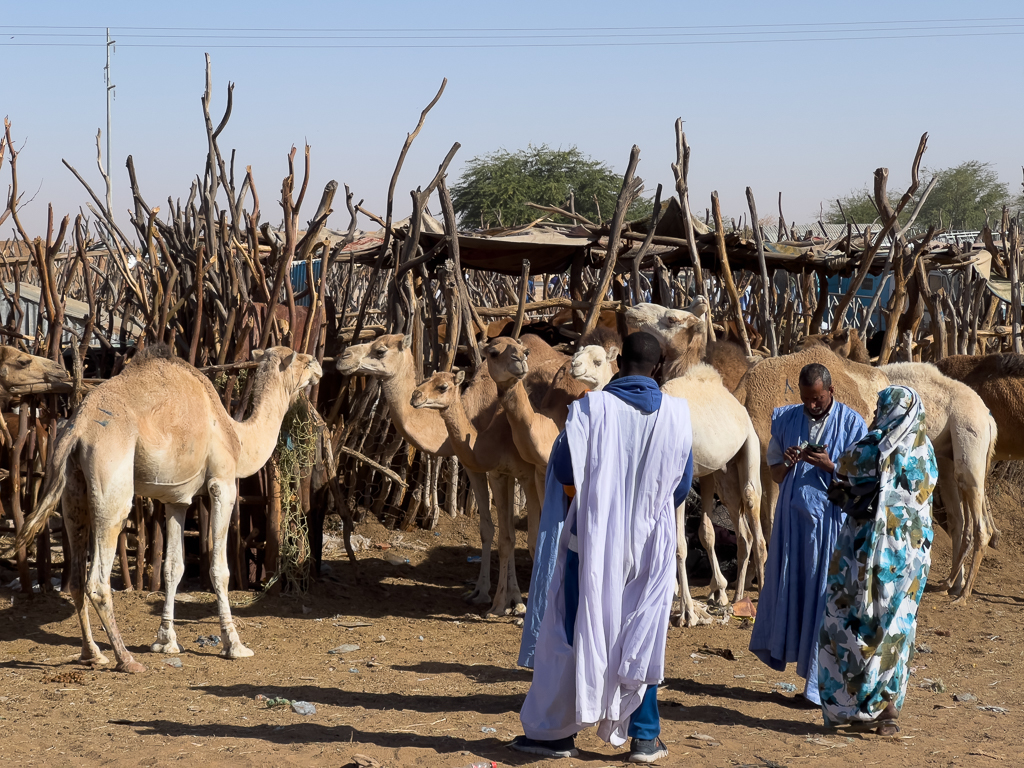
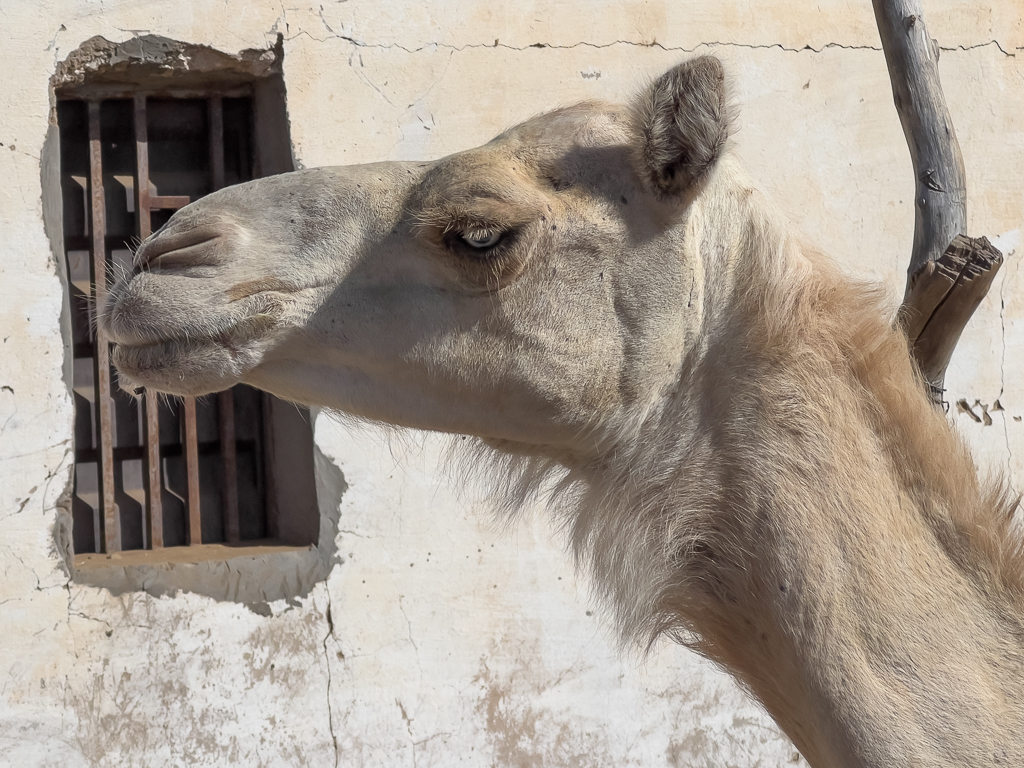
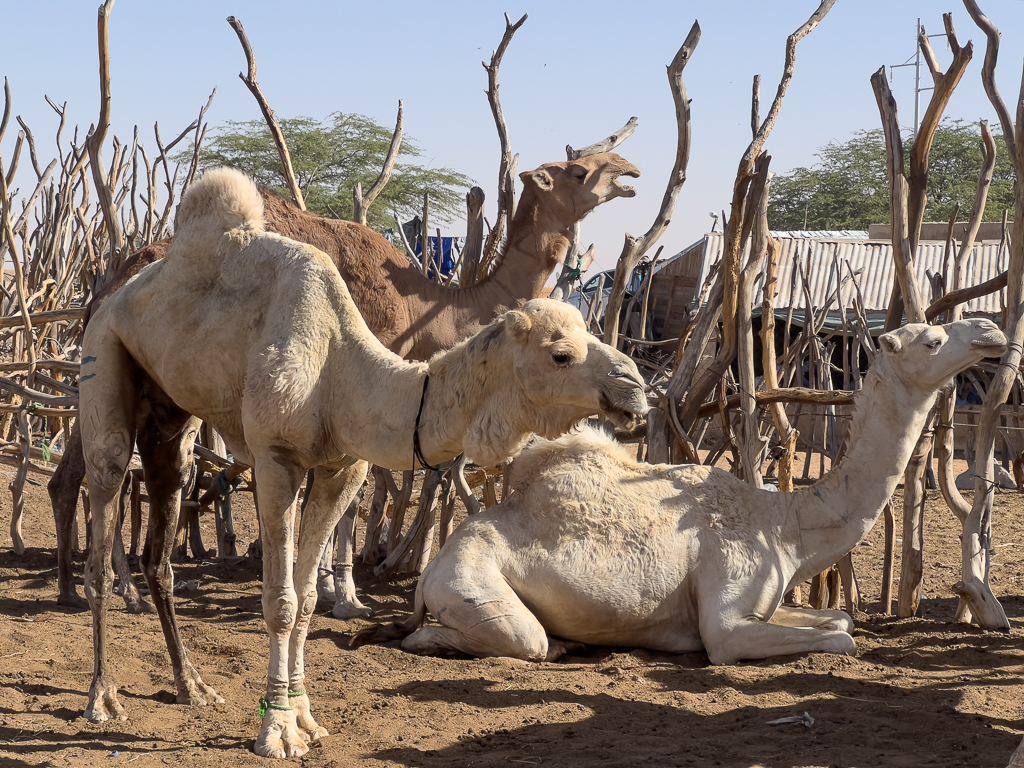
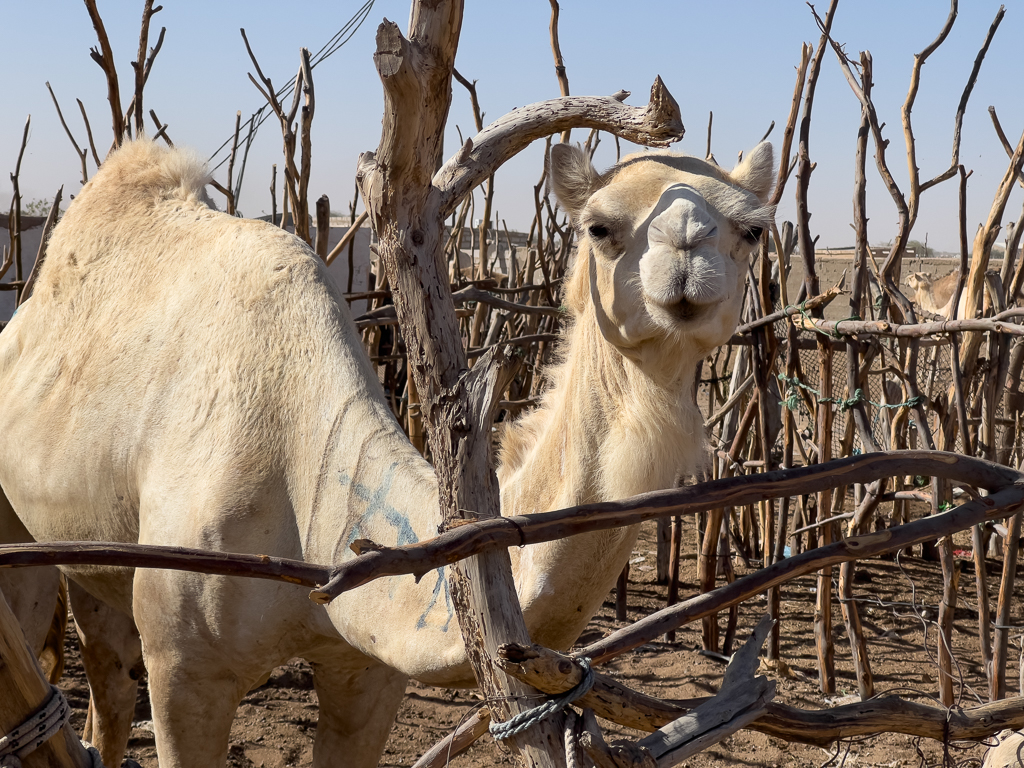
If you want, you could also try freshly grilled camel meat at the market.
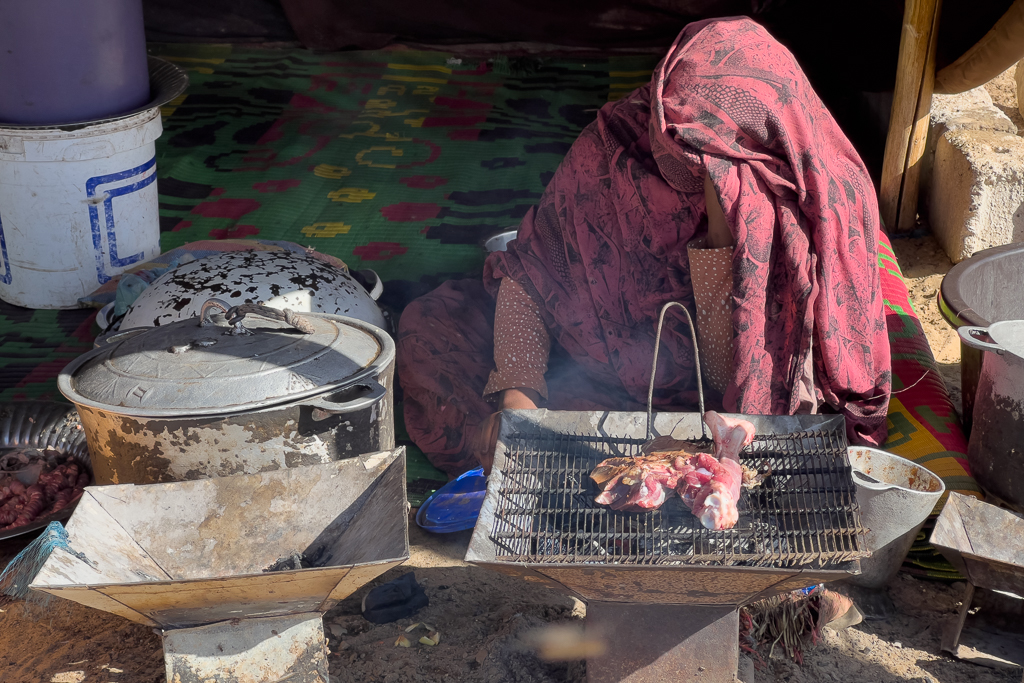
Altogether, it was definitely an interesting experience. But I would strongly recommend taking a local guide with you when visiting this market. And the way they treat the animals is not great. You likely won’t see any extreme cases of animal mistreatment or cruelty, because camels have a high value, but sensitive animal lovers should probably skip this place.
Next, we went to a completely different place. A fellow traveler recommended to me to visit the Zeinart art gallery in Nouakchott. It’s hidden in the courtyard of an inconspicuous building in the city center. There are two small rooms with art exhibitions, a beautiful garden, and a workshop.
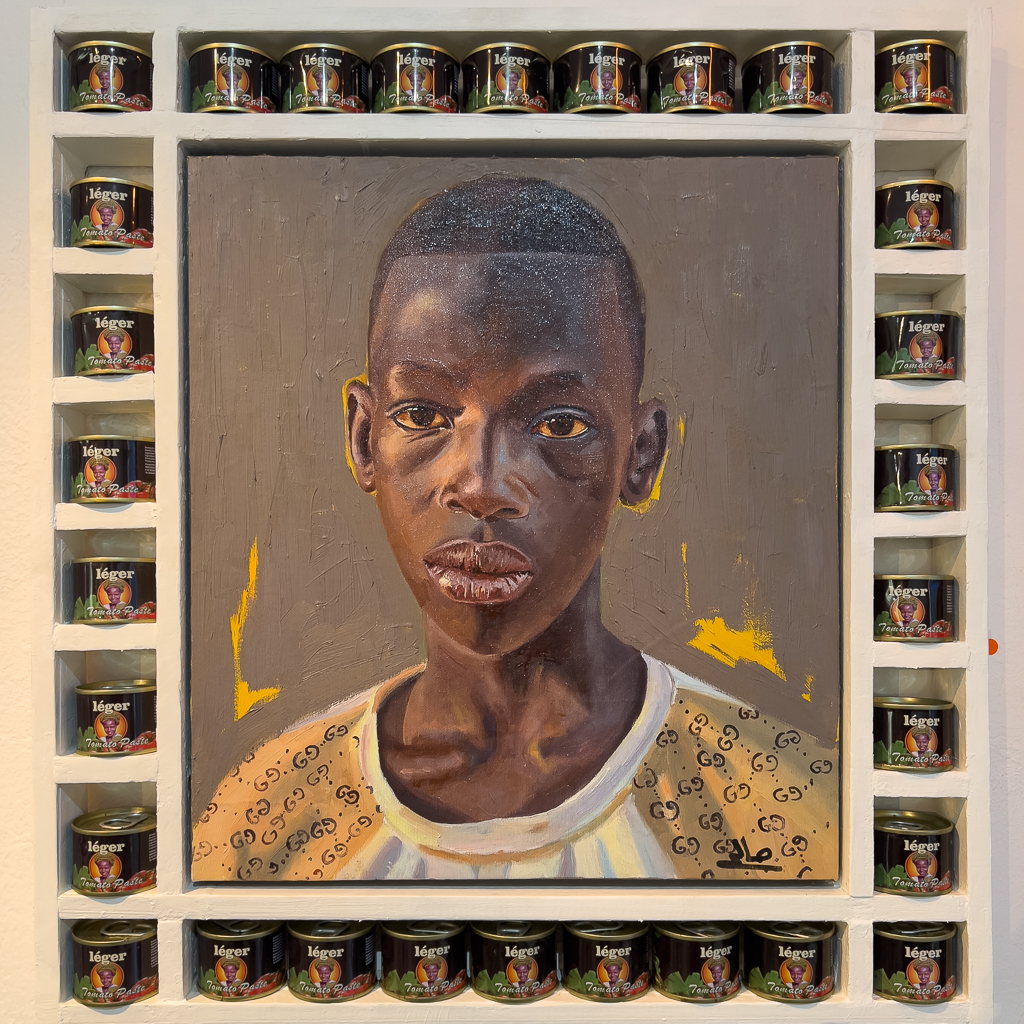
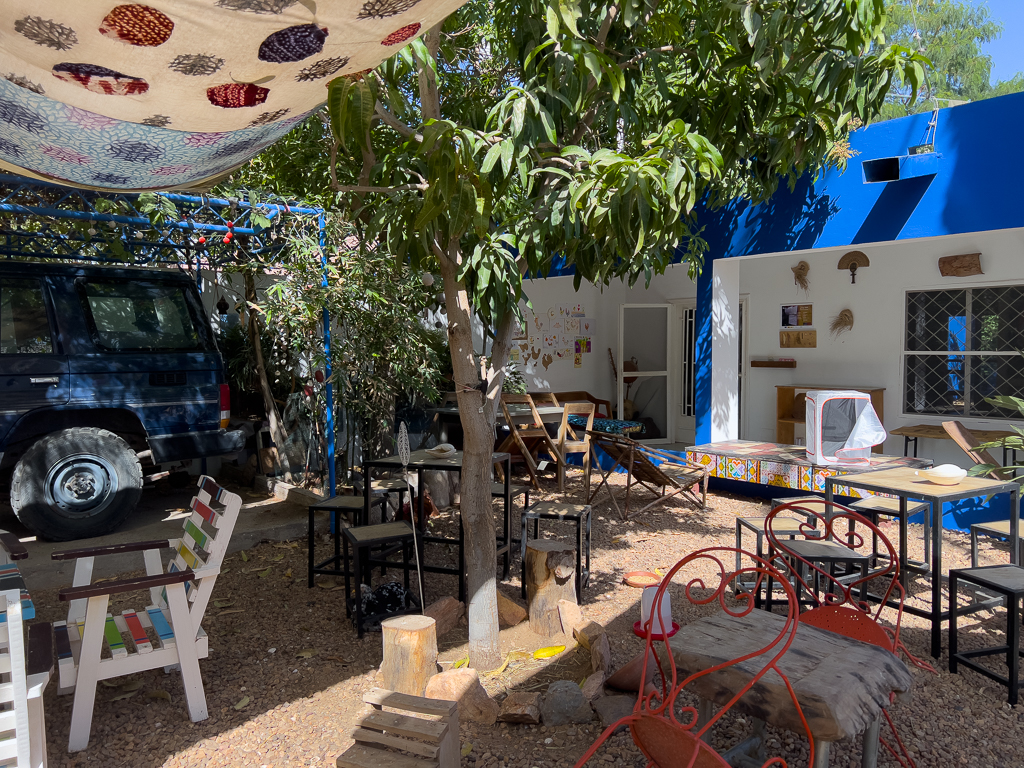
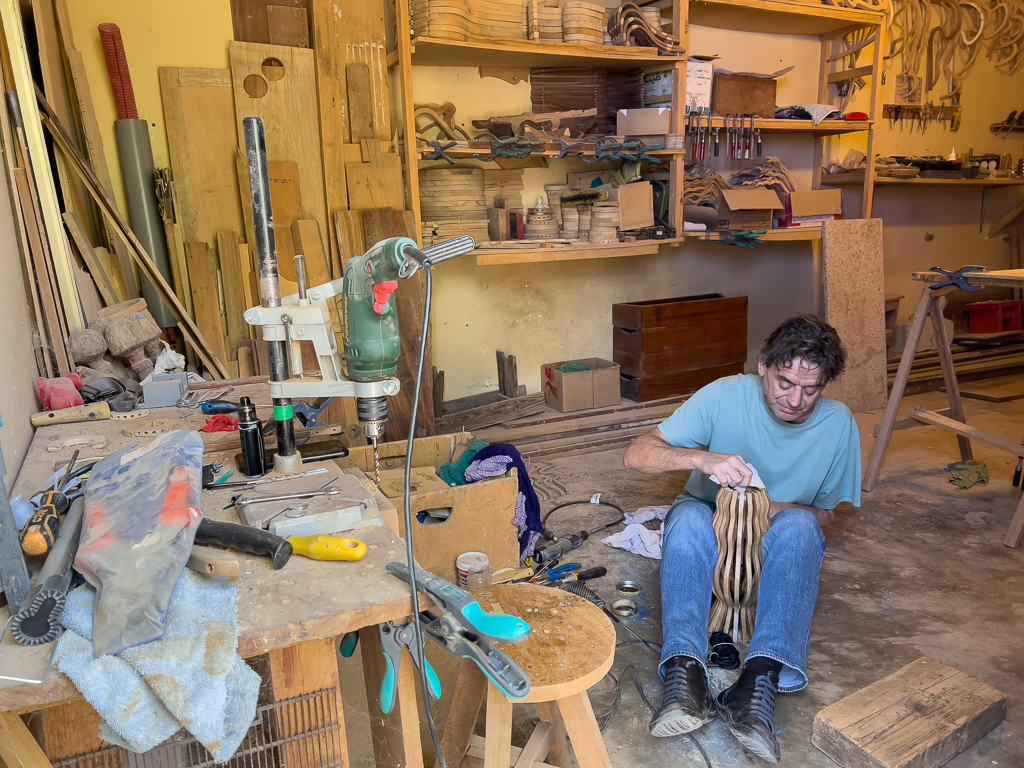
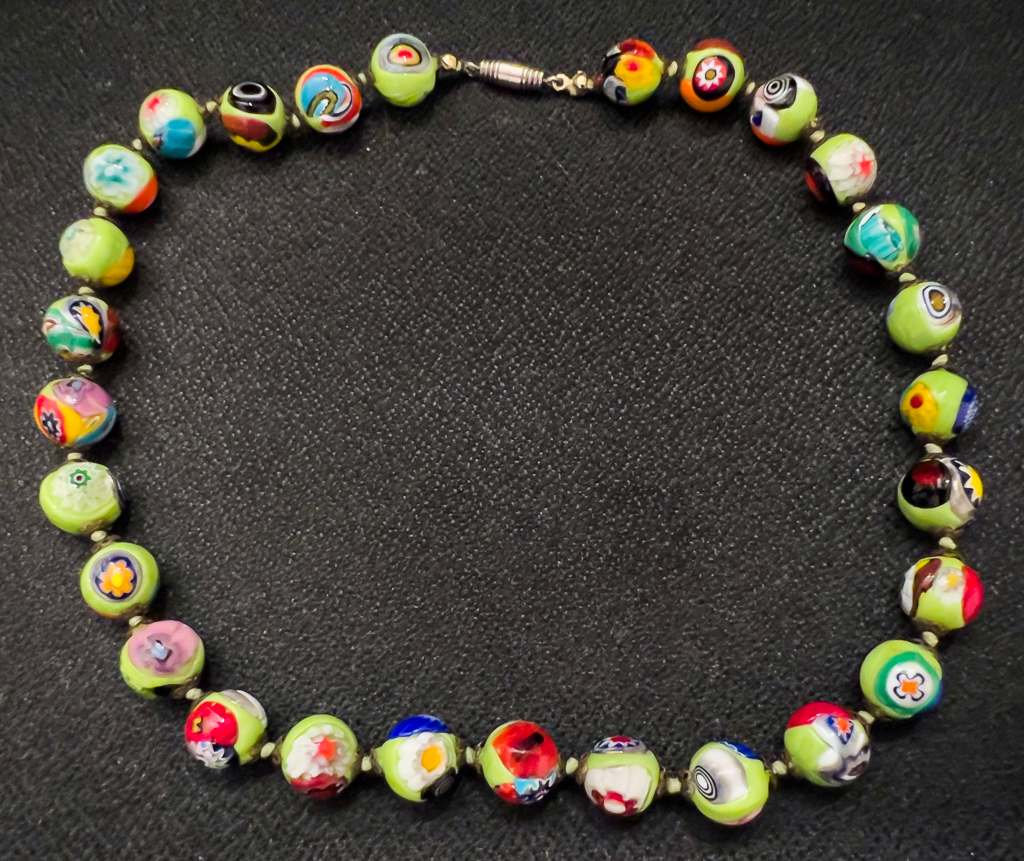
It’s a great place to buy some high-quality souvenirs. I bought a colorful necklace for my daughter at the gallery.
Then we went back to our hotel for a short break. In the late afternoon, we took another taxi to the local fish market. Again, the taxi driver was also our guide at the market. Some areas of the market and the nearby beach are not safe. Our guide told us a couple of times to turn around and walk back at certain points. Altogether, the mood was also a bit more tense compared to the camel market. Photography was also not possible everywhere.
Here are some impressions of the Nouakchott fish market:
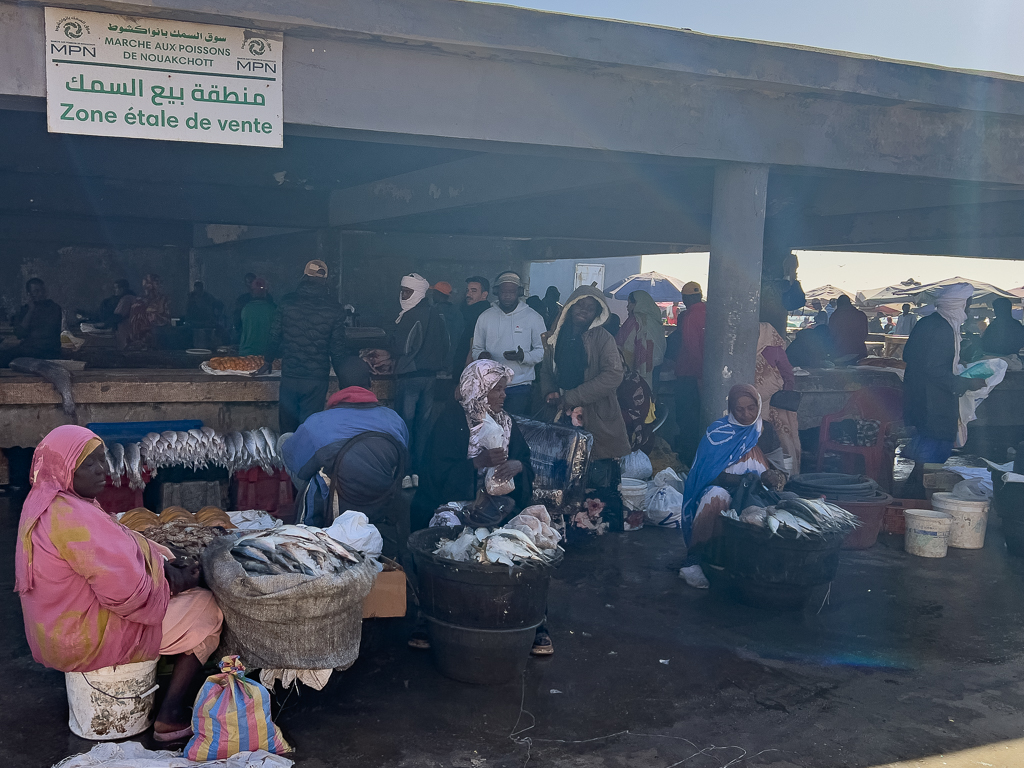
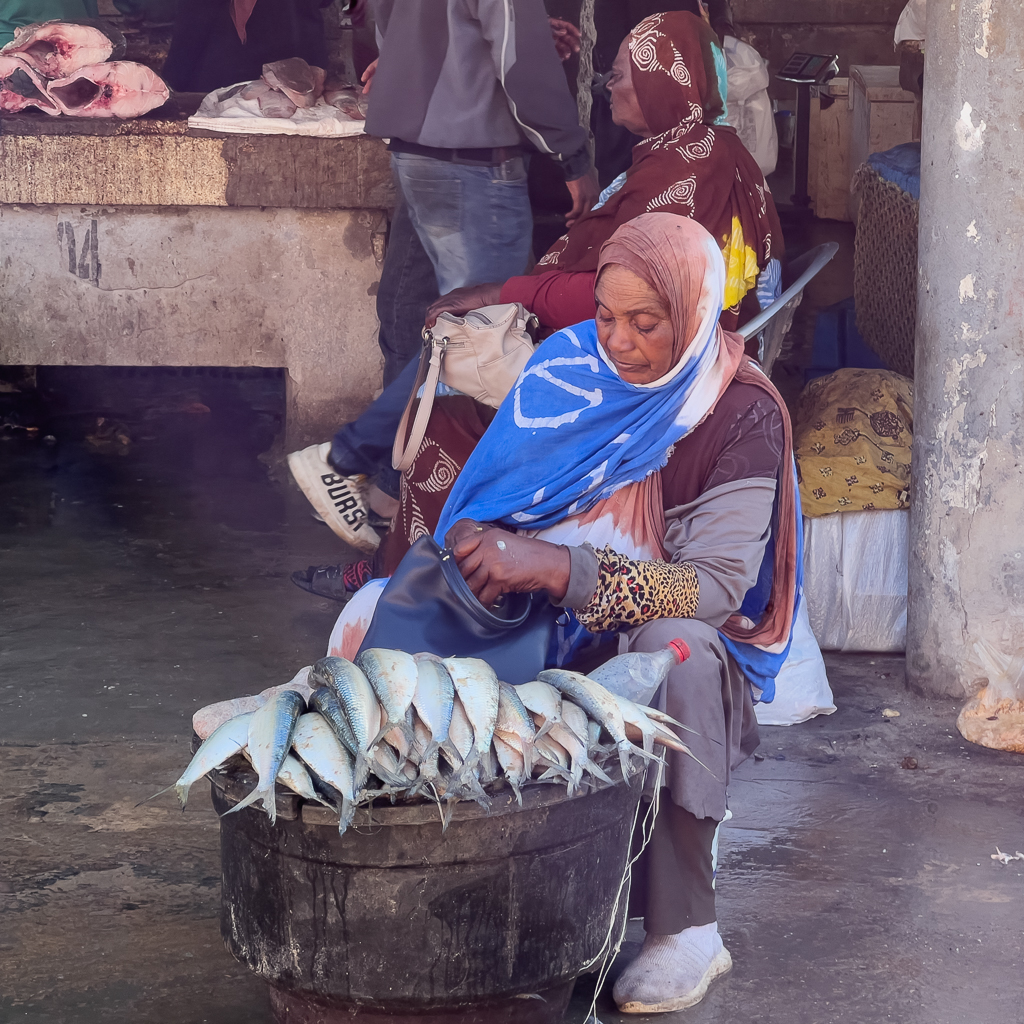
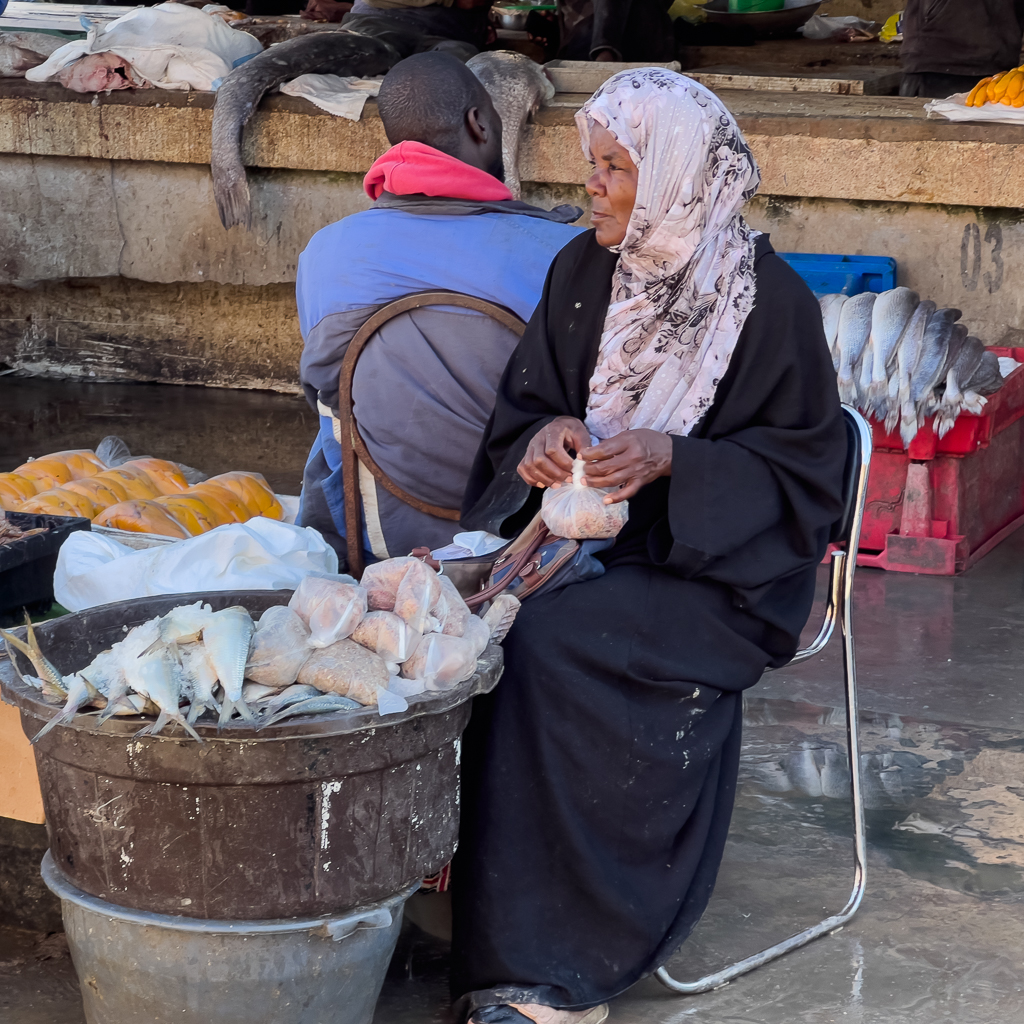
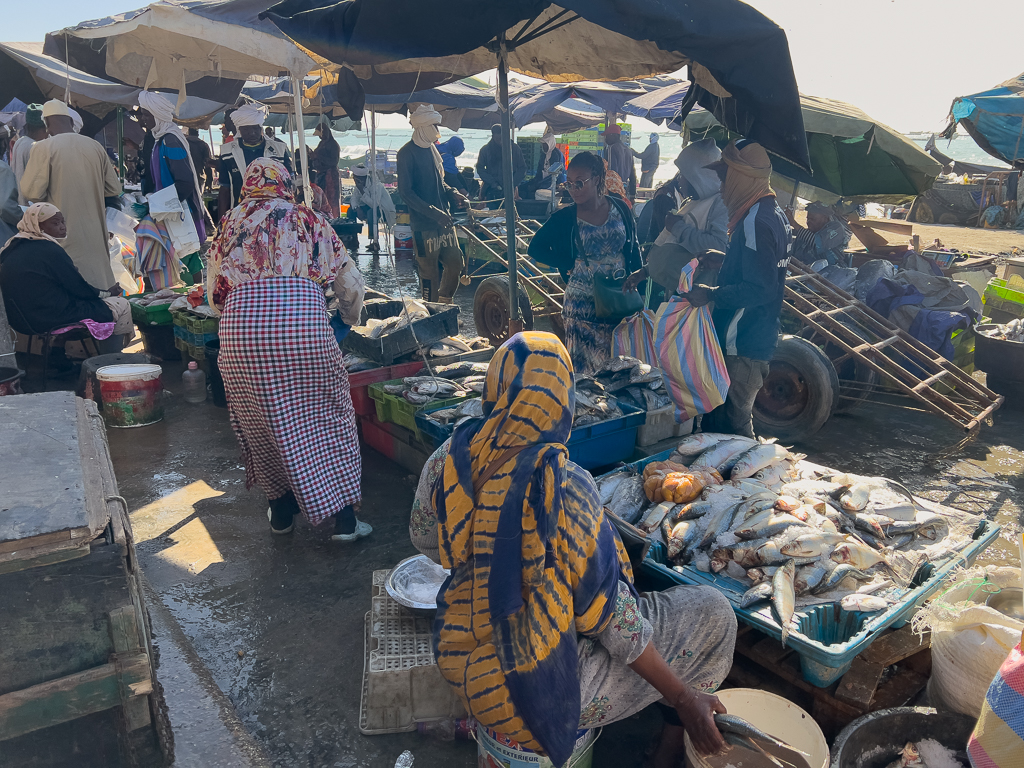
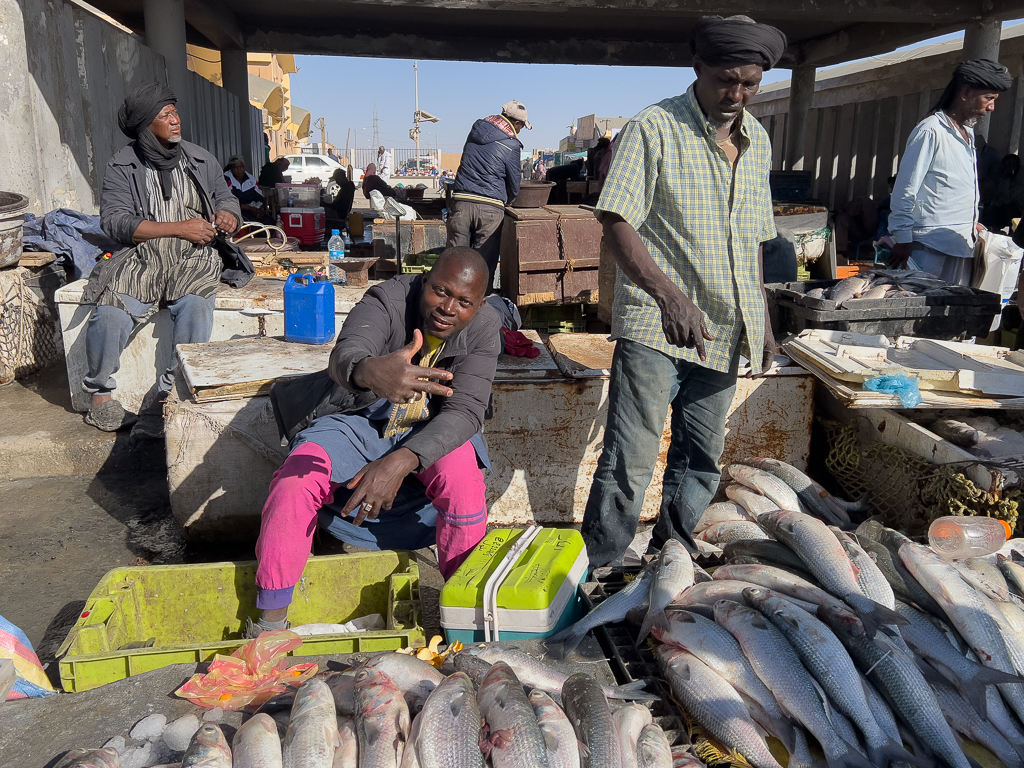
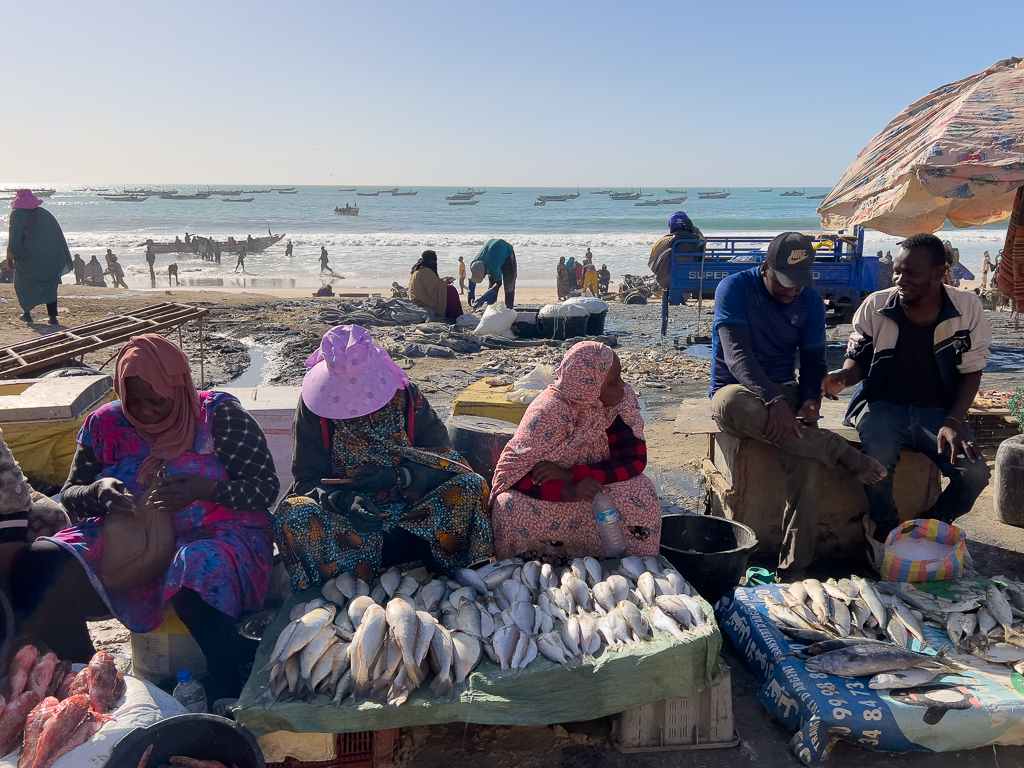
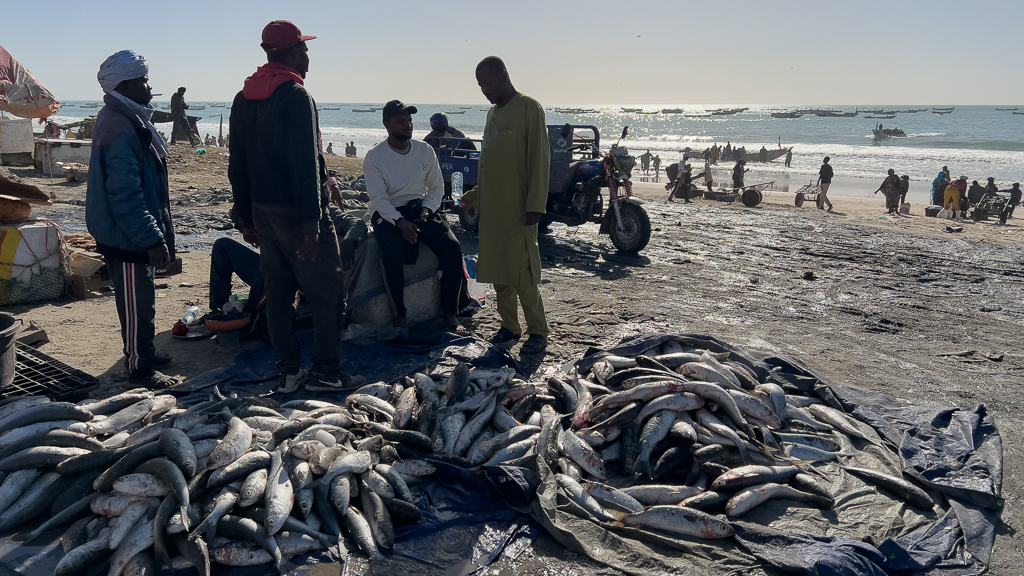
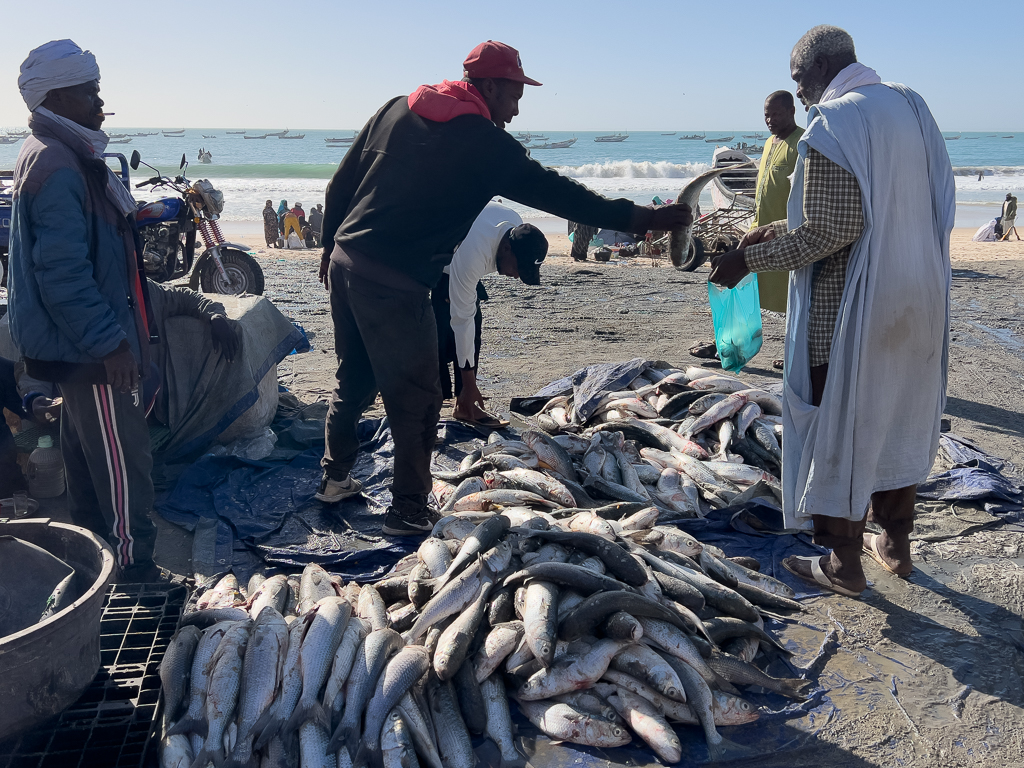
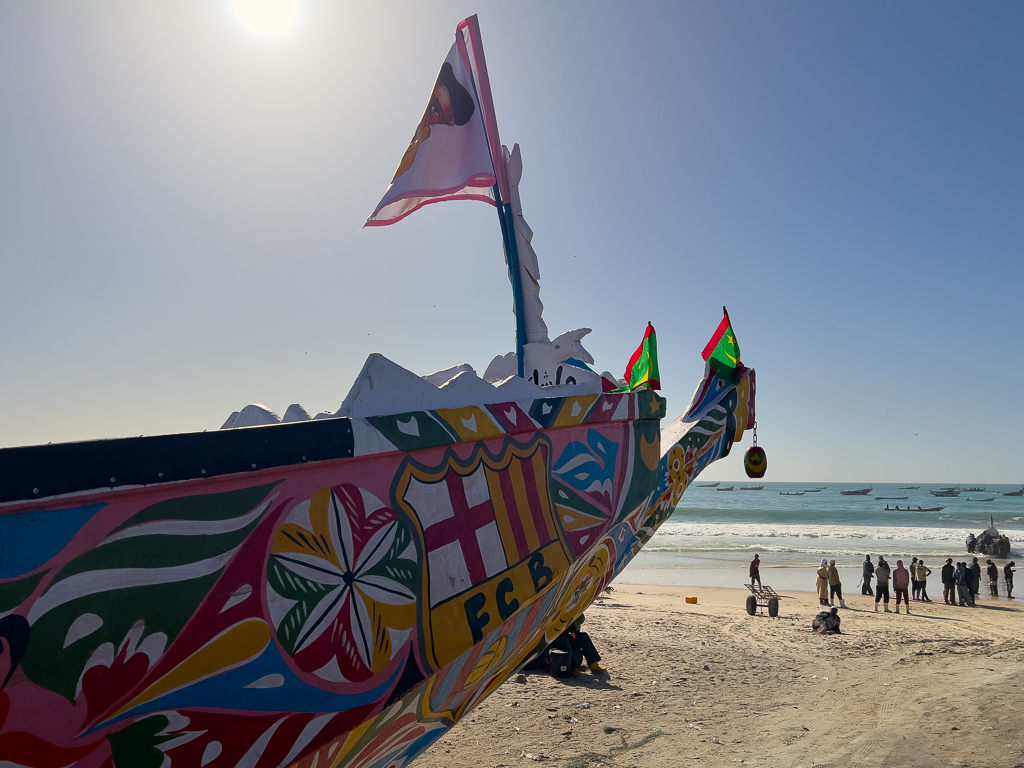
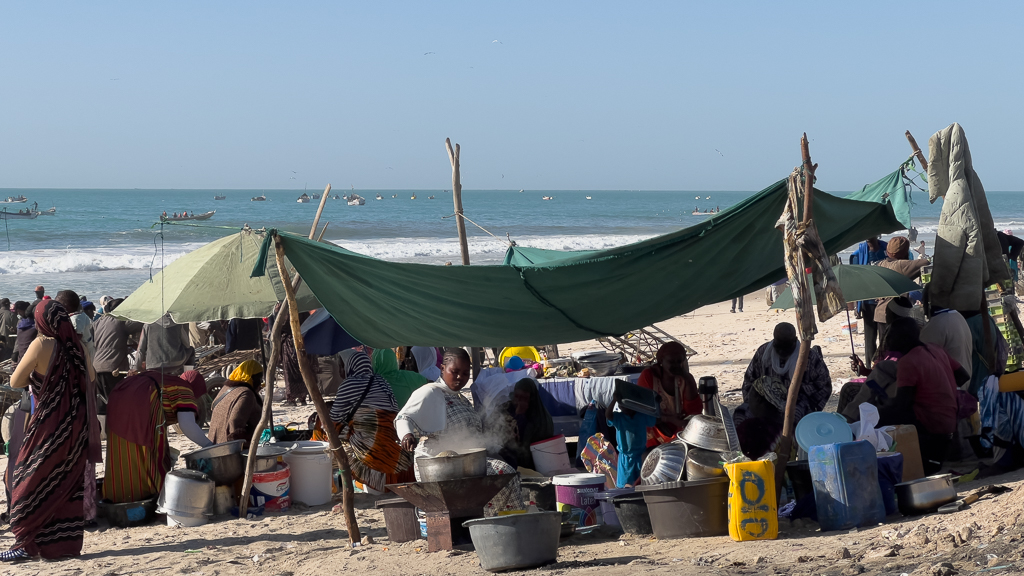
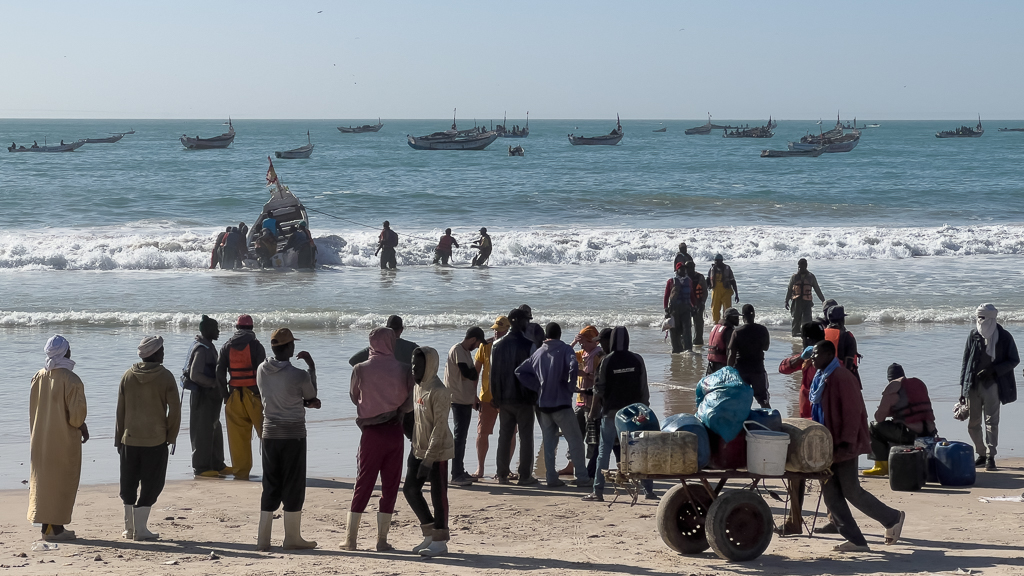
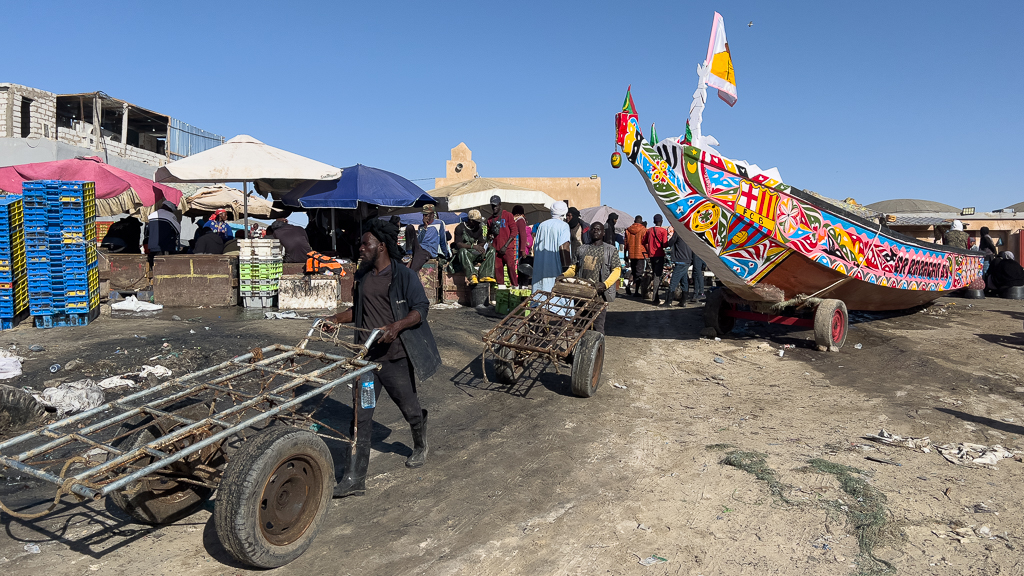
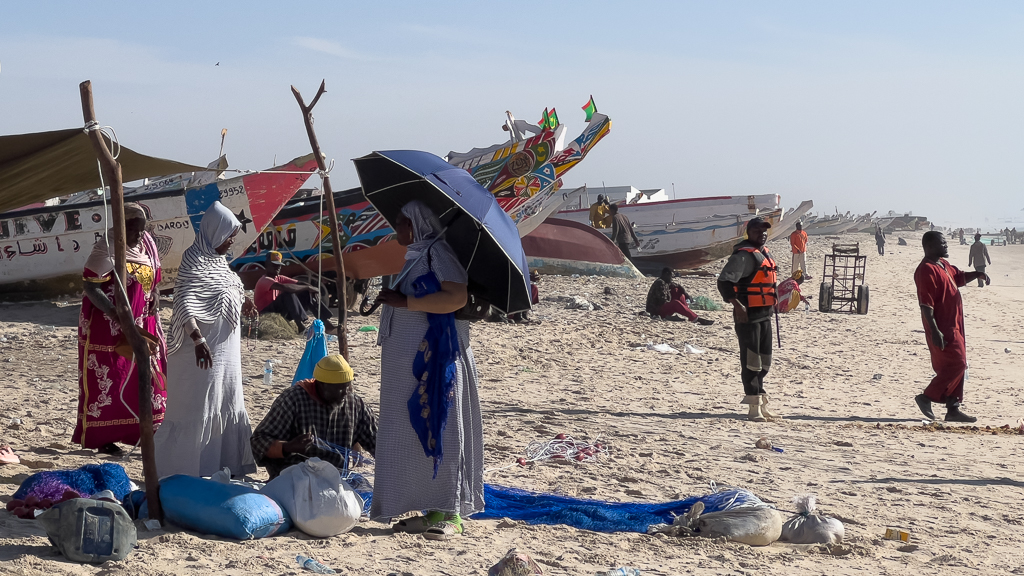
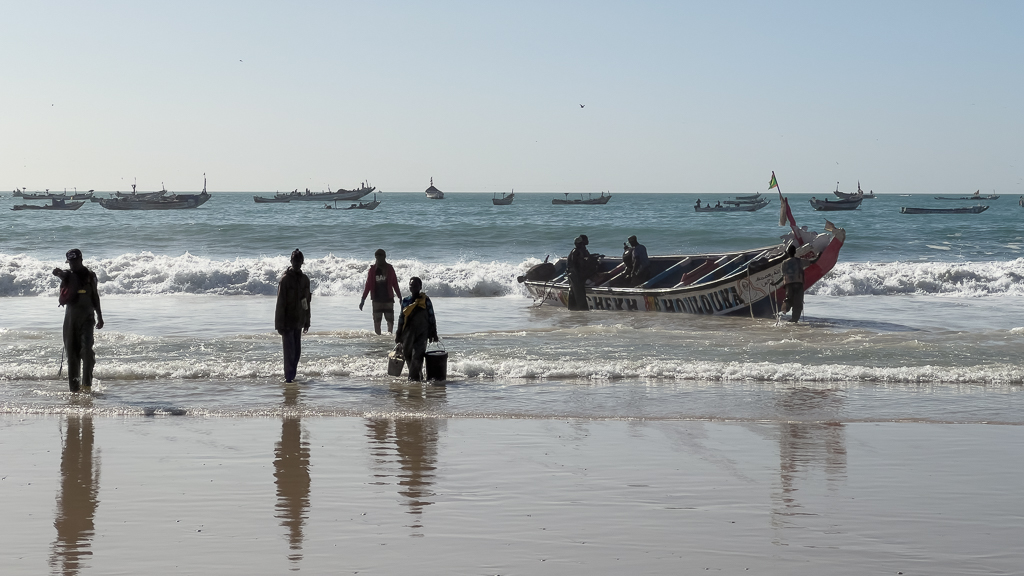
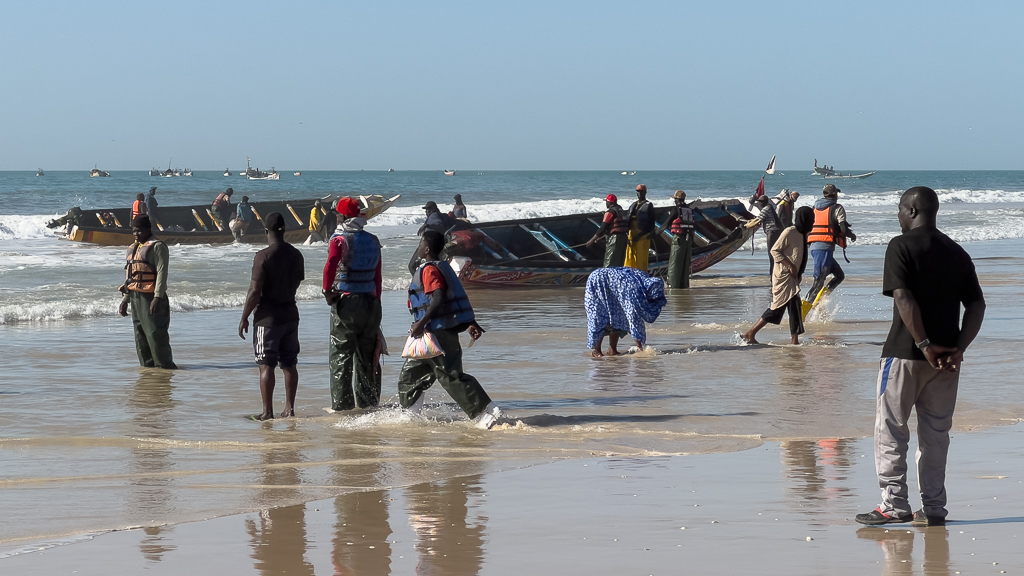
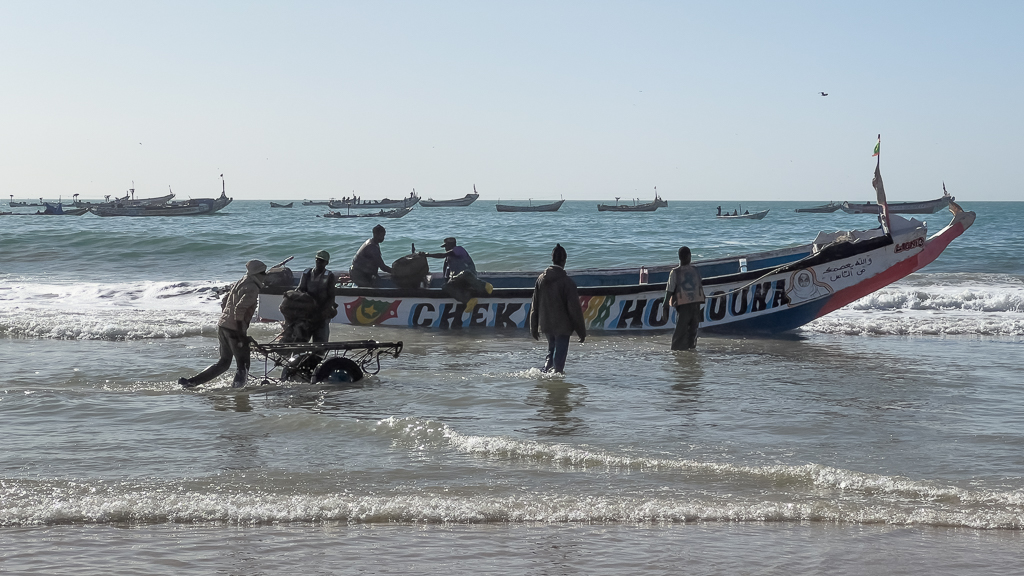
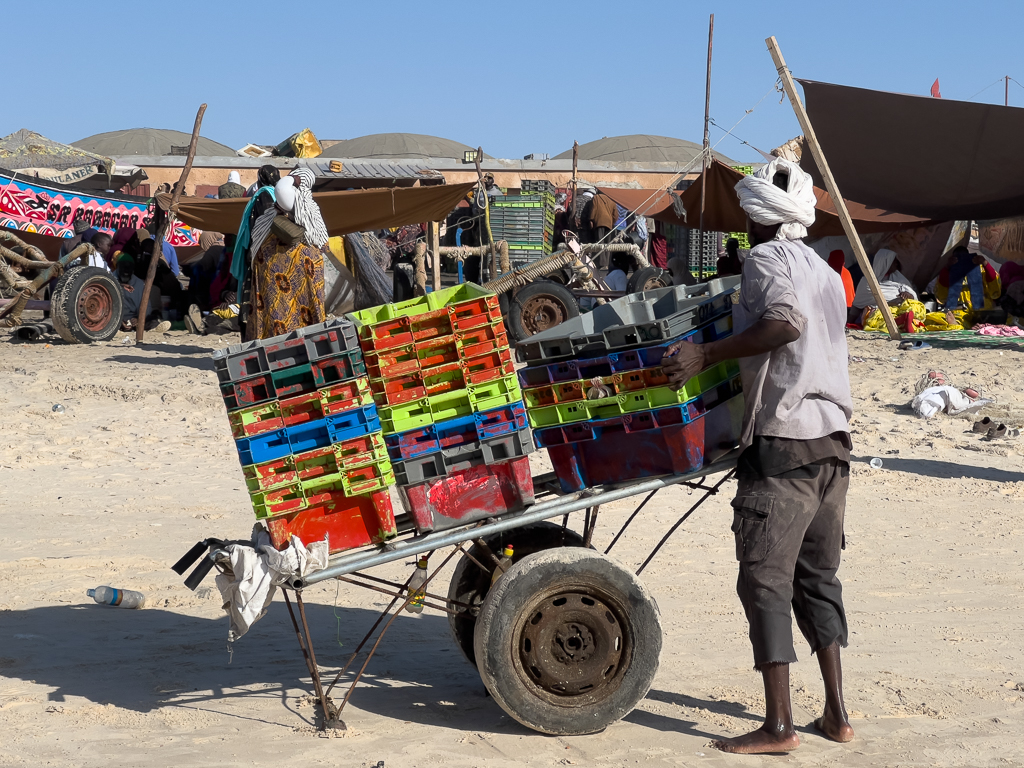
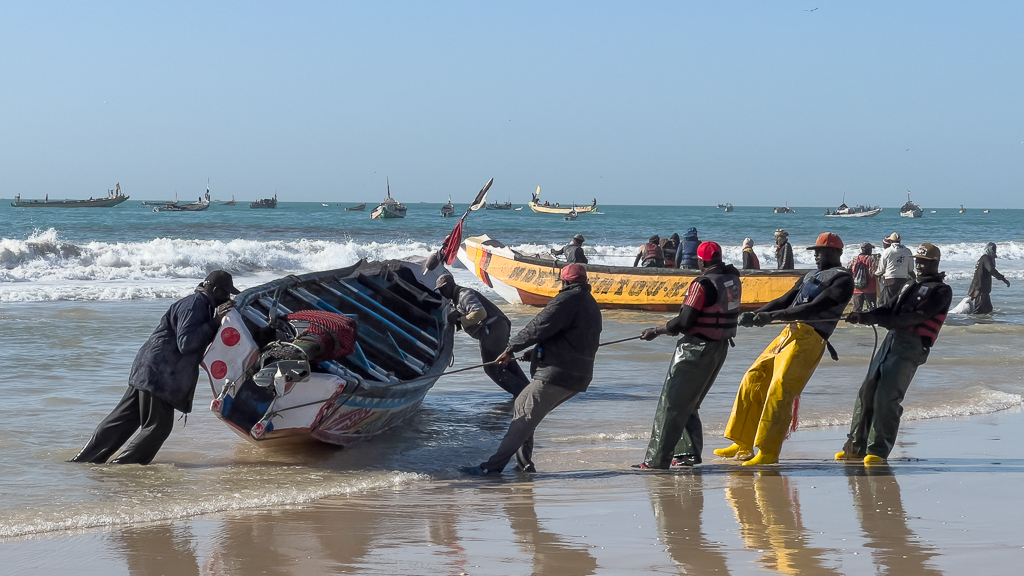
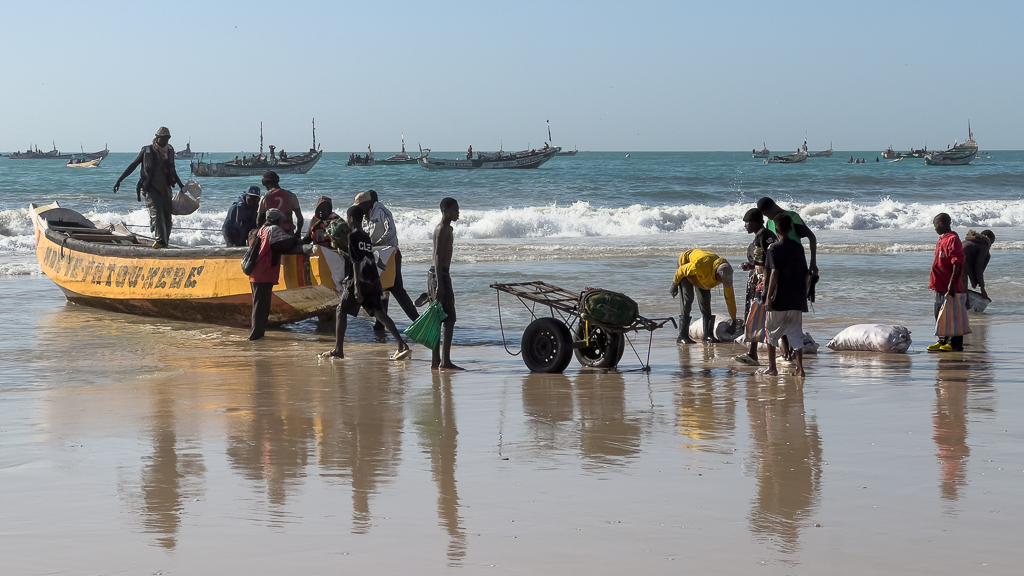
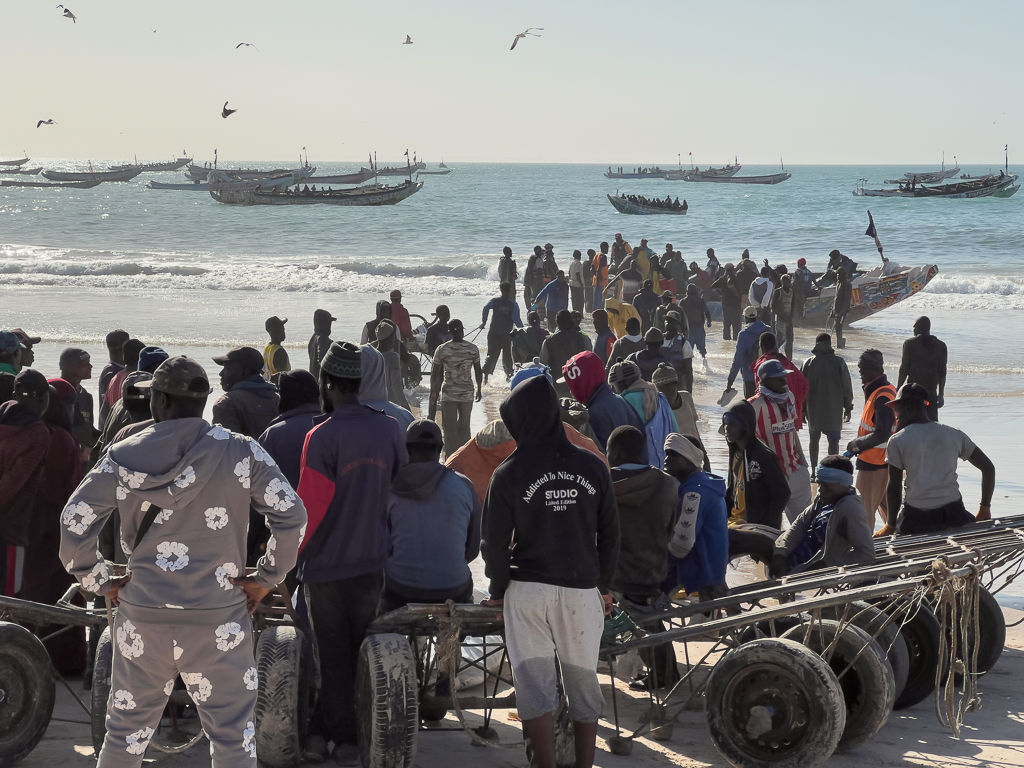
If you are in Nouakchott, I would highly recommend visiting the fish market, but take a local guide.
The next morning, we continued our trip to Chami, where we stayed again at the Hotel Gouffa.
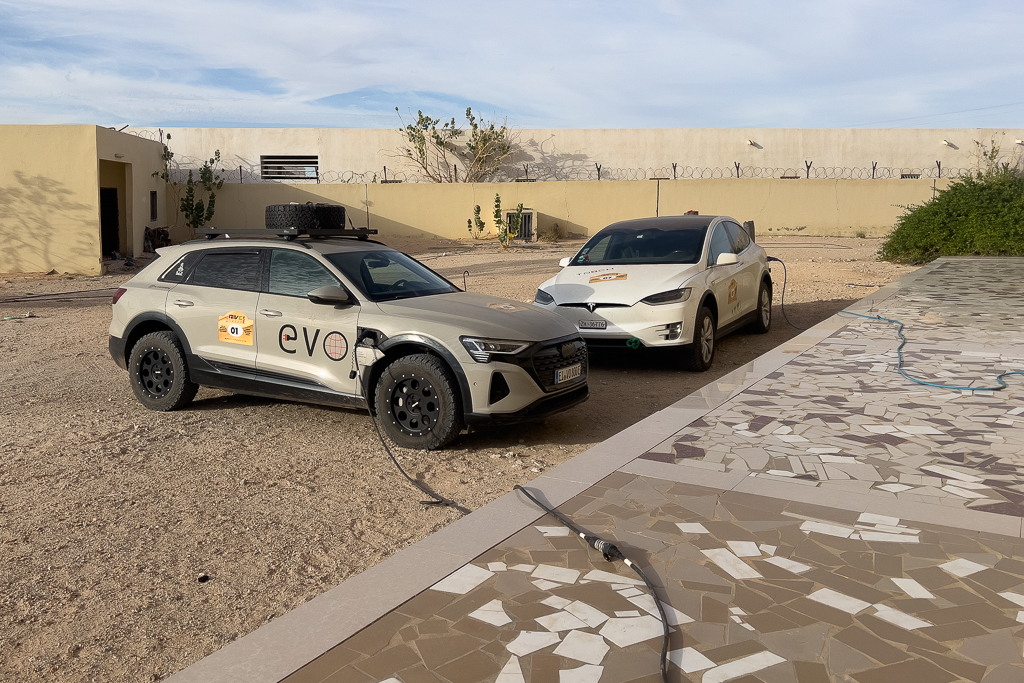
For charging, we wanted to use the CEE32 plug that Ayoub had installed during our last stay.
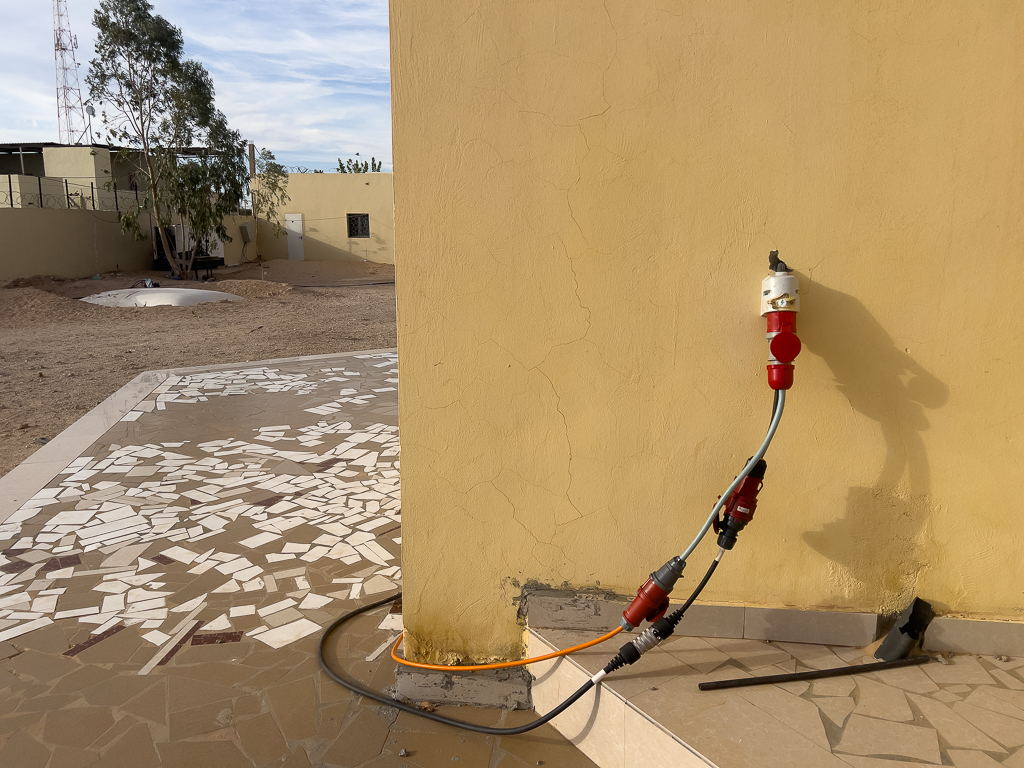
But in the evening, there was a power outage in a larger part of Chami. It had very likely nothing to do with our cars. The power supply in this region is just not stable, and it happens all the time. We were just lucky so far.
For exactly this case, the Gouffa Hotel has a diesel generator. About an hour later, they started the generator.
The problem is that a generator often leads to high voltage fluctuations. And as you know from my last post, the NRG Kick doesn’t like undervoltage or overvoltage at all. As a result, Hans wasn’t able to charge his Tesla during the night. Luckily, around 8:00 a.m., the power outage ended, and we could charge the Tesla in about an hour to 100% to explore the desert around Chami.
 EV Overlanding