
This was our last day in Mauritania. Another border crossing was ahead of us. This time to Senegal.
We left the Aloe Emira Hotel in Nouakchott directly after sunrise.
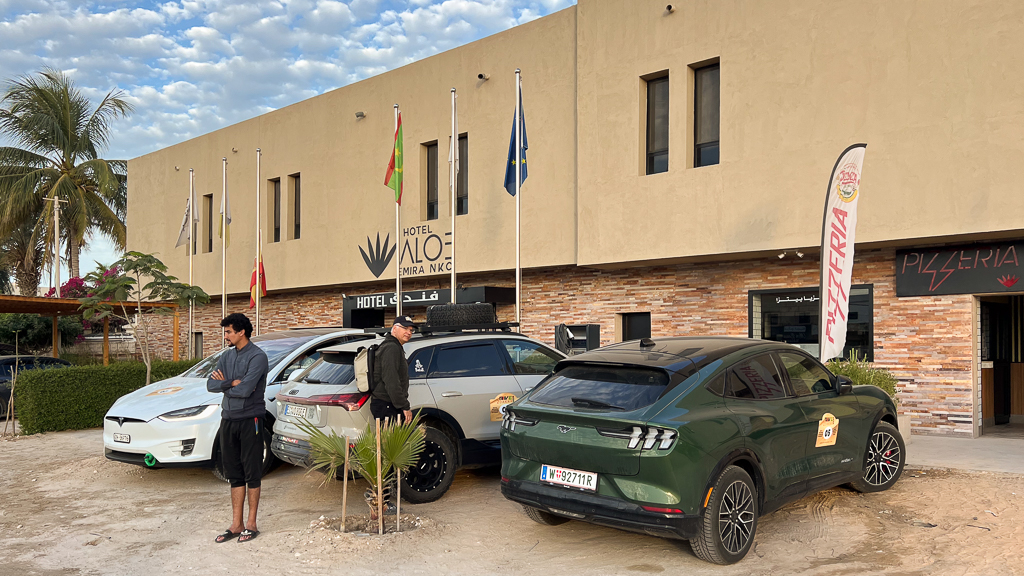
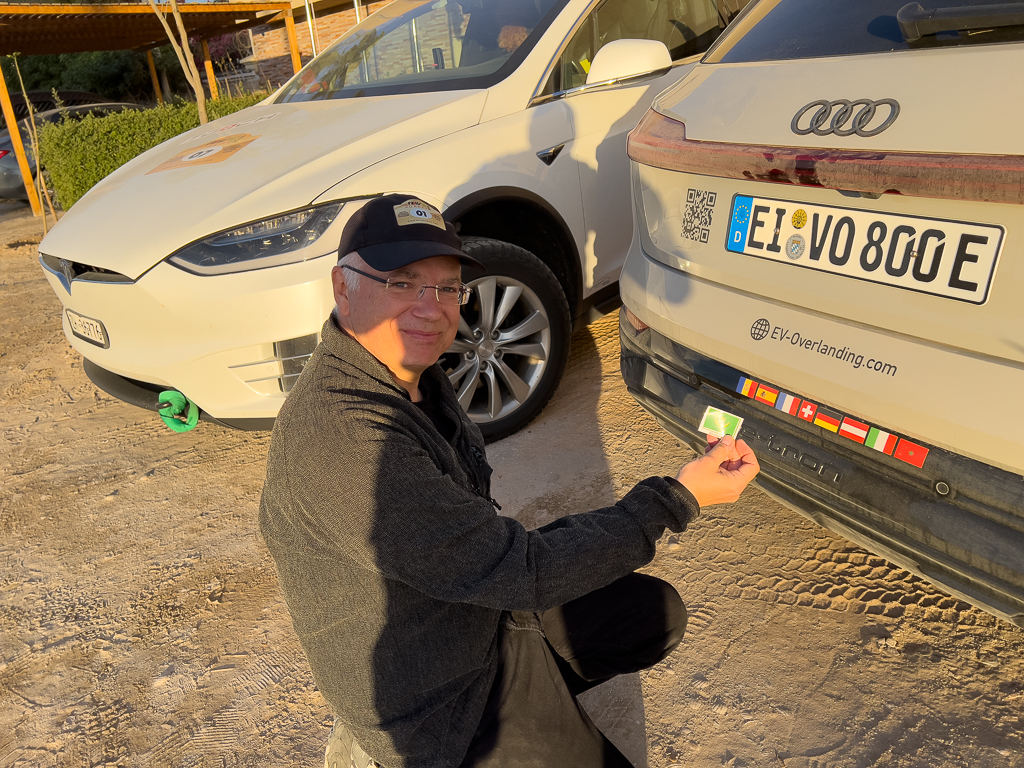
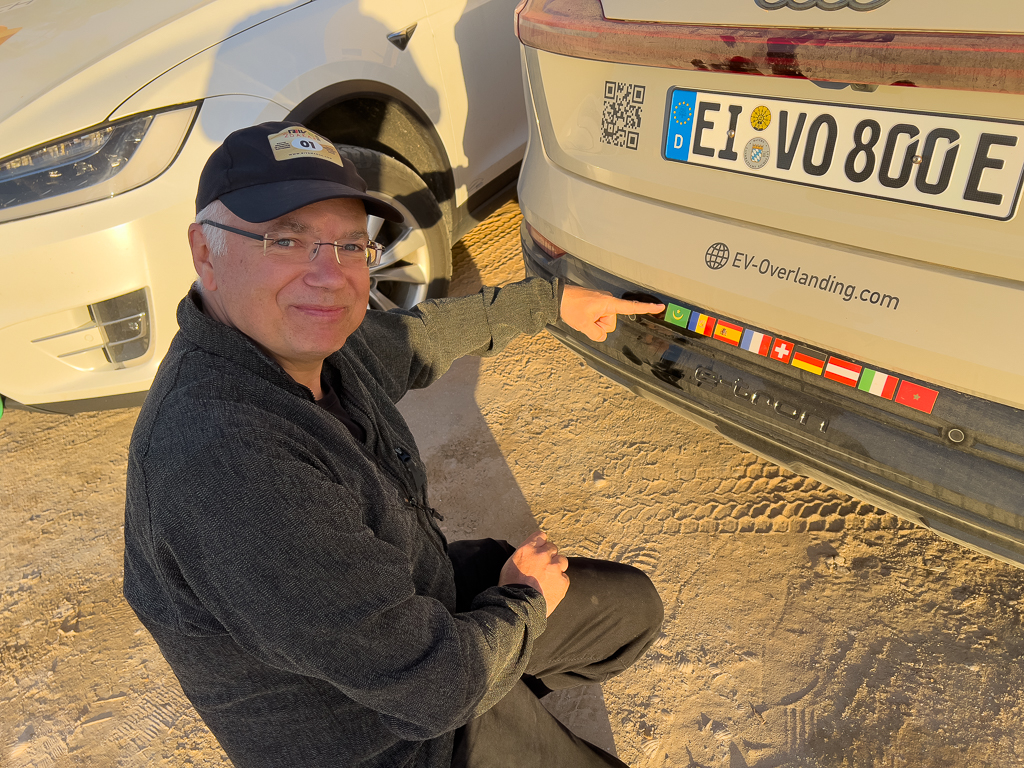
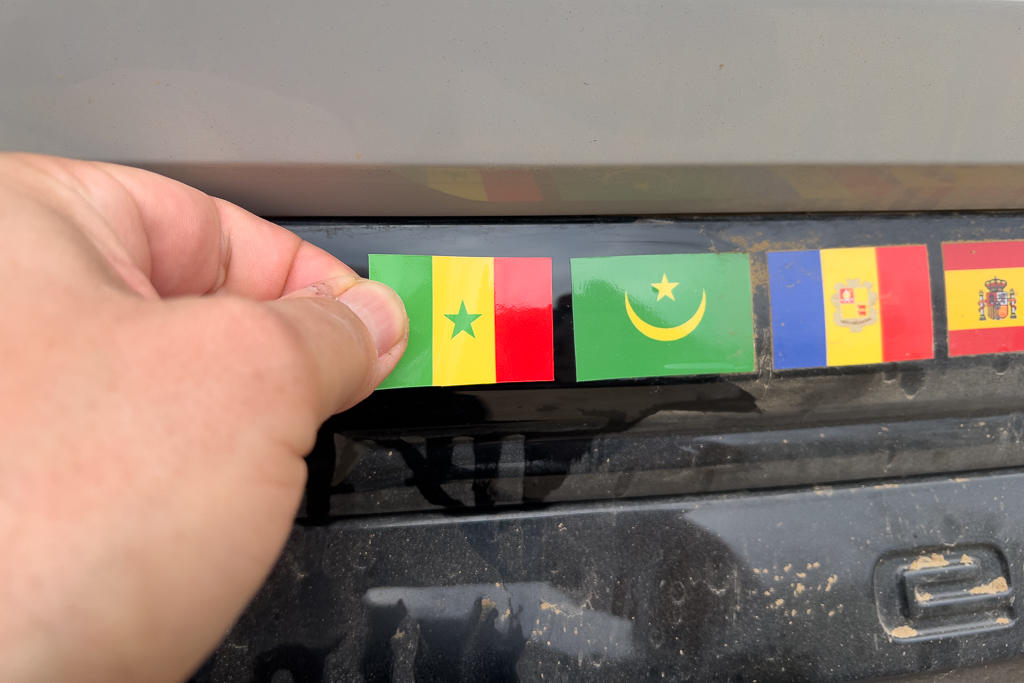
But before, I added the Mauritania flag to my car.
There are two possible border crossings to get from Mauritania to Senegal: Rosso and Diama. The road to Rosso is completely paved. All heavy trucks and commercial traffic are therefore using Rosso. But Rosso is also well known as one of the most challenging borders in Africa, with endless discussions and lots of corruption. Many people have spent days at the border and paid hundreds of € before they were finally able to enter Senegal. Therefore, everybody was recommending using Diama instead.
To get there, you have to cross the Diawling National Park on a dirt road.
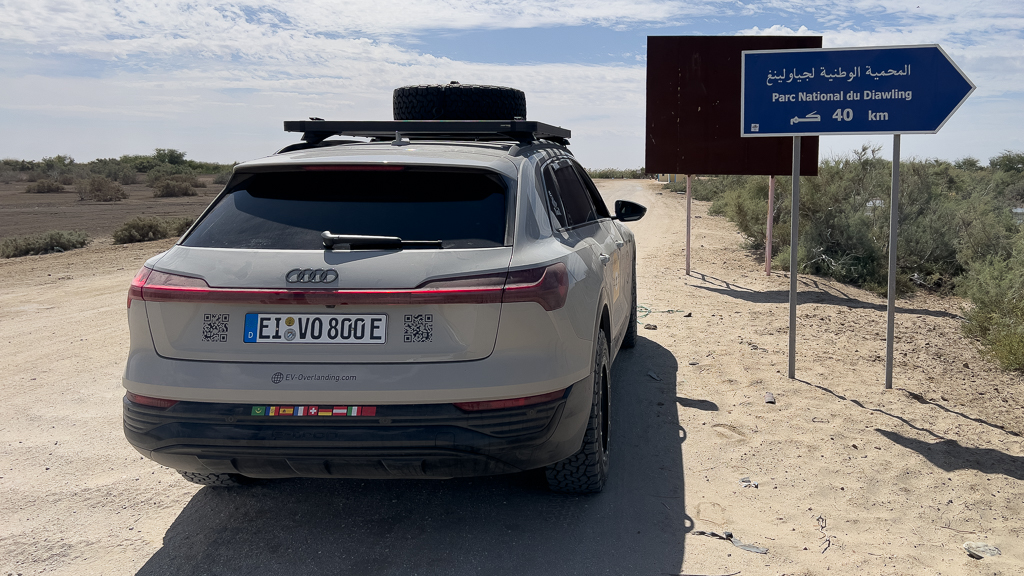
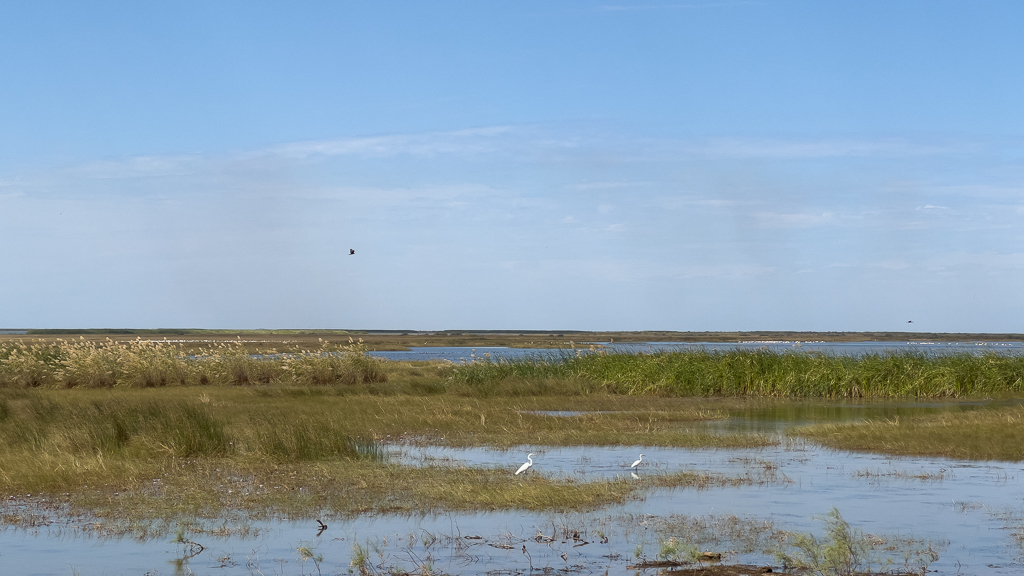
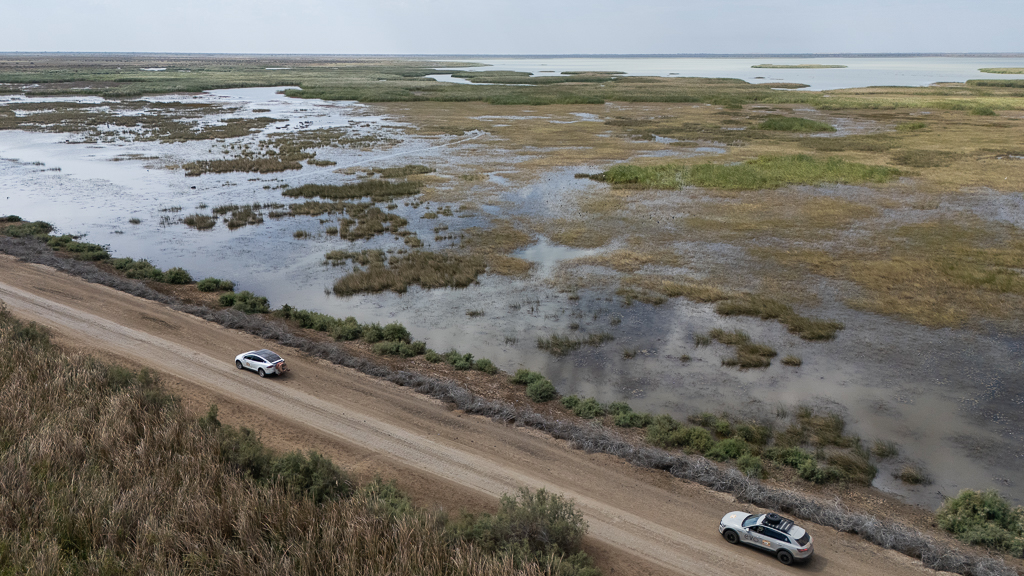
This road leads through some interesting areas of wetlands and dried-out lakes.
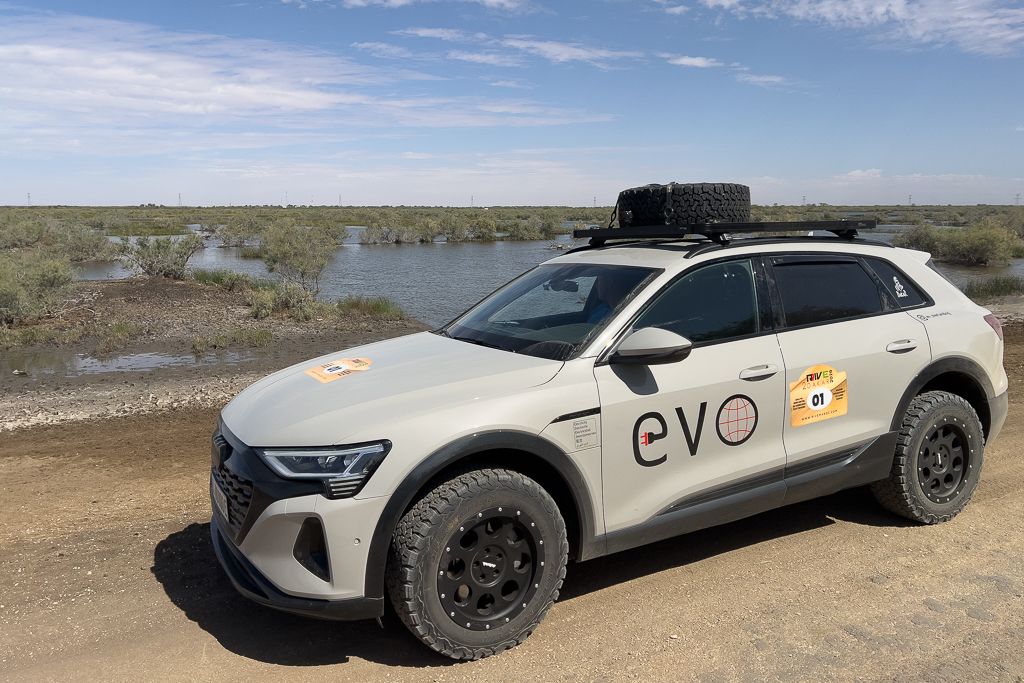
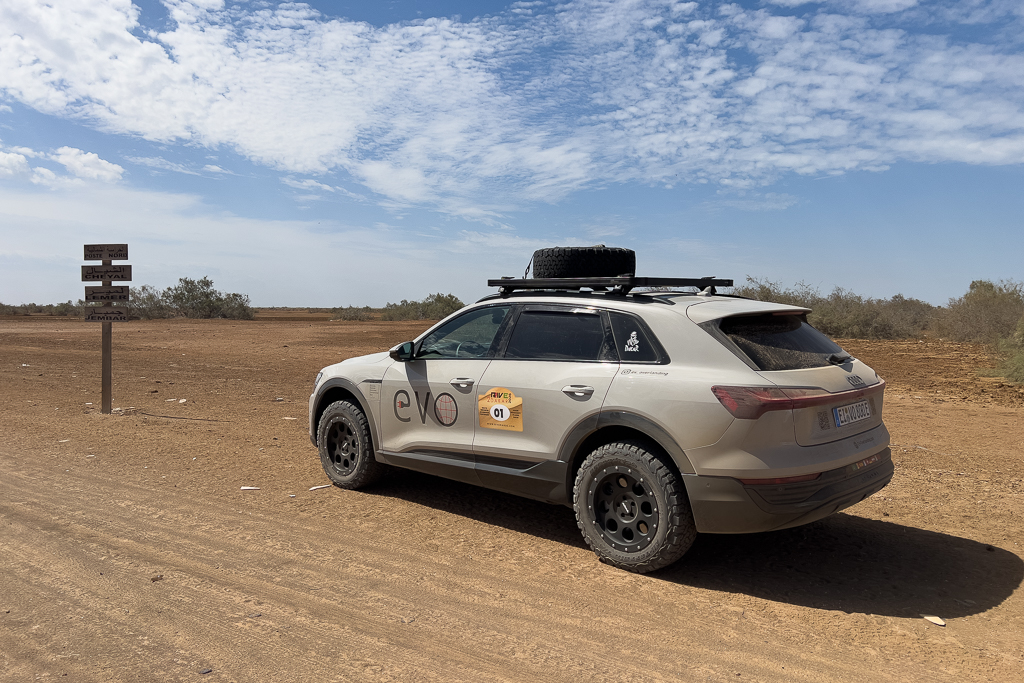
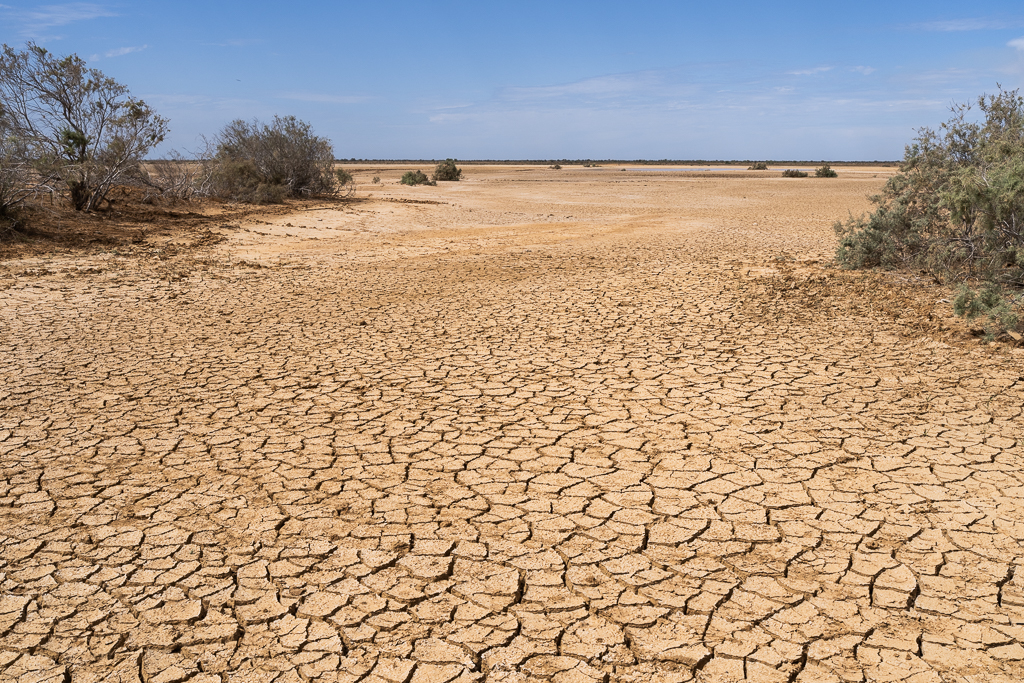

The Diawling National Park was established in 1991. It lies around the Senegal River delta and is an important wildlife sanctuary. Over 220 bird species have been identified in the park. It is also a popular bird-breeding site because of the mixing of fresh and salt water in the Senegal River delta.
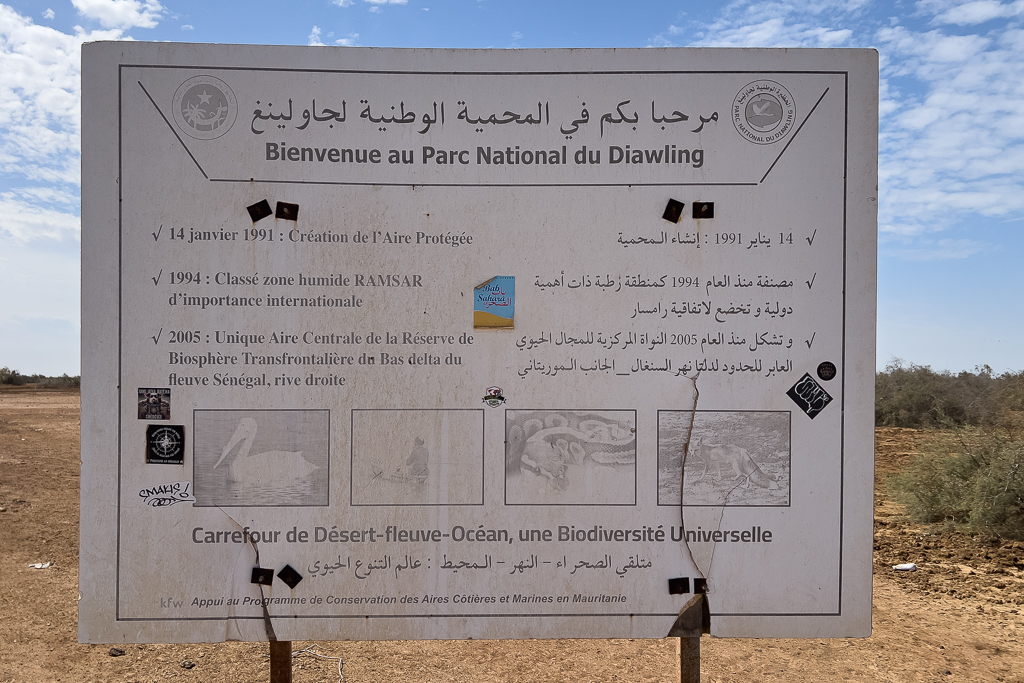
Sadly, it is also a high-risk area for Malaria. We didn’t take any prophylaxis but used 50% DEET mosquito repellent for protection instead. Hopefully, this was sufficient. We will know it in a couple of weeks.
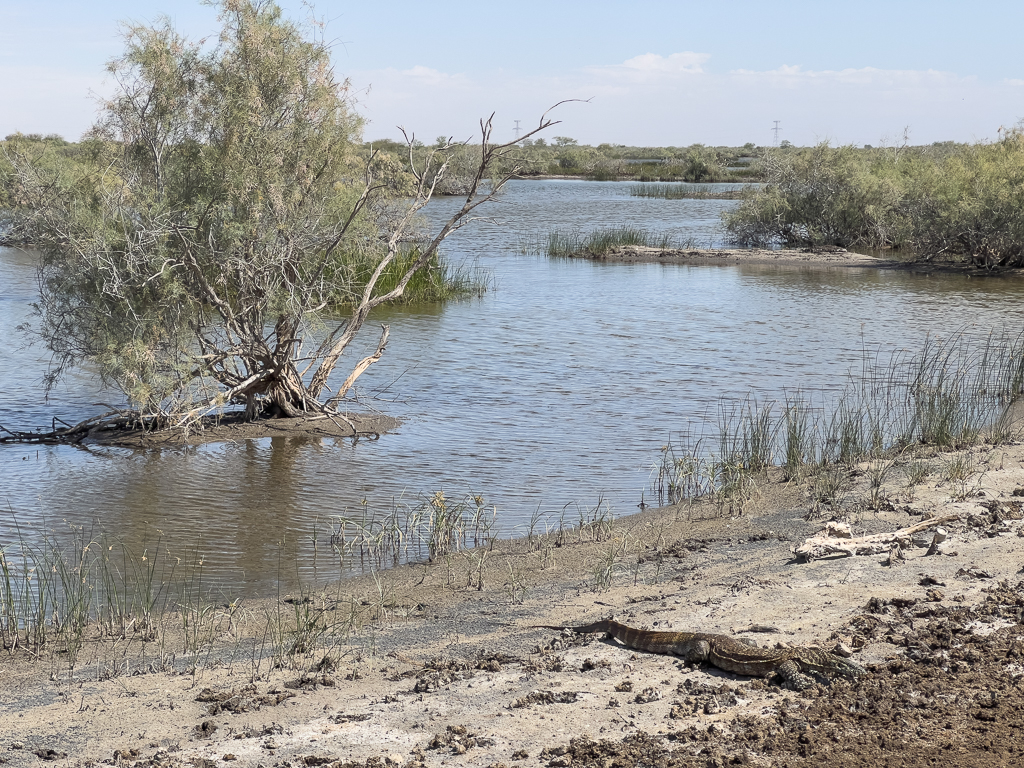
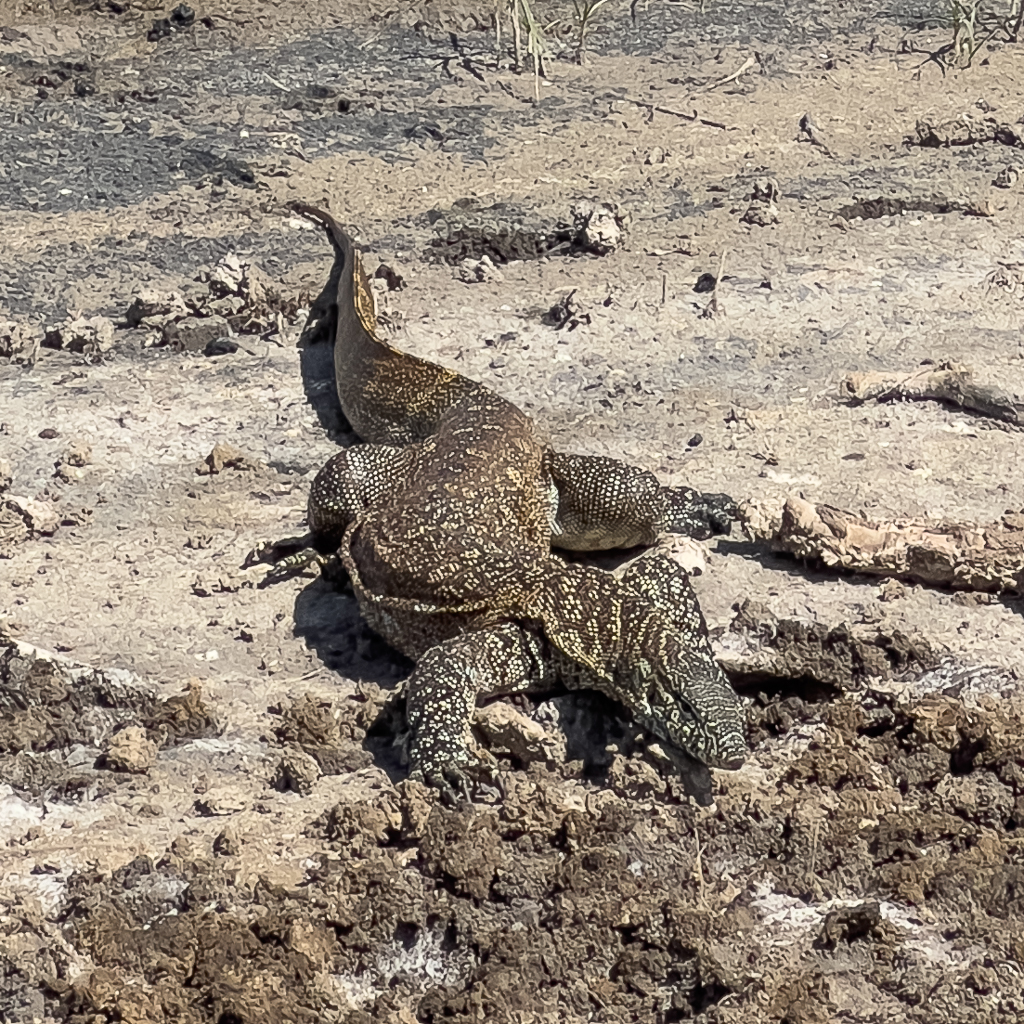
The first interesting animal that we saw was a Savannah Monitor Lizard (Varanus exanthematicus).
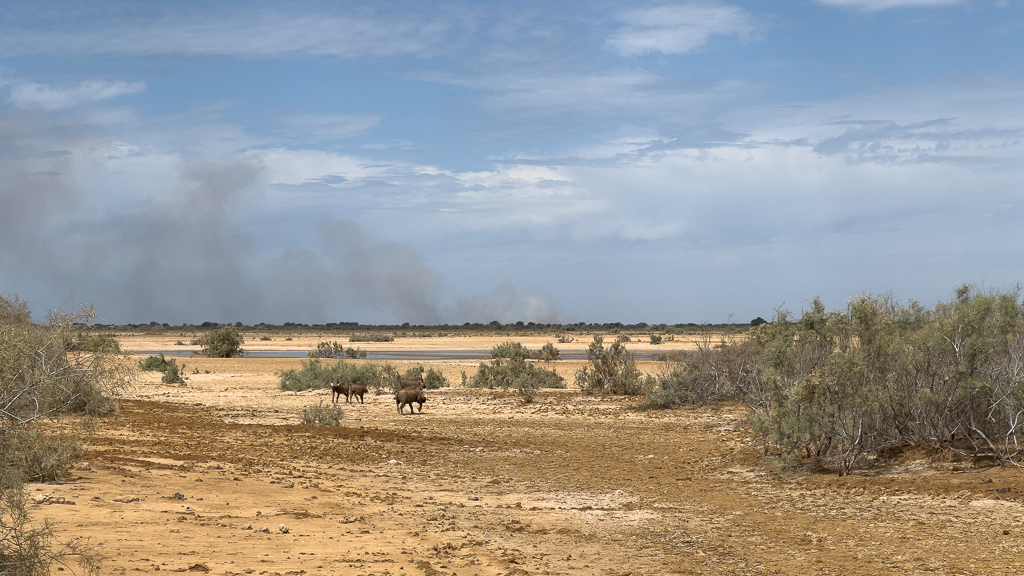
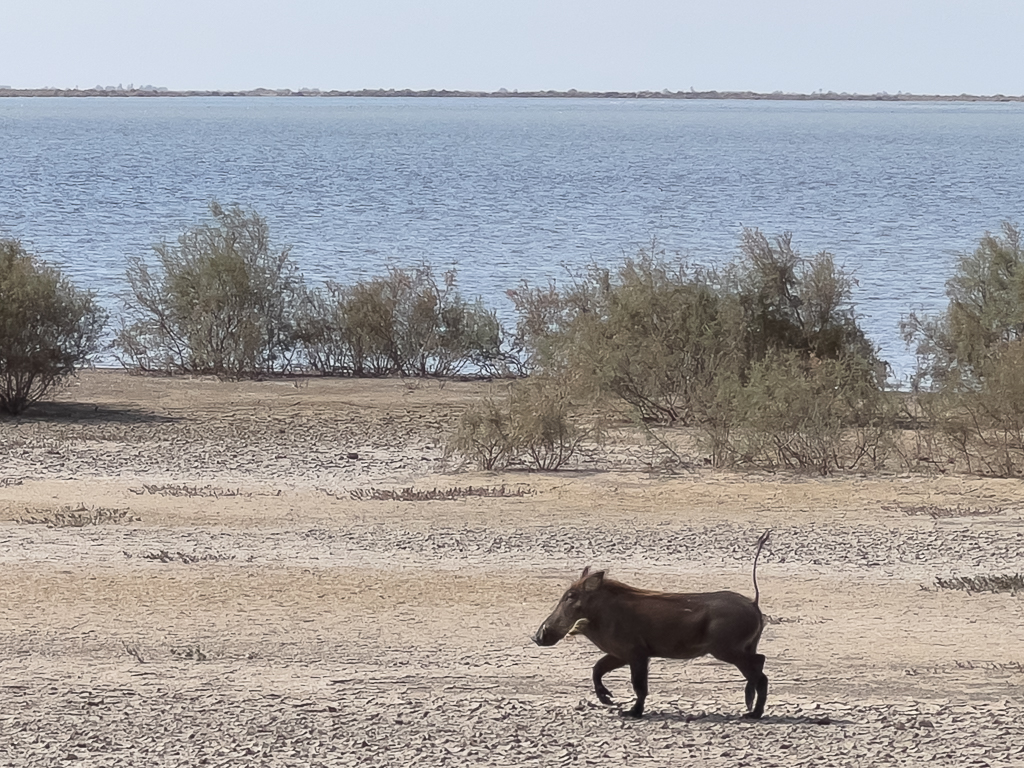
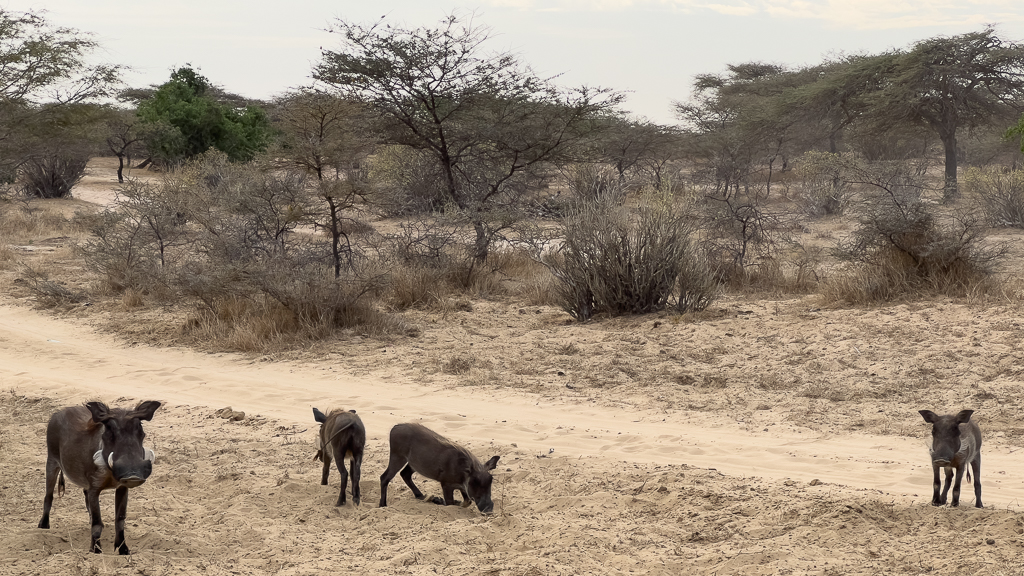
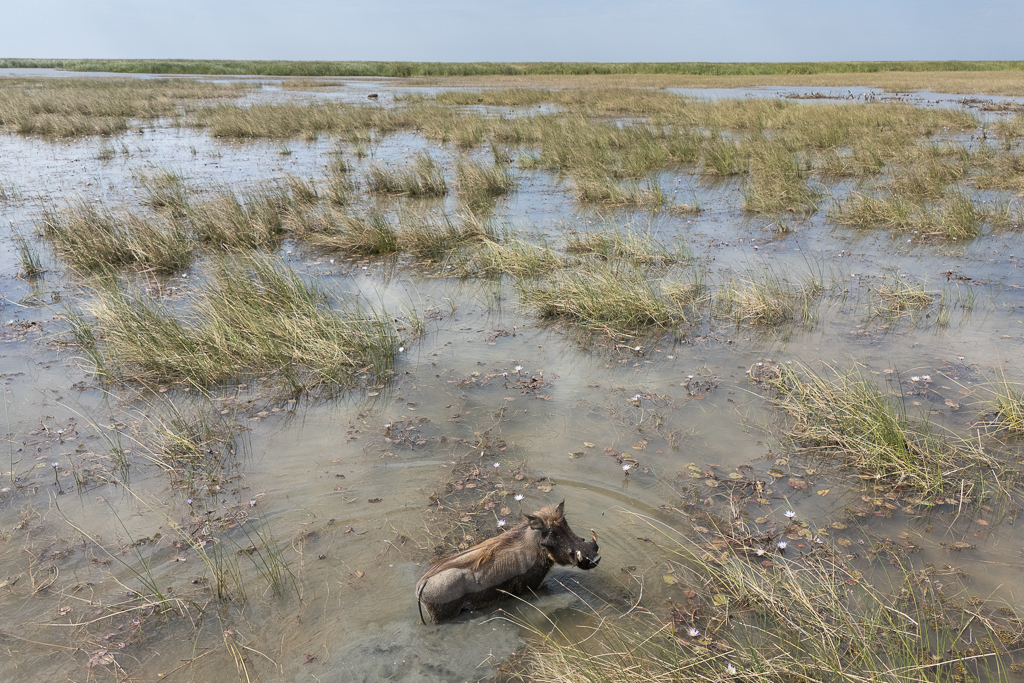
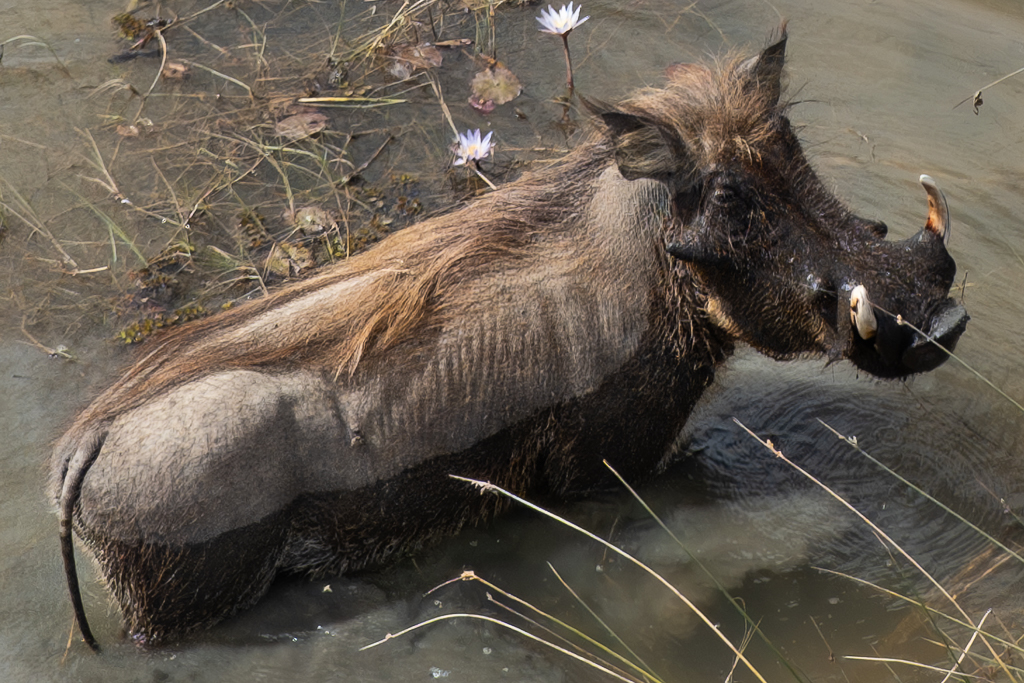
Warthogs are very common throughout the park.
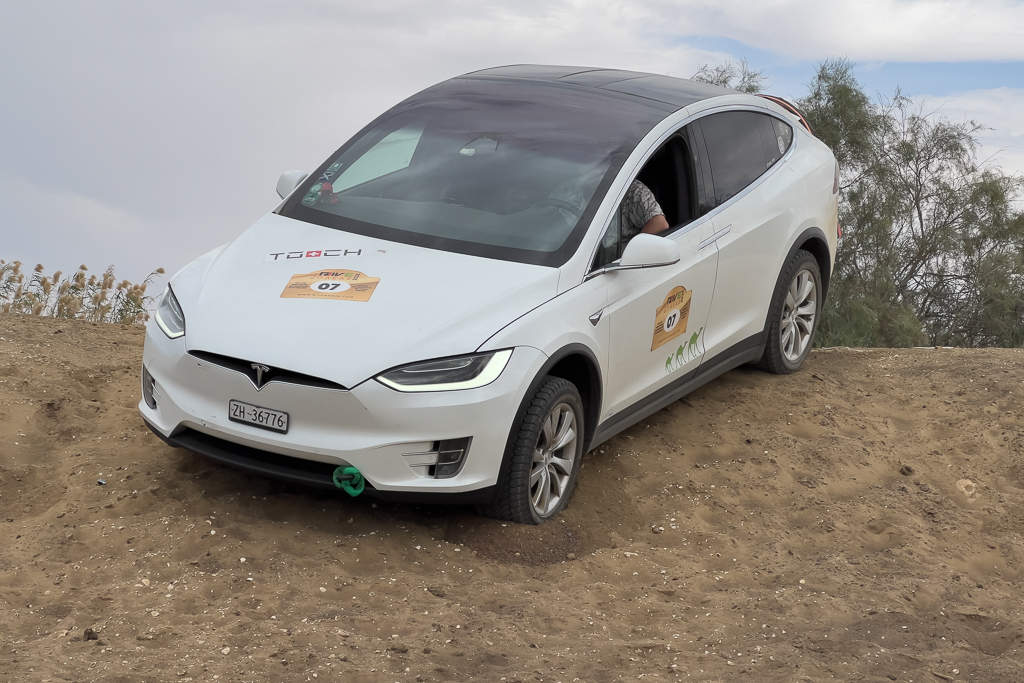
The track through the park has huge holes and corrugations. Not a big problem for 4x4s or SUVs, but other cars can really struggle on that track. And you have to drive very slowly. More than 20 km/h is rarely possible.
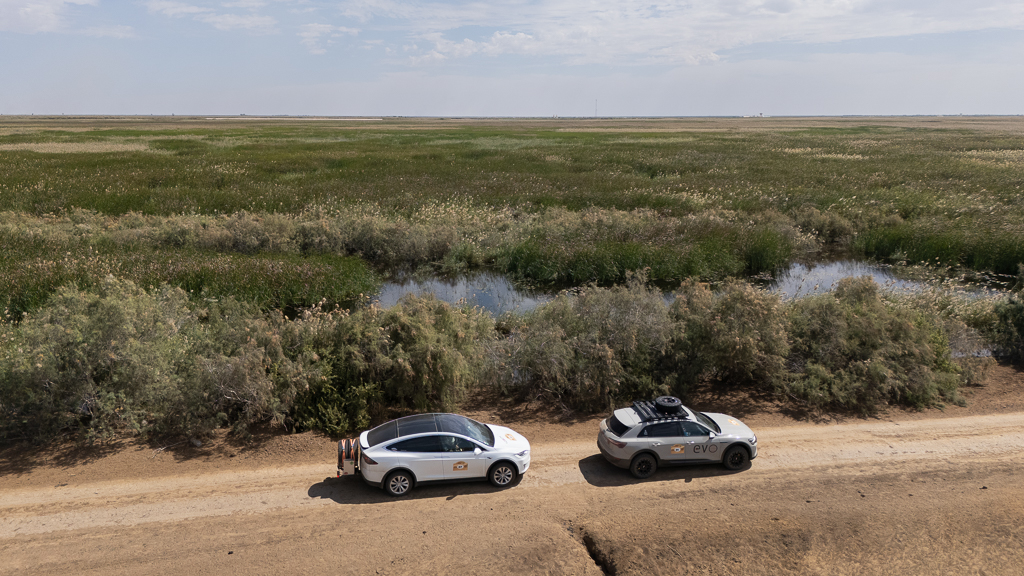
But there is an alternative way to reach the Diama border. It doesn’t lead directly through the park but instead takes a detour via Port de N’Diago. It’s a significantly longer route, but since 50% of it is paved, it’s much faster to drive.
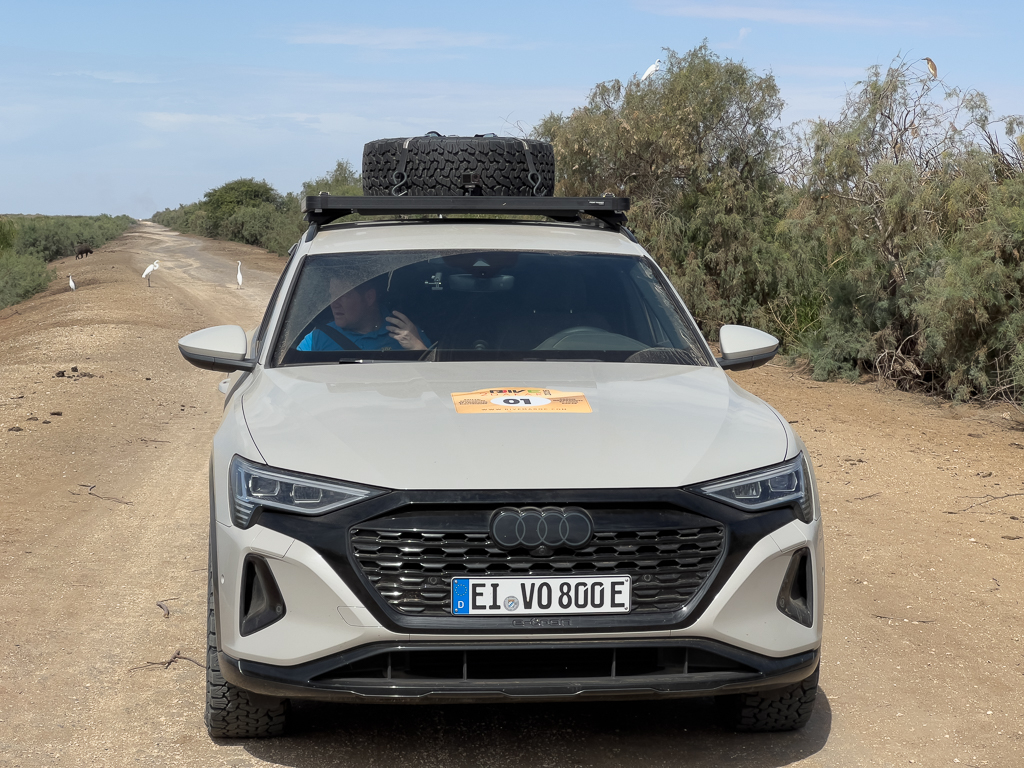
We split our group. Hans and I were taking the direct track through the park since our cars have a high ground clearance, while Silvia and Doris were taking the detour via Port de N’Diago to protect their cars.
On the direct way through the park, you typically have two tracks that you could follow: an upper track on a dam and a lower one next to the dam.
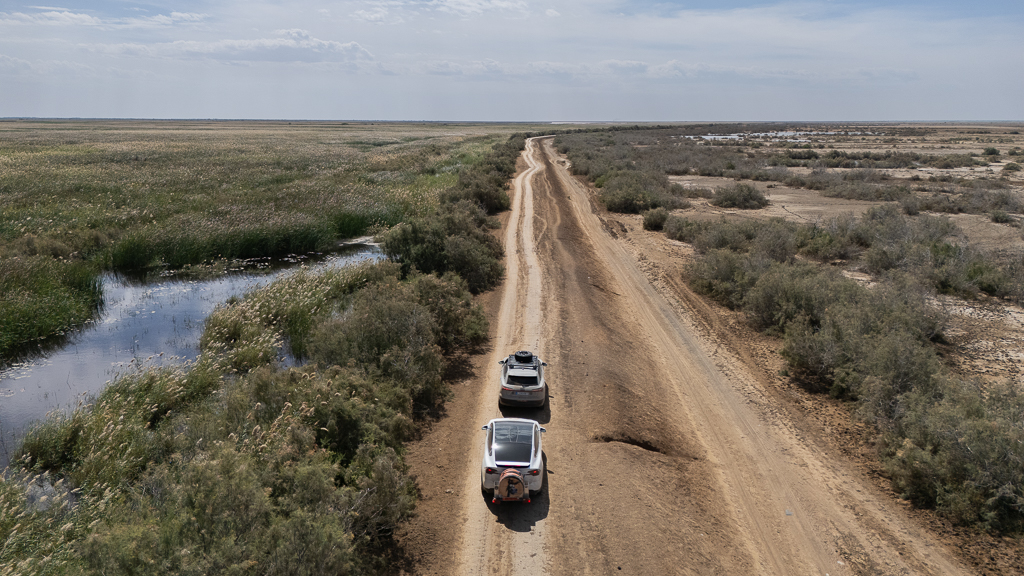
Sometimes the upper track was better, and sometimes the lower.
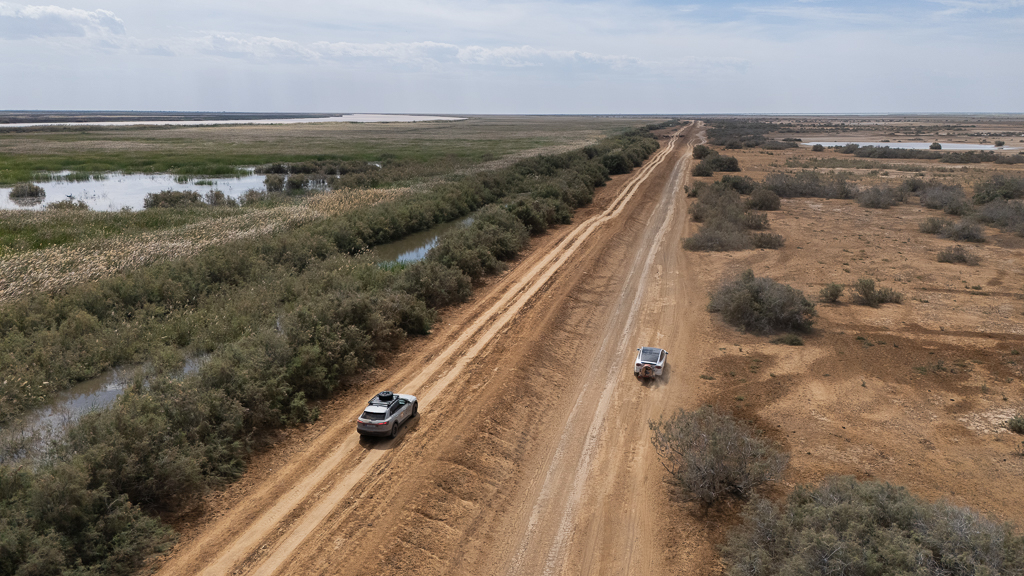
Therefore, we often had to change between the two.
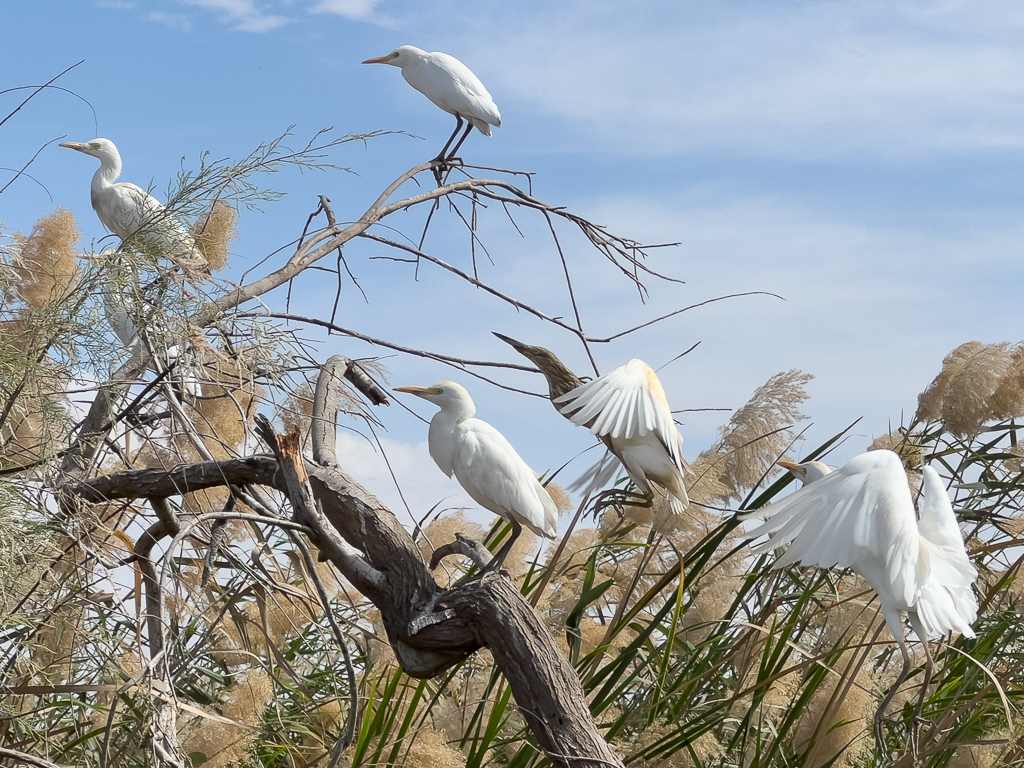
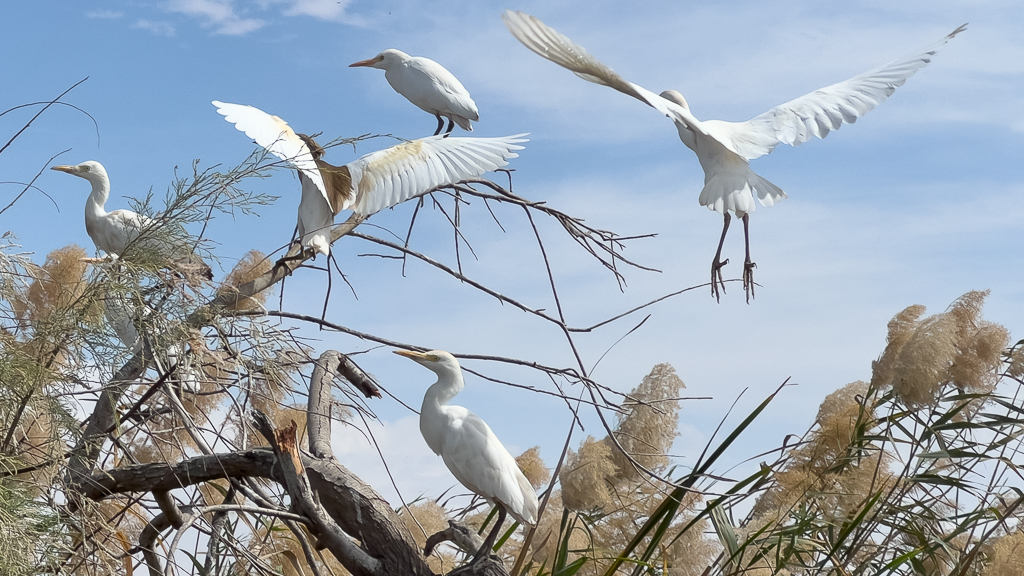
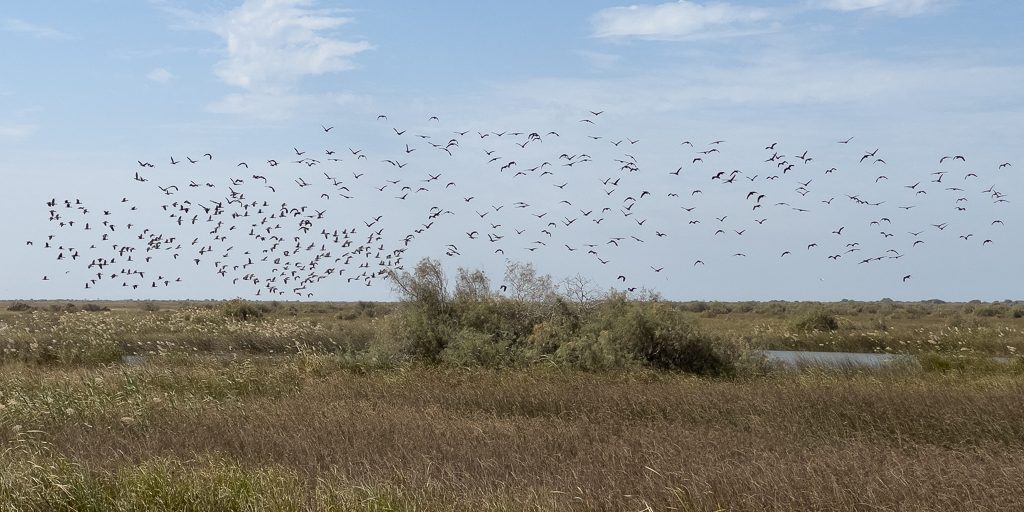
The birdlife was really impressive in the park.
There are a couple of small fishing villages located inside the park.
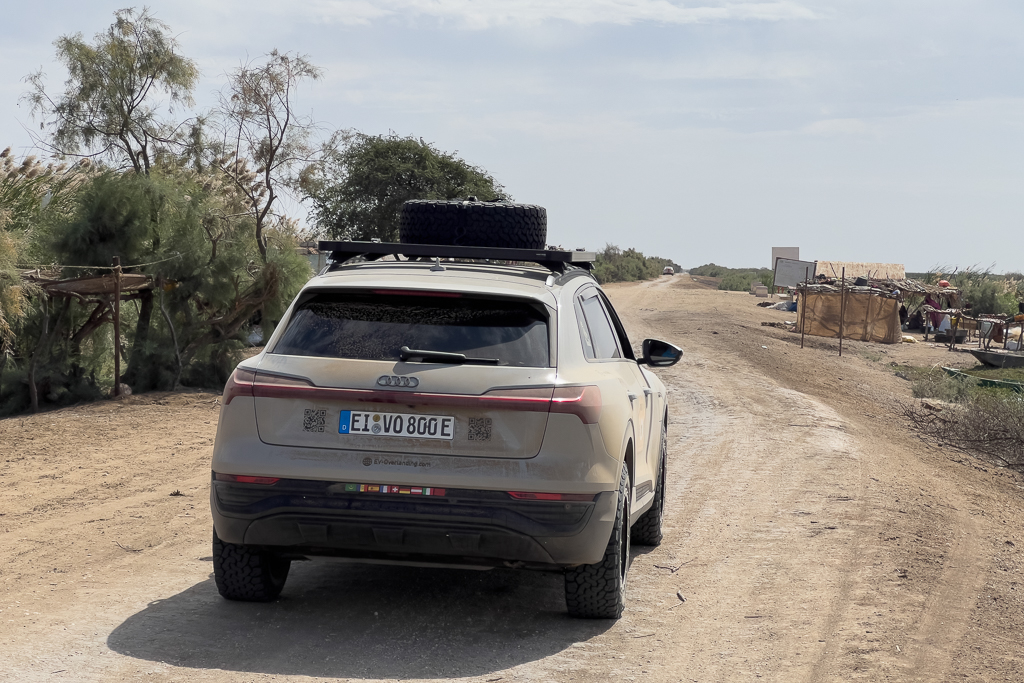
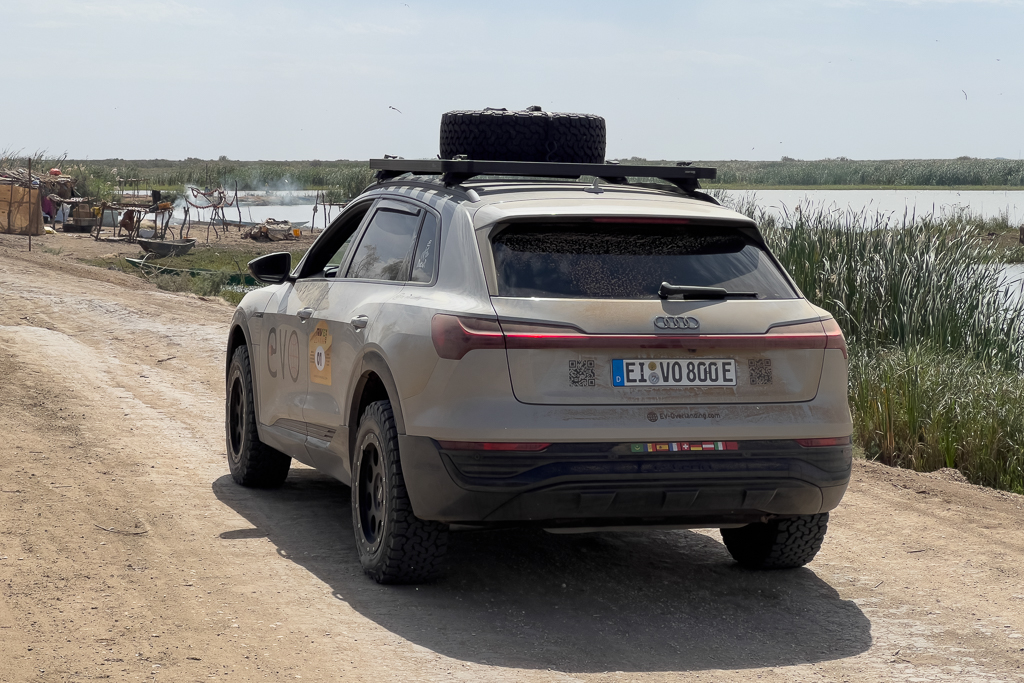
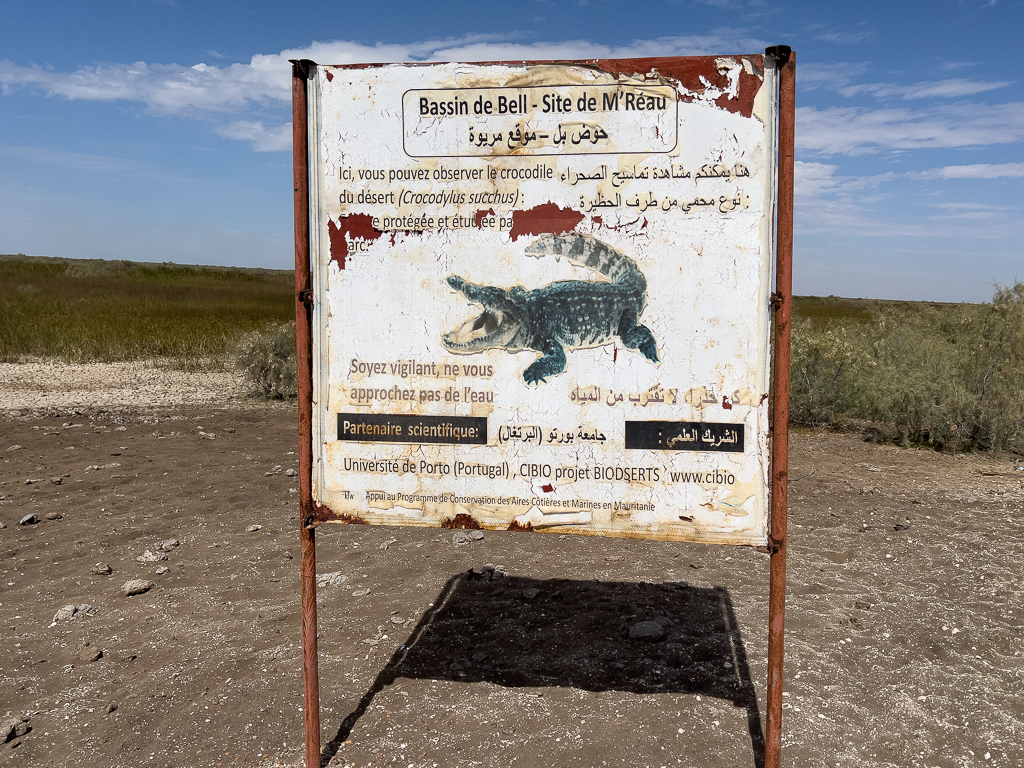
There is also a chance to see crocodiles in the park. We looked everywhere, but sadly didn’t see any.
At least warthogs were everywhere.
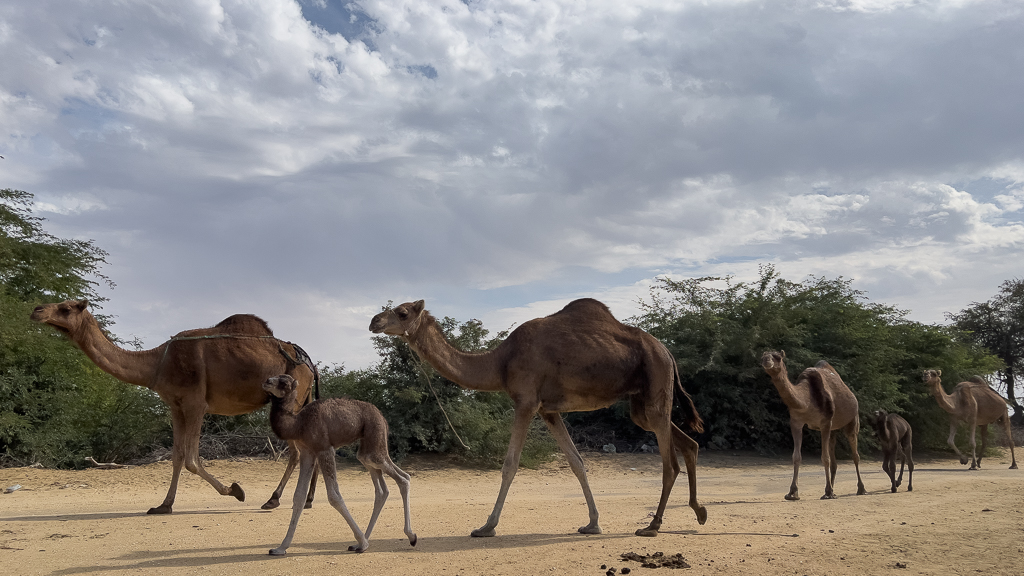
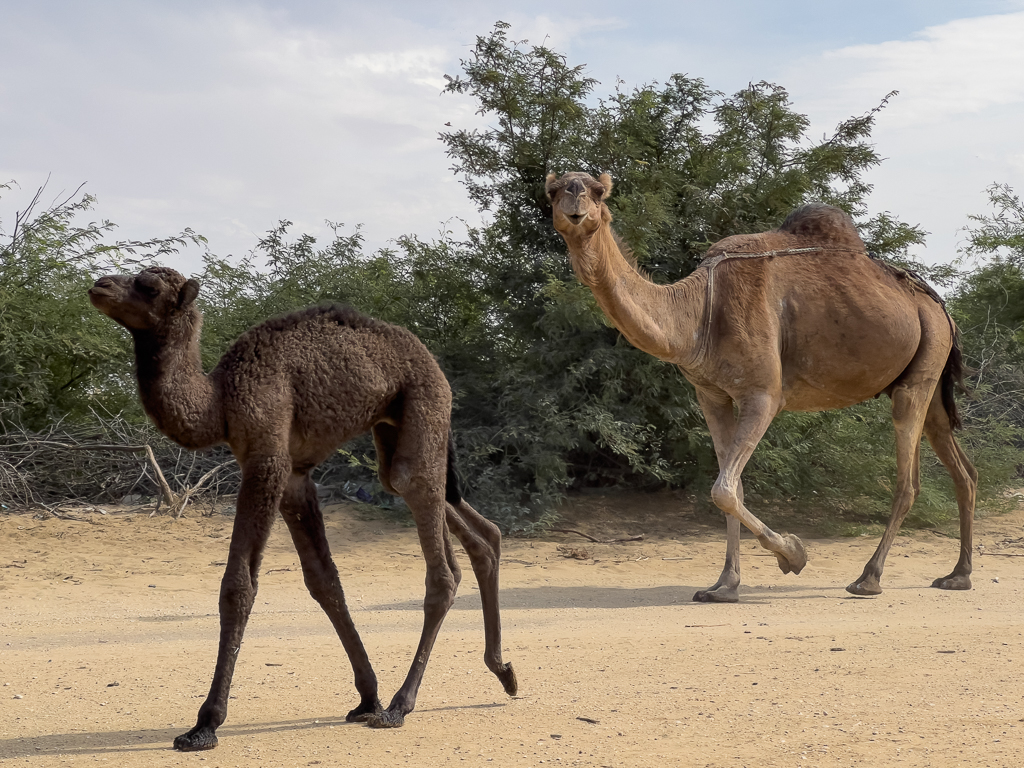
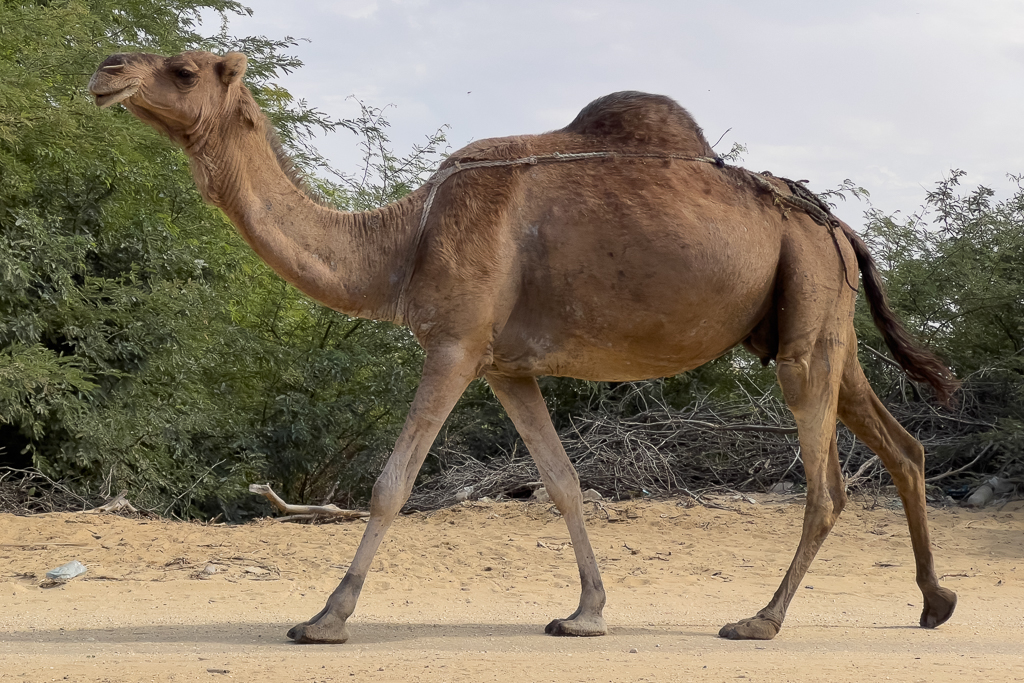
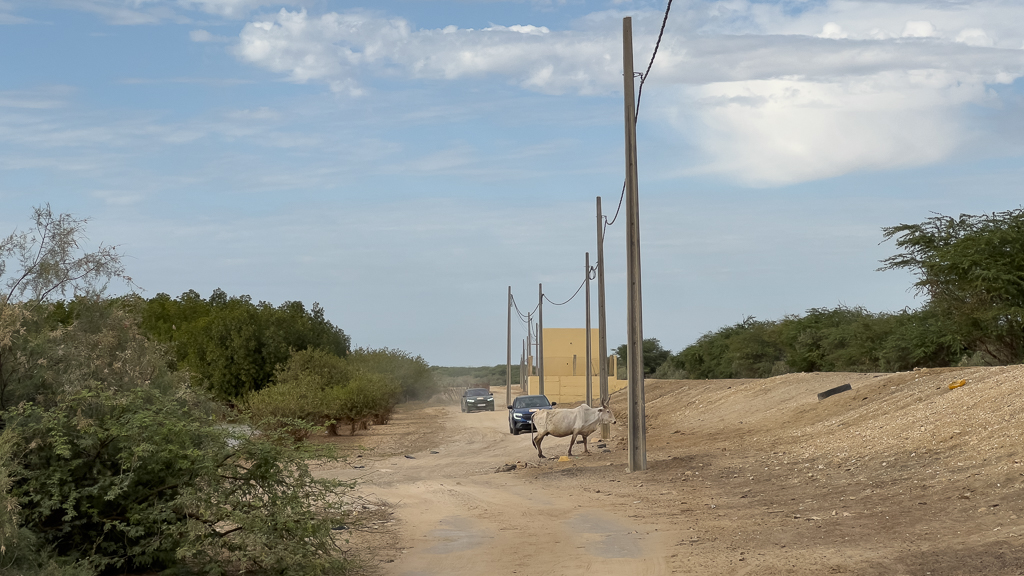
And we also found camels in the park.
About one km before the border, we waited for the other two teams to arrive.
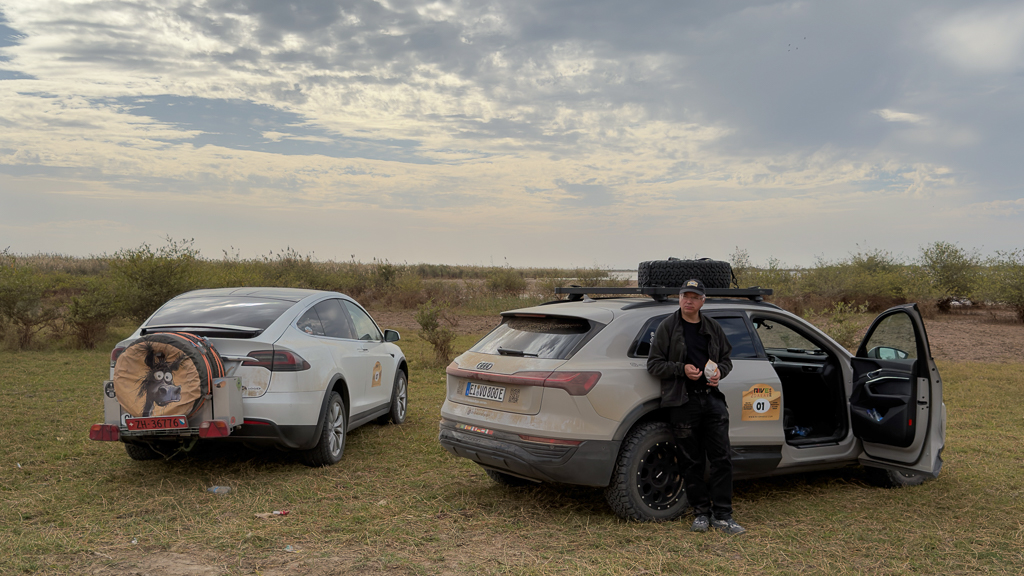
Due to some orientation problems, they missed the defined meeting point. And since there was no cellphone reception in the park, communication was a bit difficult. But luckily, they arrived about an hour later, and we were united again.
Due to the delay in reuniting the two groups, we arrived quite late at the border. It was already 5 p.m., but the Diama border was supposed to be an easy border crossing. Sadly, that wasn’t the case for us on that day. Getting out of Mauretania took about an hour but was otherwise easy. Immigration in Senegal was also easy. But then it got complicated. For the Passavants (temporary import permits) for our cars, they wanted to give us only 48 hours. In the past, five days were always granted; some people even got 10 days. And according to the officials at the border, the only place to extend the 48 hours was in Dakar.
The problem was that our electric cars had only about 100km of remaining range at the border. And we knew that at our planned campsite, the Zebrabar, charging would be slow (likely 2-3 days on 6A single phase). Normally not a big deal since it is supposed to be a lovely place, and we urgently needed some rest days. But due to these limitations, getting within 48 hours to Dakar to extend our Passavants was just impossible. In addition, it was Friday evening, and on Saturday and Sunday, the office in Dakar is closed. So even with a non-electric car, 48 hours was just not doable. We had a heated discussion at the border, but couldn’t convince the officials to give us a few more days.
We then discussed our options and decided to camp between the two borders in the no man’s land with the hope that the decision the next day might be different. But they told us that if we went back to the Mauretanian side or the no man’s land, we would have to pay the bridge fee again the next morning. In addition, they kept my passport, vehicle papers, and driver’s license, and were not willing to give them back to me. At that moment, I wasn’t really happy anymore and just wanted to get away from that border.
In the end, we called Martin from the Zebrabar, and he told us that he would find a solution in Saint-Louis for us and that we should accept the 48-hour limit for now and just come to his place.
We arrived at the Zebrabar at midnight. The border crossing took 5 hours altogether.
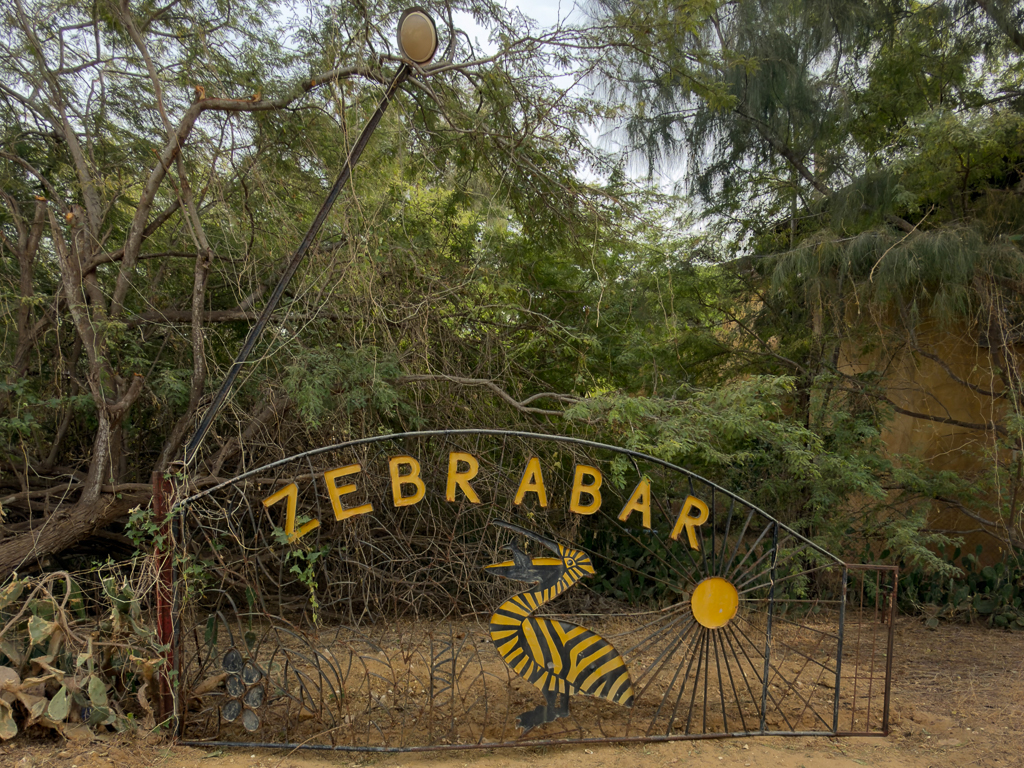
The Zebrabar is one of these legendary overlanding spots. It’s perfectly located close to the border. And every overlander stops here to either relax after a stressful border crossing or to gain some energy for the upcoming border crossing.
You can find all kinds of overlanding rigs there. On the one hand, there are the big expedition trucks costing a couple of hundred thousand €.
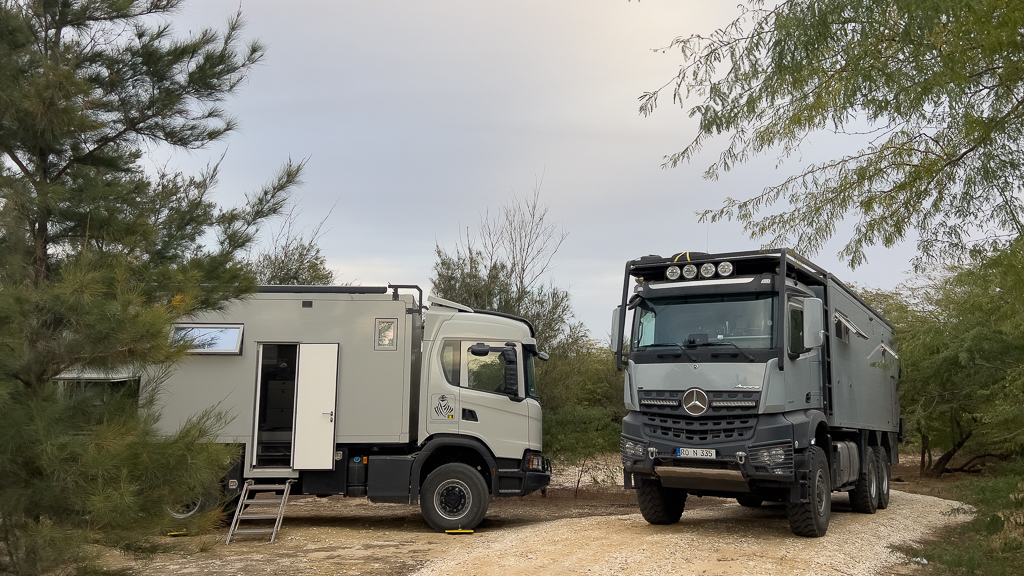
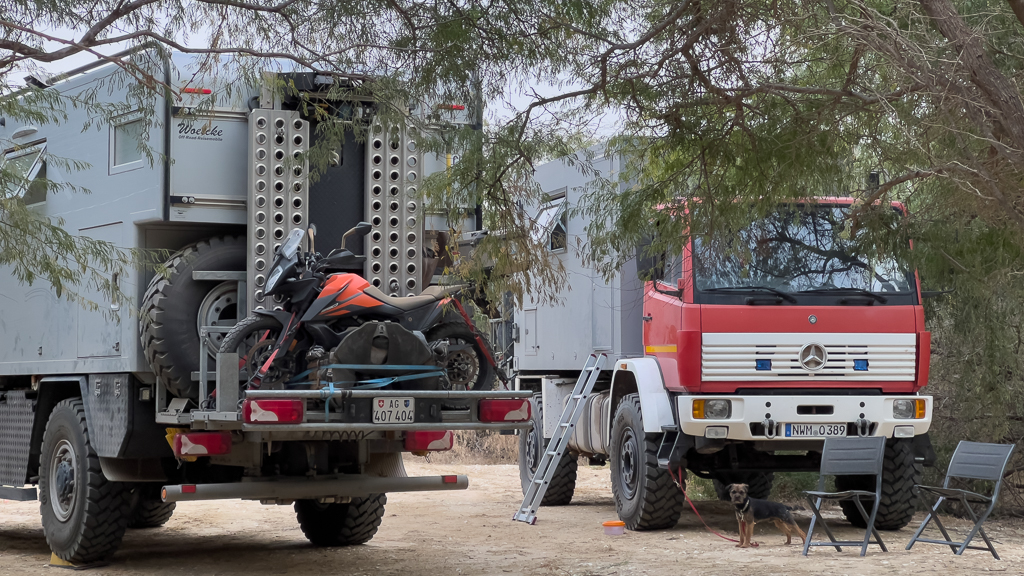
On the other hand are the junk cars that will be sold or donated somewhere in Africa and will never return to Europe.
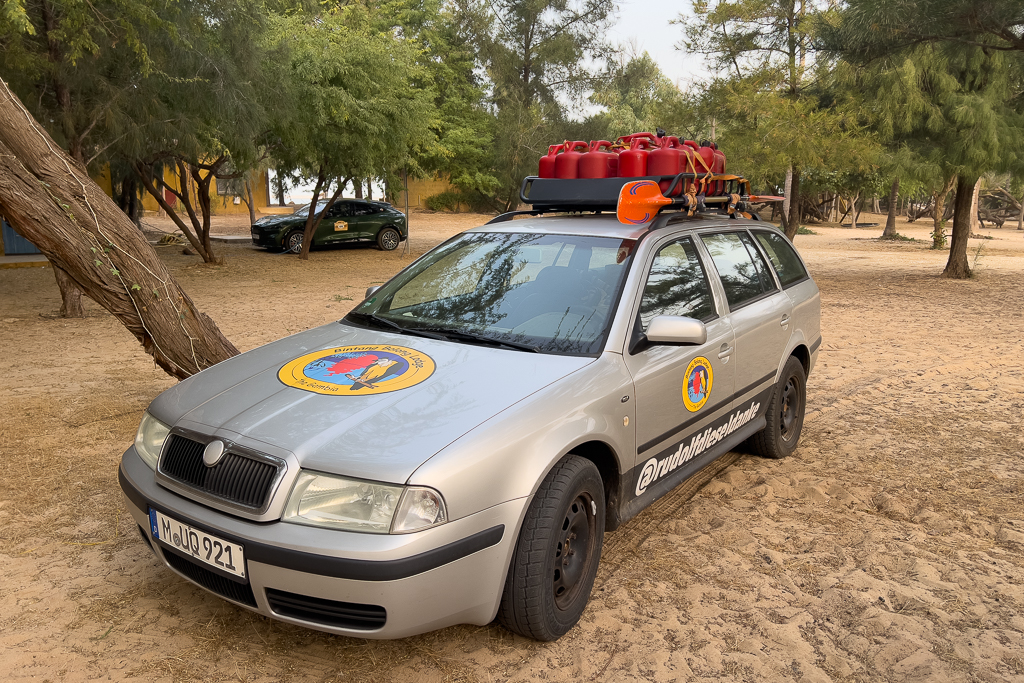
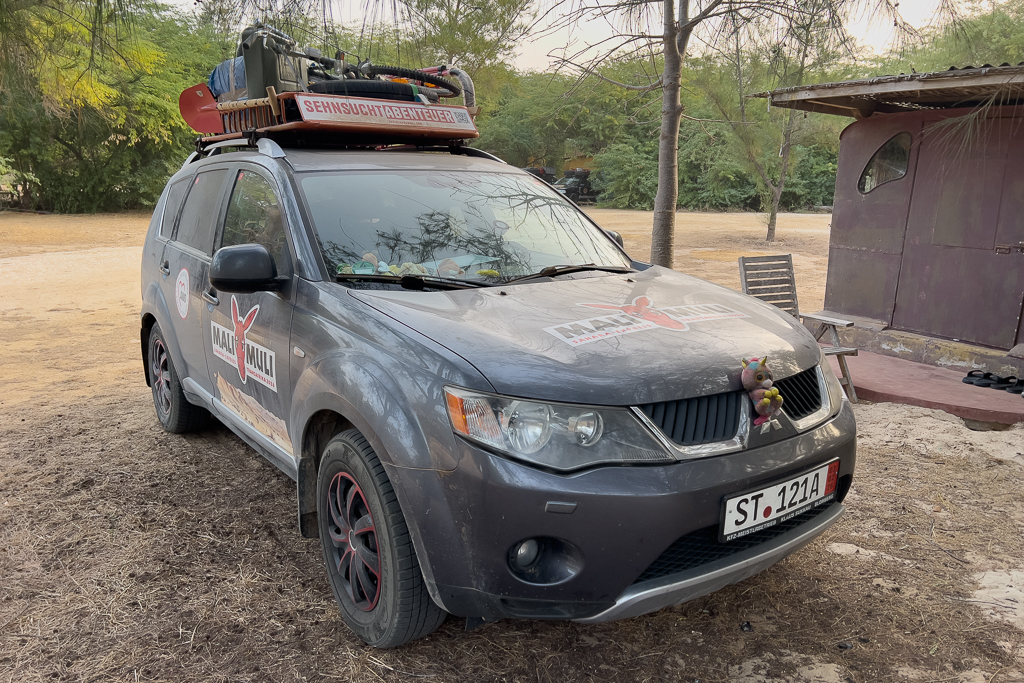
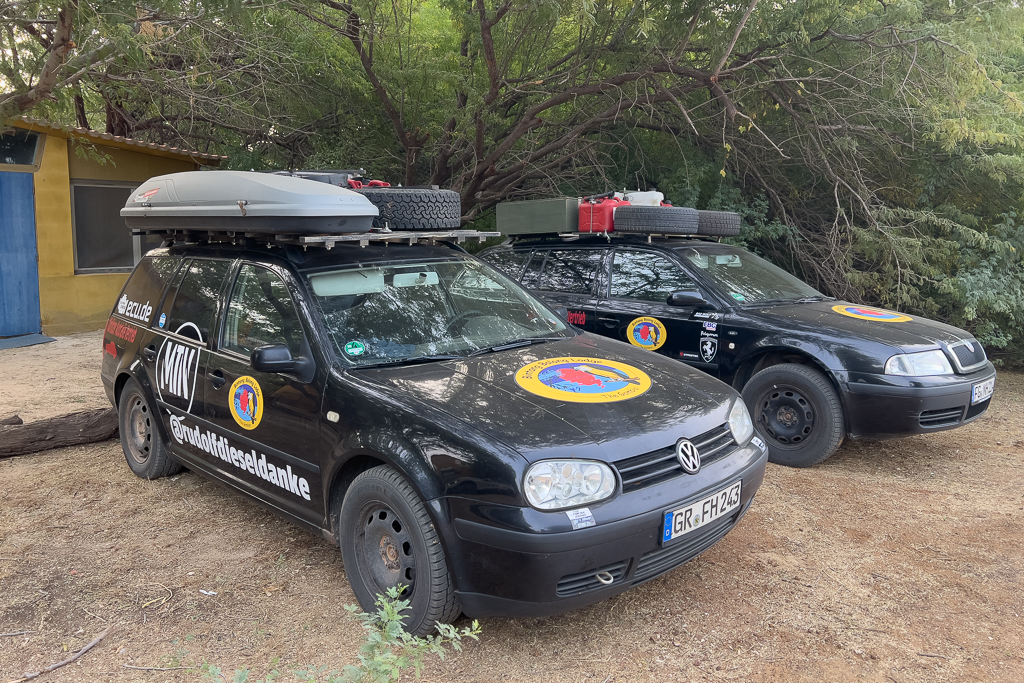
A rather unusual overland truck was the red Rotel Tours truck. They are offering group tours for people who don’t want to travel with their own cars but still want to experience the overlanding adventure. They have very small cabins inside the truck where everybody sleeps. Cooking and dishwashing are done together. They either wild camp with the truck or stay in campgrounds.
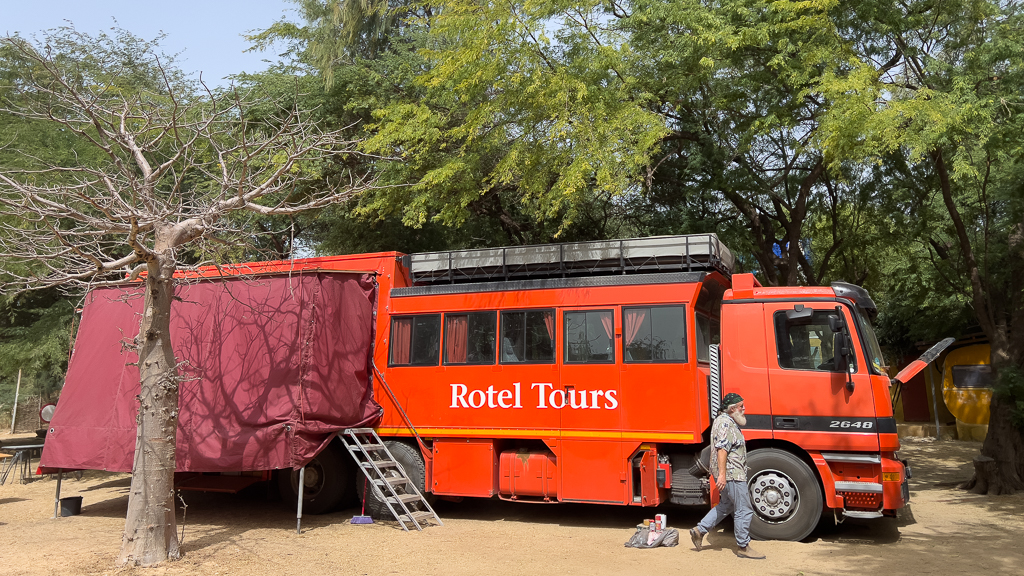
I know Rotel Tours quite well, because my dad did a tour with them through Patagonia many years ago. In addition, I had a bad experience with a Rotel Tours truck in the Torres del Paine NP in Chile (you can read the story here).
The Zebrabar camp is a lovely place with a very relaxing vibe.
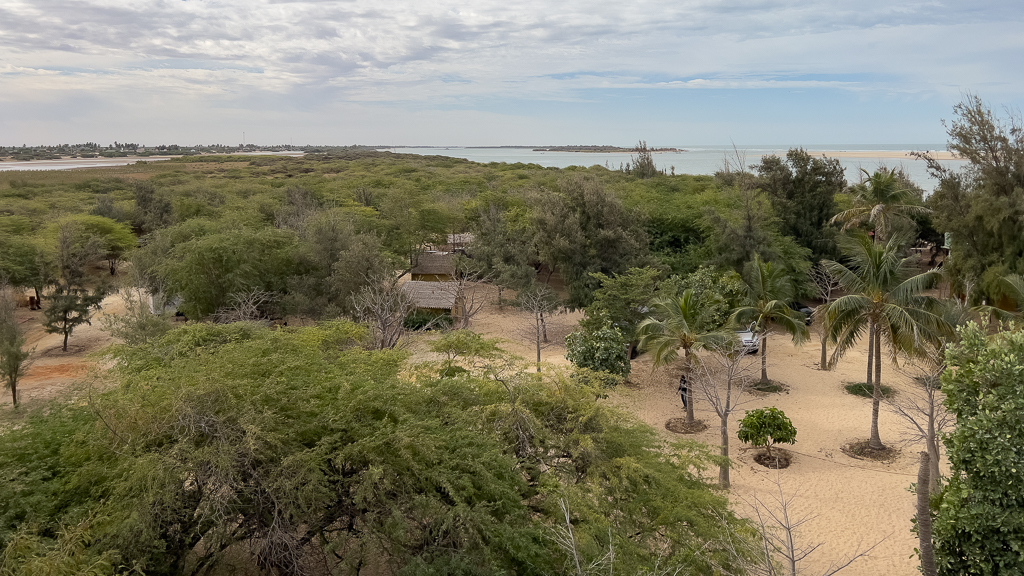
It is located in a small national park next to the sea.
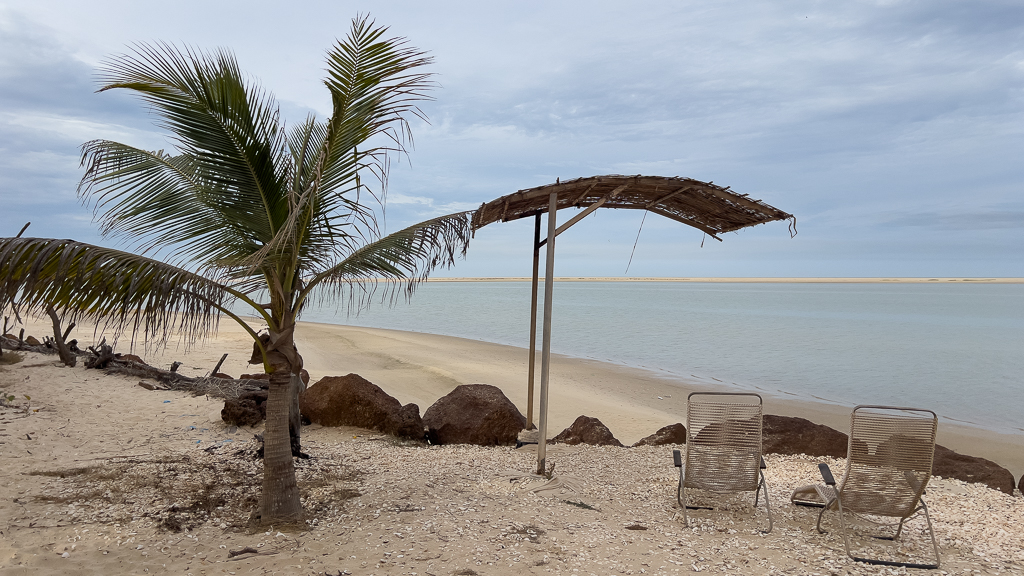
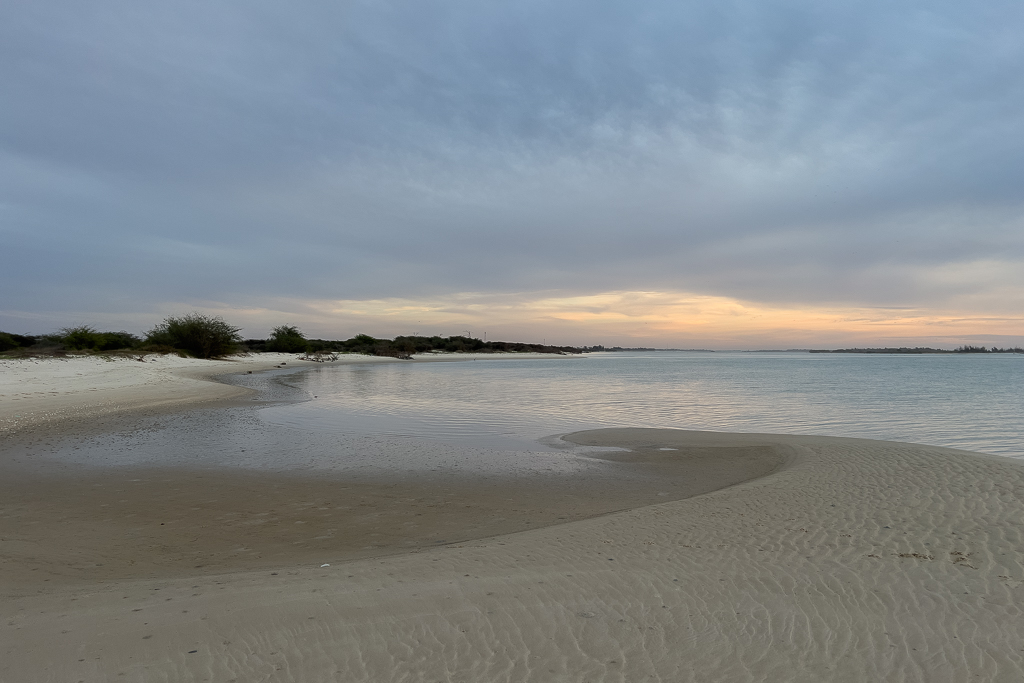
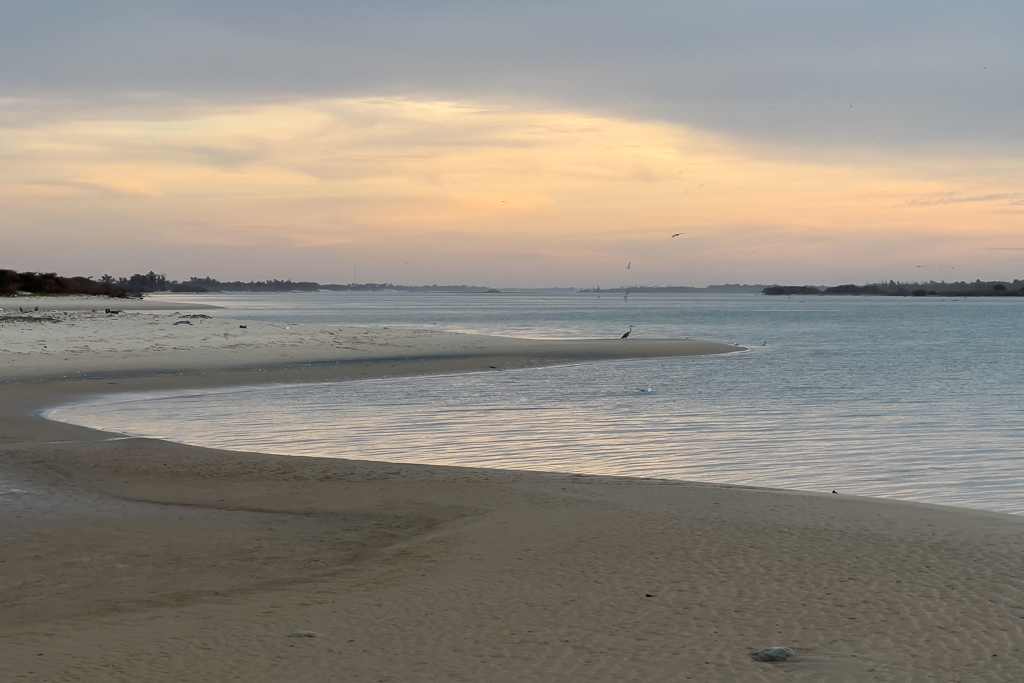
Everything is properly designed and lovingly decorated.
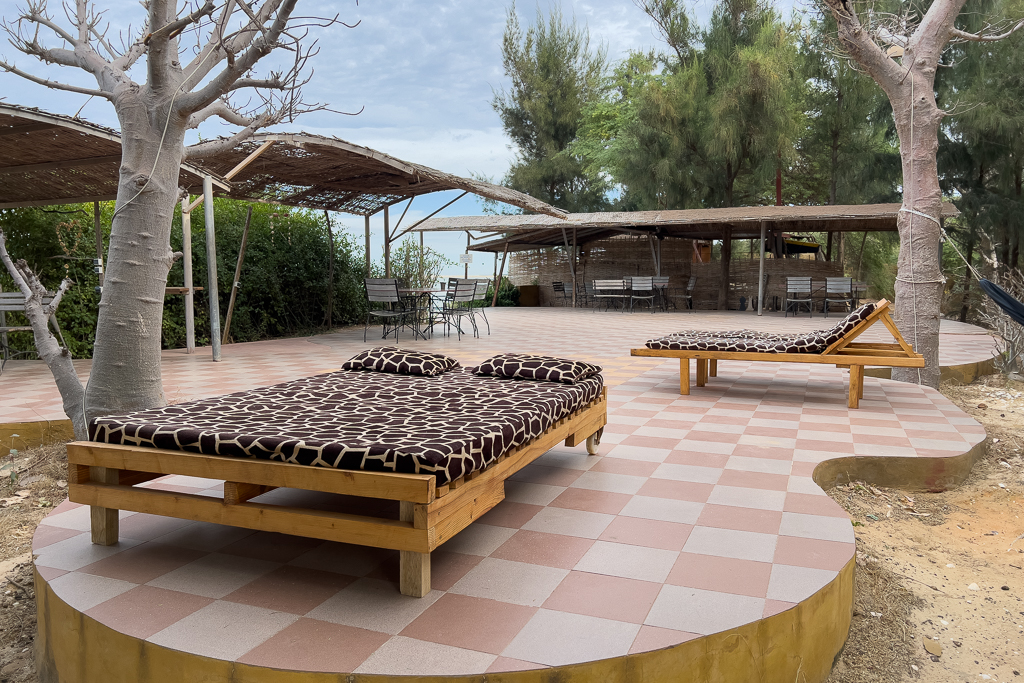
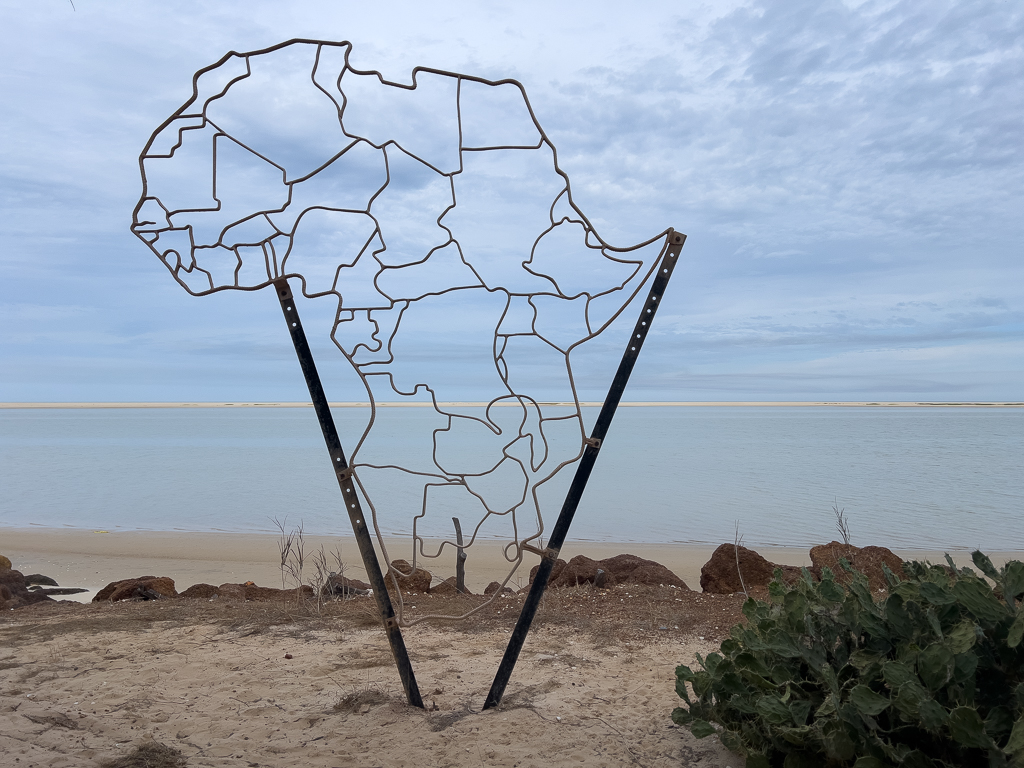
There is also a bar and restaurant in the camp. The food is ok, but they are offering mostly European-style dishes. Maybe that’s what many overlanders want once in a while, away from home. But I would strongly prefer to try out some typical African meals instead.
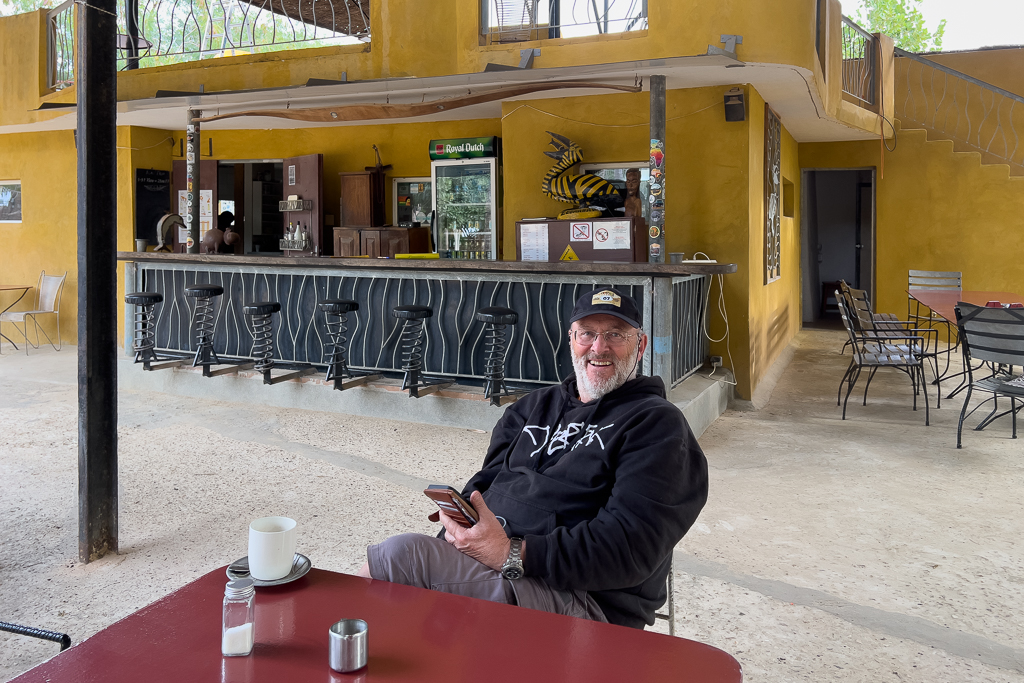
And to be clear, the prices in the camp for food and drinks are also at a European level (for example, a cappuccino costs 3,5€). But the standard of the camp is also very high.
There is a lot of wildlife in the camp. All kinds of different birds can be found, as well as monkeys.
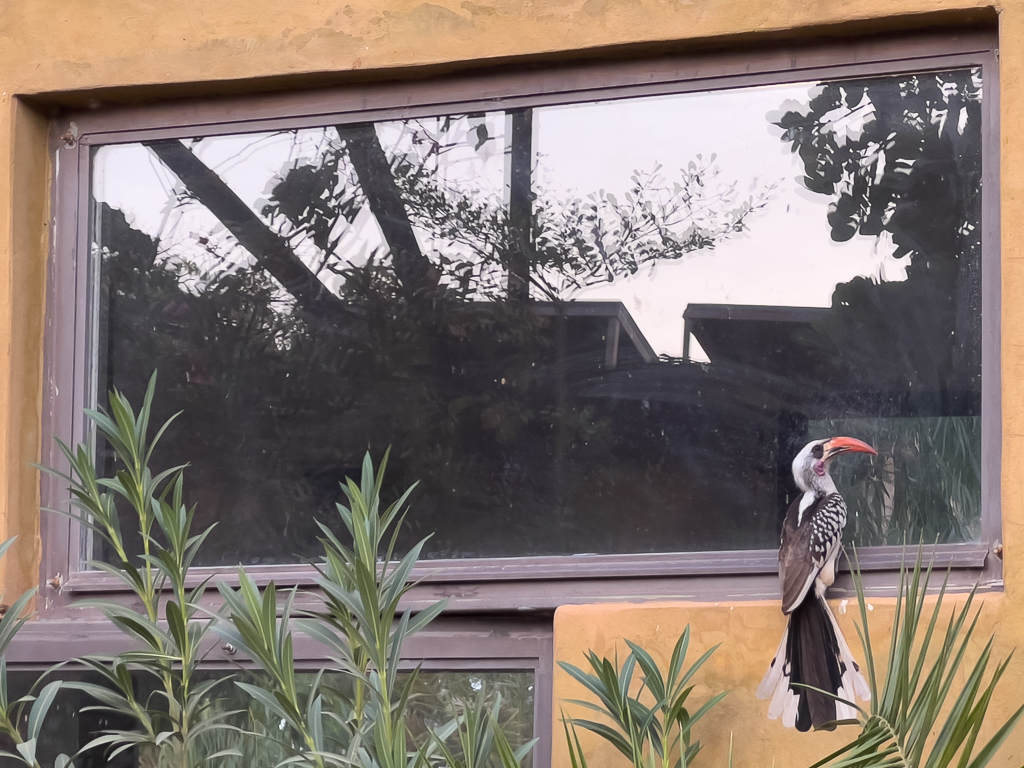
One crazy bird was knocking the whole day on the window of the restaurant.
The owner of the Zebrabar is Martin (left in the picture below). He is originally from Switzerland but has lived for decades in Africa and manages the camp in a very organized Swiss way.
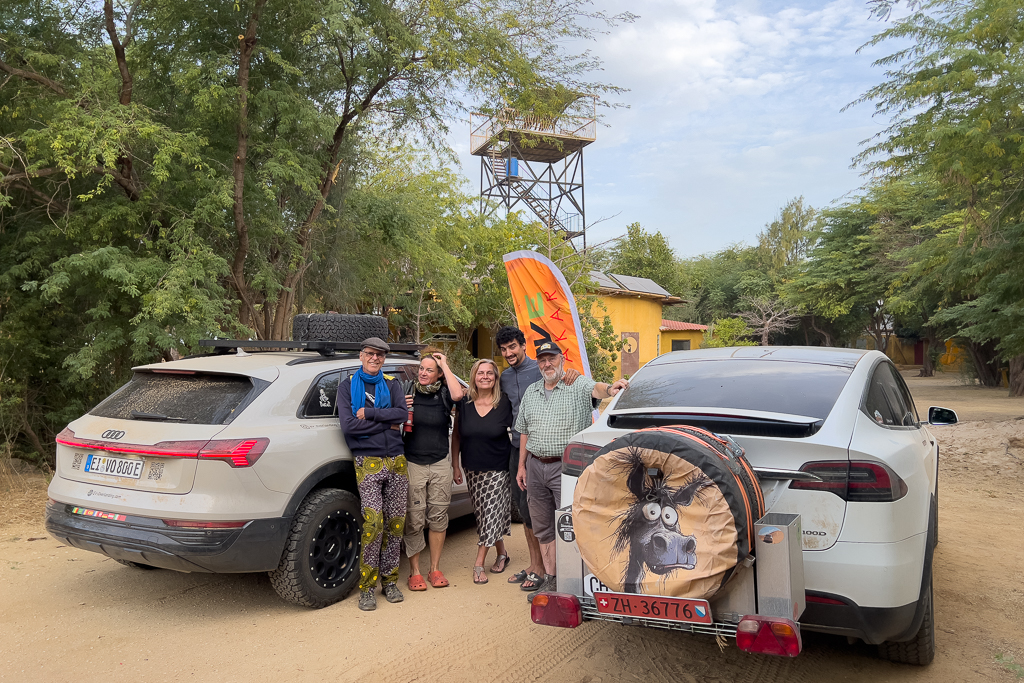
He helped us also to extend our Passavants without going to Dakar. In case you also need this, it’s best to talk directly to Martin about the options. We were happy with his support. It worked very well.
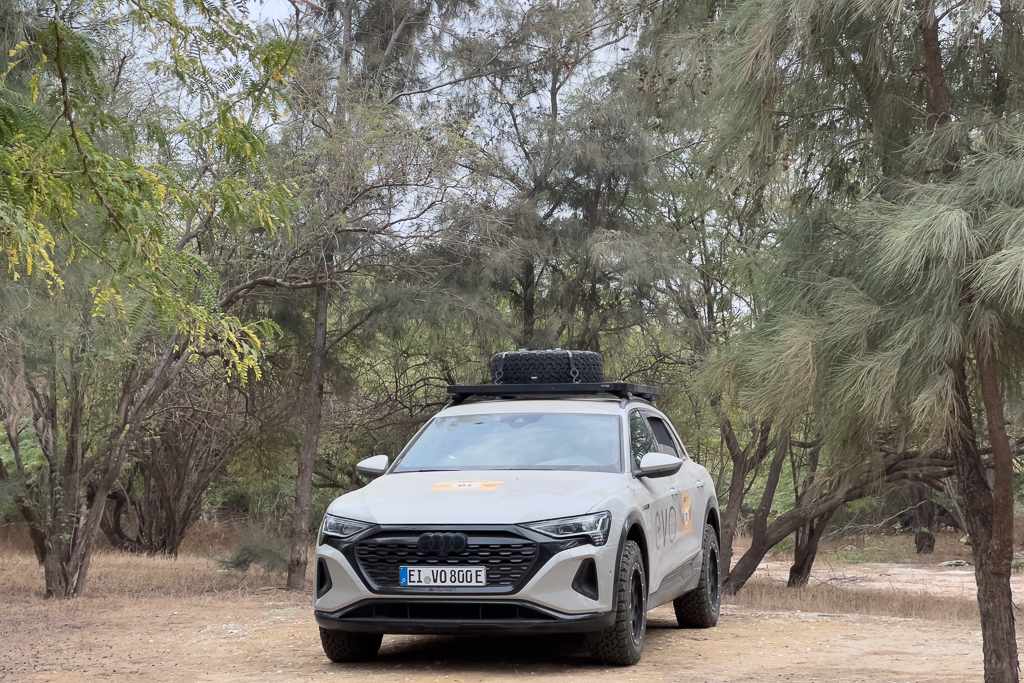
Hans, Silvia, and I slept in our cars at the Zebrabar campsite.
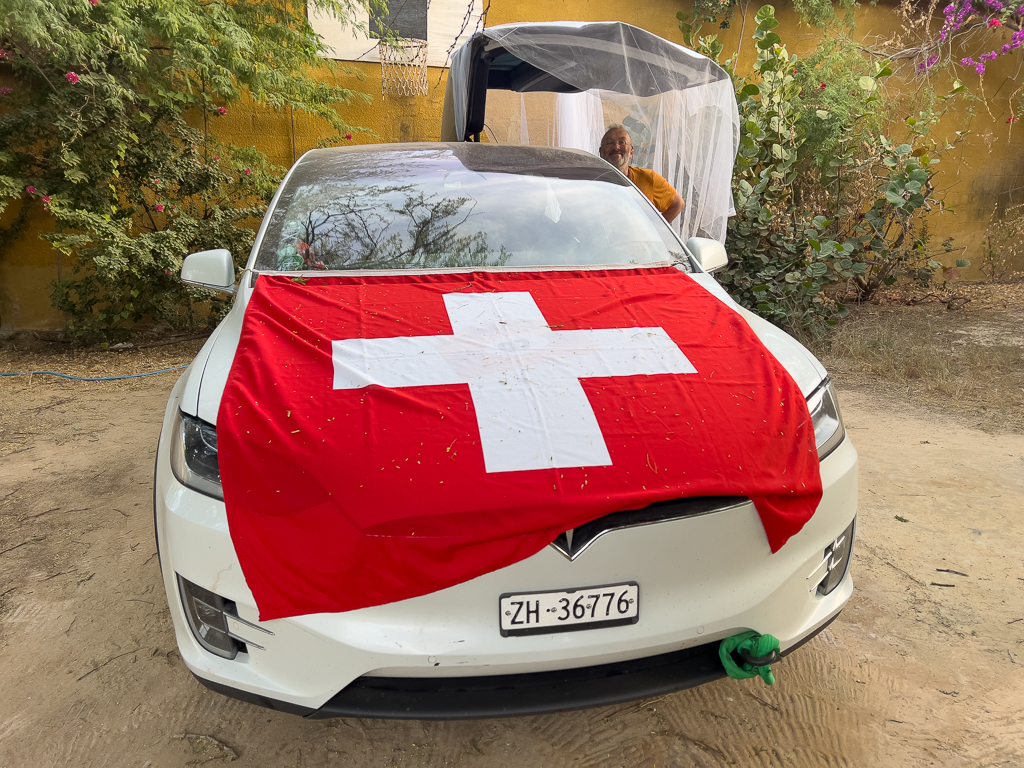
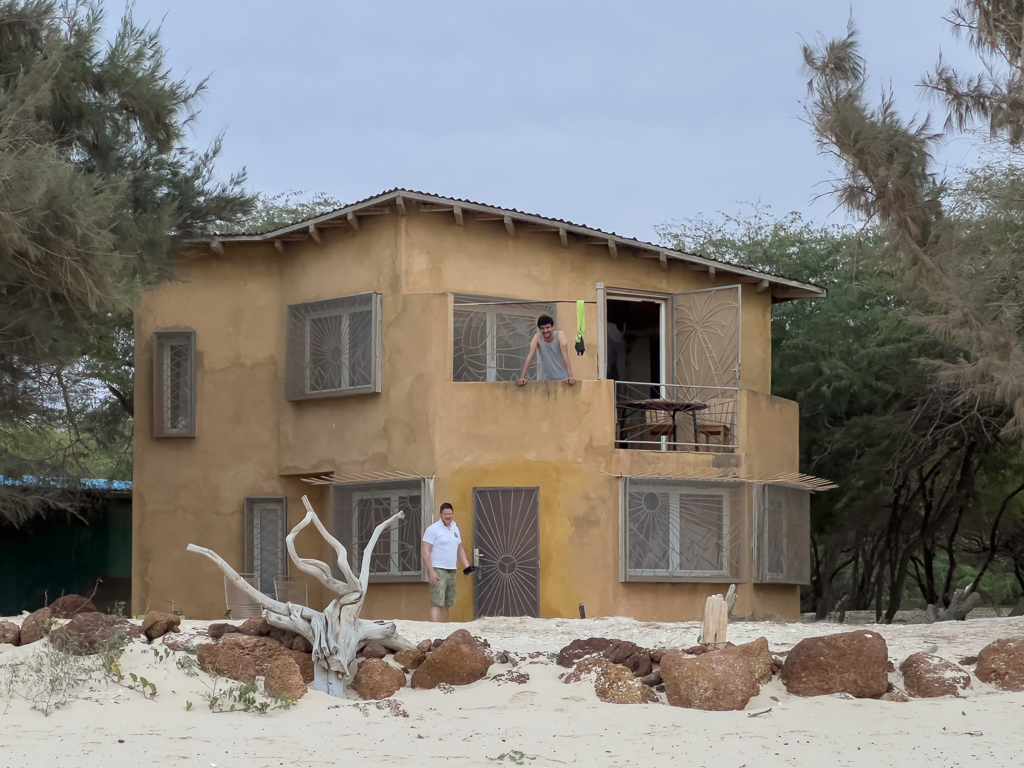
While Doris, Thomas, and Ayoub rented a cottage.
Charging at the Zebrabar was a bit challenging. Most of the cables and connectors on the camp were not suitable for high power demand. I had to reduce the load on my Juice Booster to 6A to not risk any problems with the infrastructure at the camp. But this means I needed 60 hours to charge my car to 100%. Since we needed to wait 3-4 days for the Passavant extension anyway, this wasn’t a big deal.
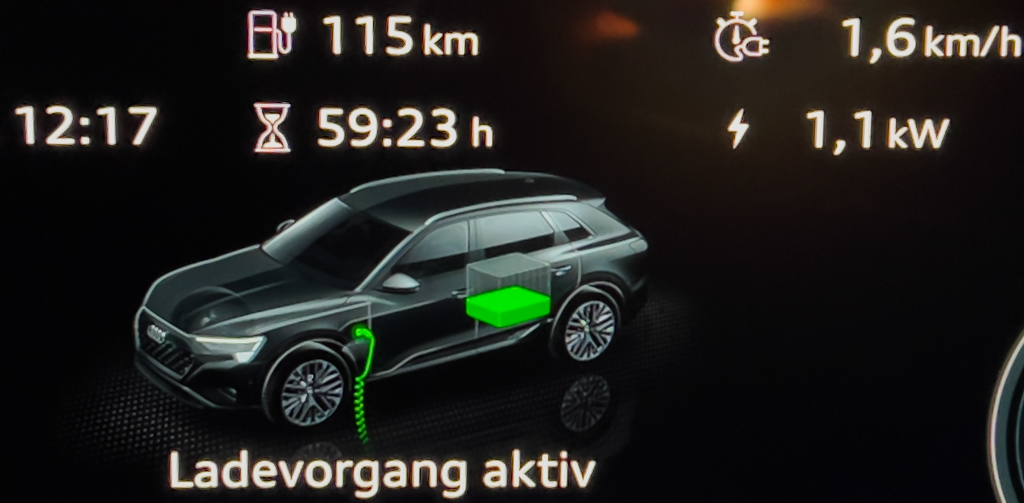
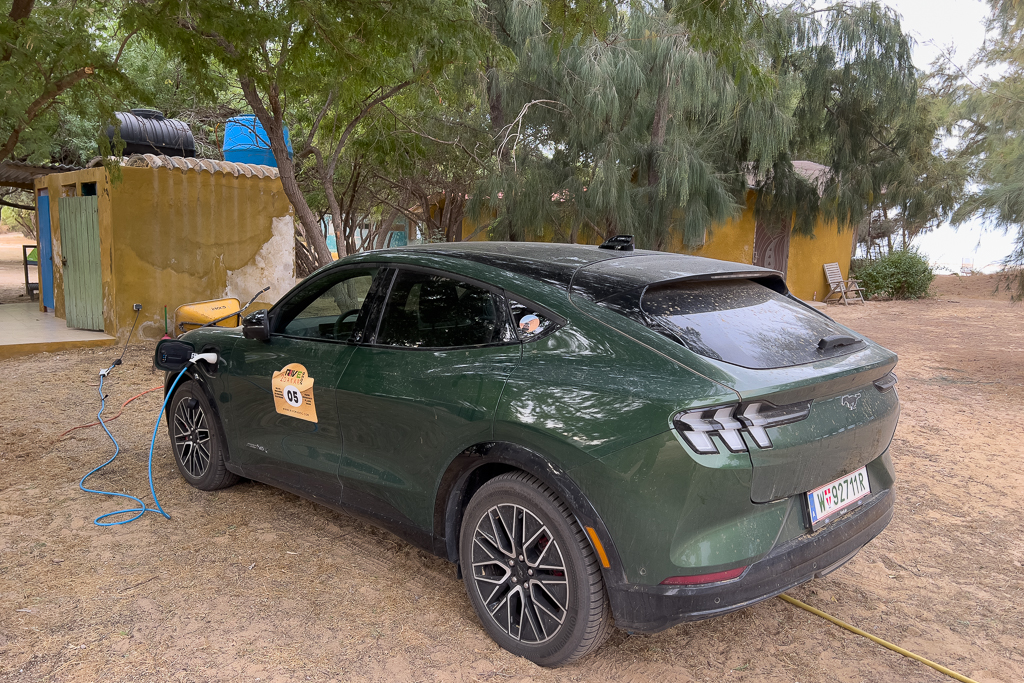
At least we were able to charge all cars at the same time using different connectors.
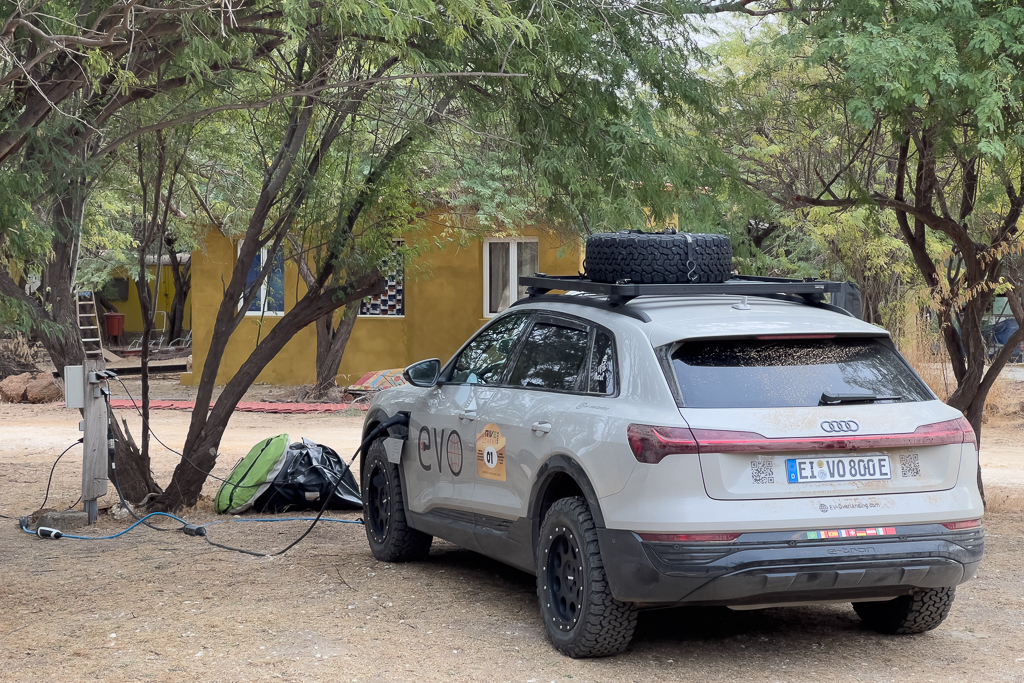
In the meantime, I added the Senegal flag to my car.
We also got in contact with Thomas, a German overlander driving a Unimog. He had some problems with his front axle gear and was waiting for spare parts to arrive.
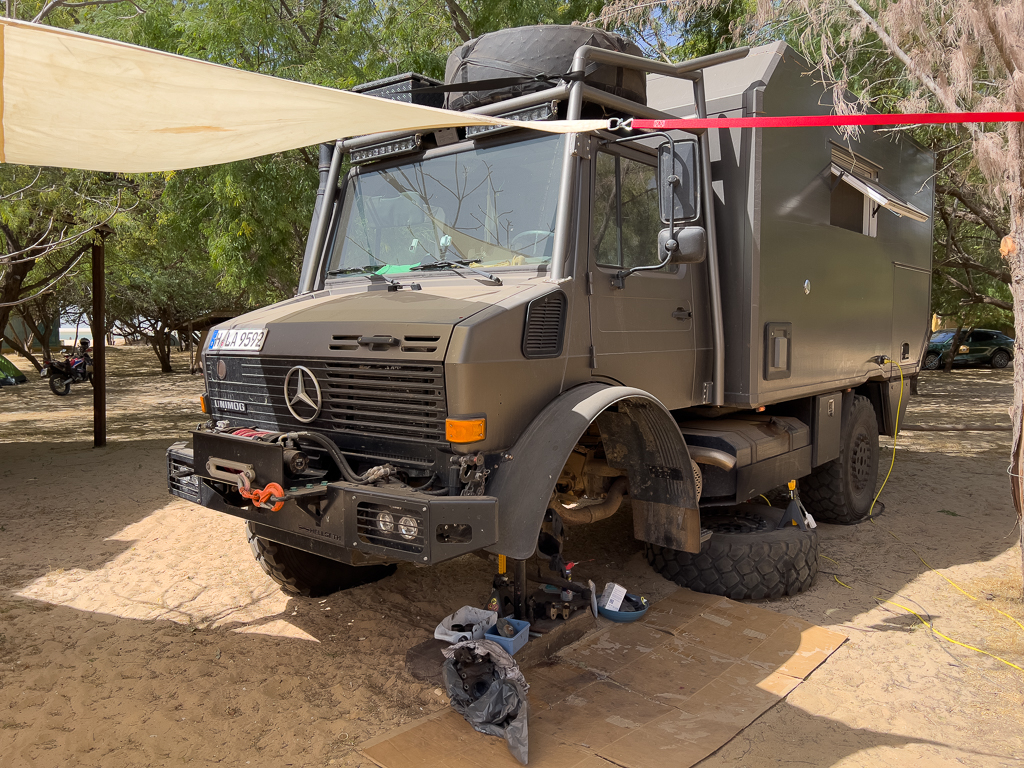
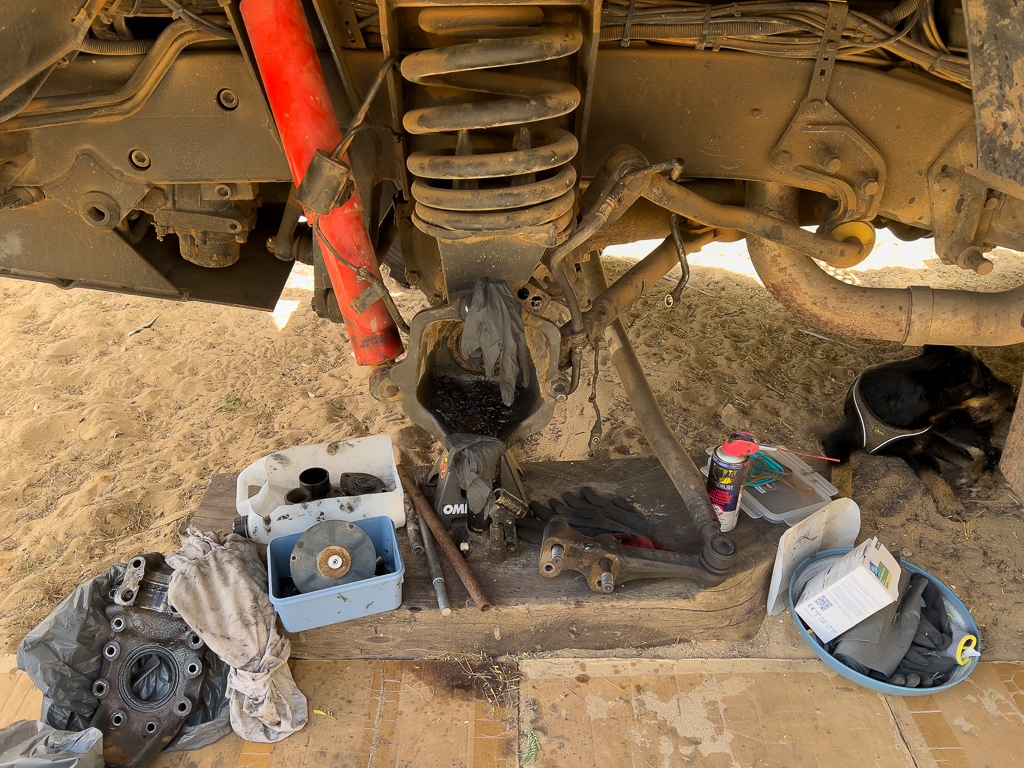
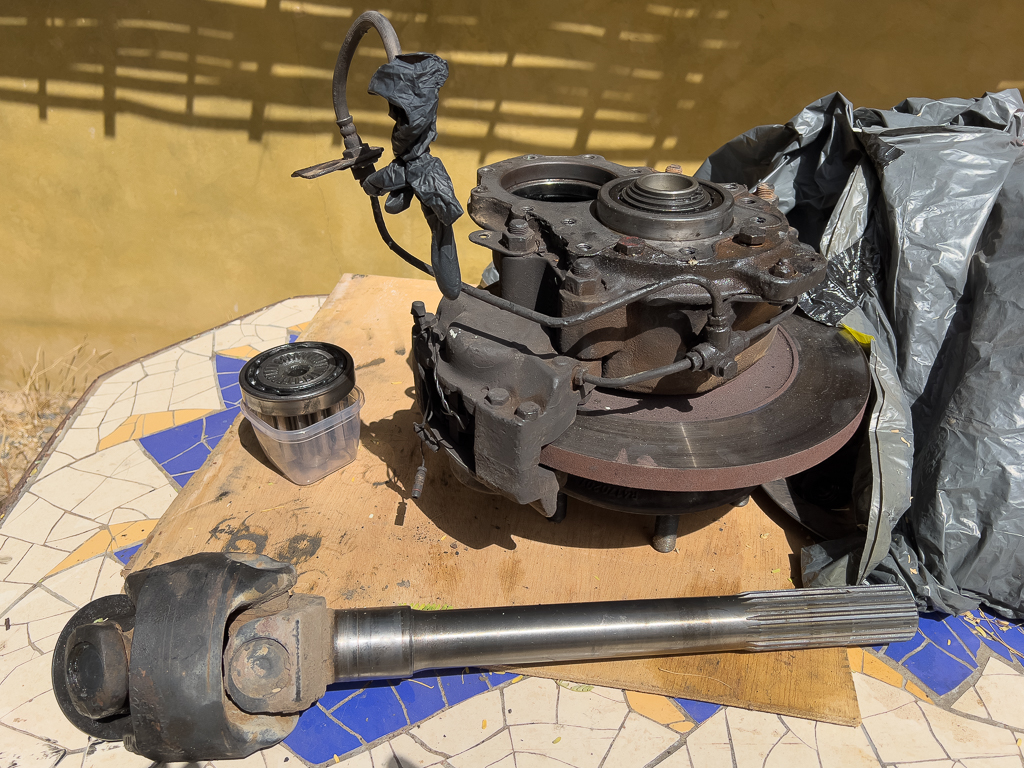
Since he has lots of experience in this part of Africa, he gave me some good advice for our next destinations.
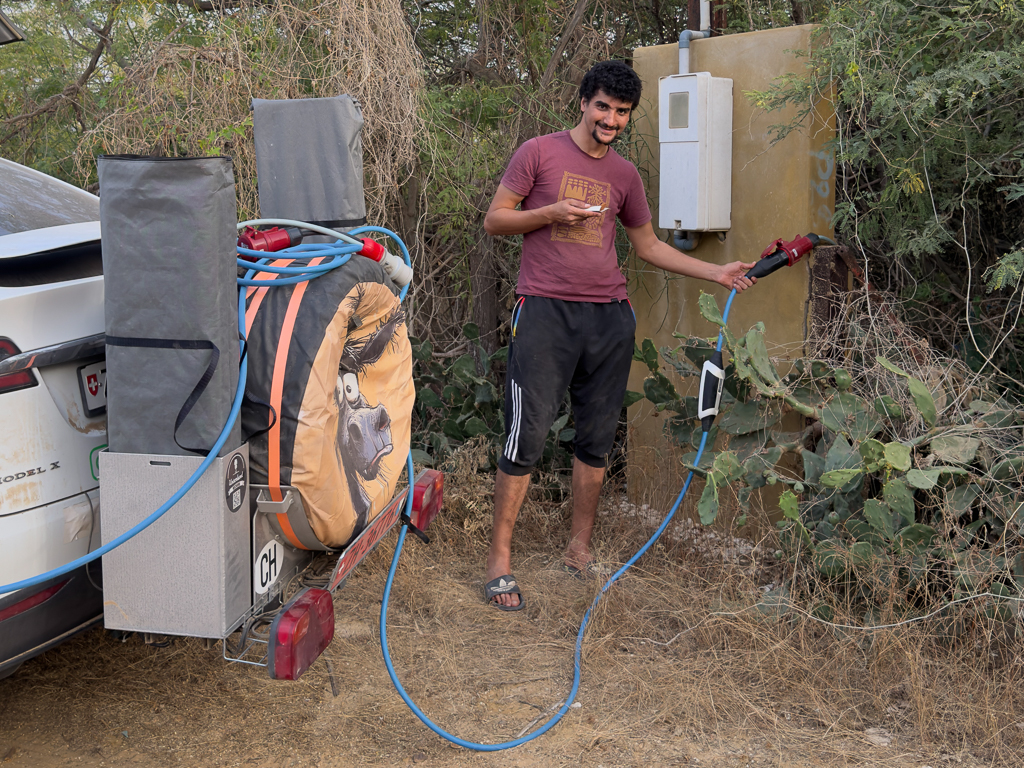
Since we didn’t want to charge again for 60 hours on our way back to Europe, Ayoub was looking for a different charging solution at the camp. He installed a CEE 32A plug just outside of the camp, directly at the power distributor, for much faster charging. We added this spot on PlugShare and plan to use it on our way back.
 EV Overlanding